DIY appliance repair can save you money, but it also carries real risks if you don’t take proper safety precautions. Every year, homeowners are injured by electrical shock, burns, cuts, and even flooding from appliance repair attempts that went wrong. Most of these accidents are preventable with the right knowledge and preparation.
This guide covers the essential safety warnings every homeowner should know before attempting any appliance repair — from basic electrical safety to appliance-specific hazards. Whether you’re replacing a dryer belt or clearing a dishwasher drain, these rules apply.
The Golden Rule: Disconnect Power First
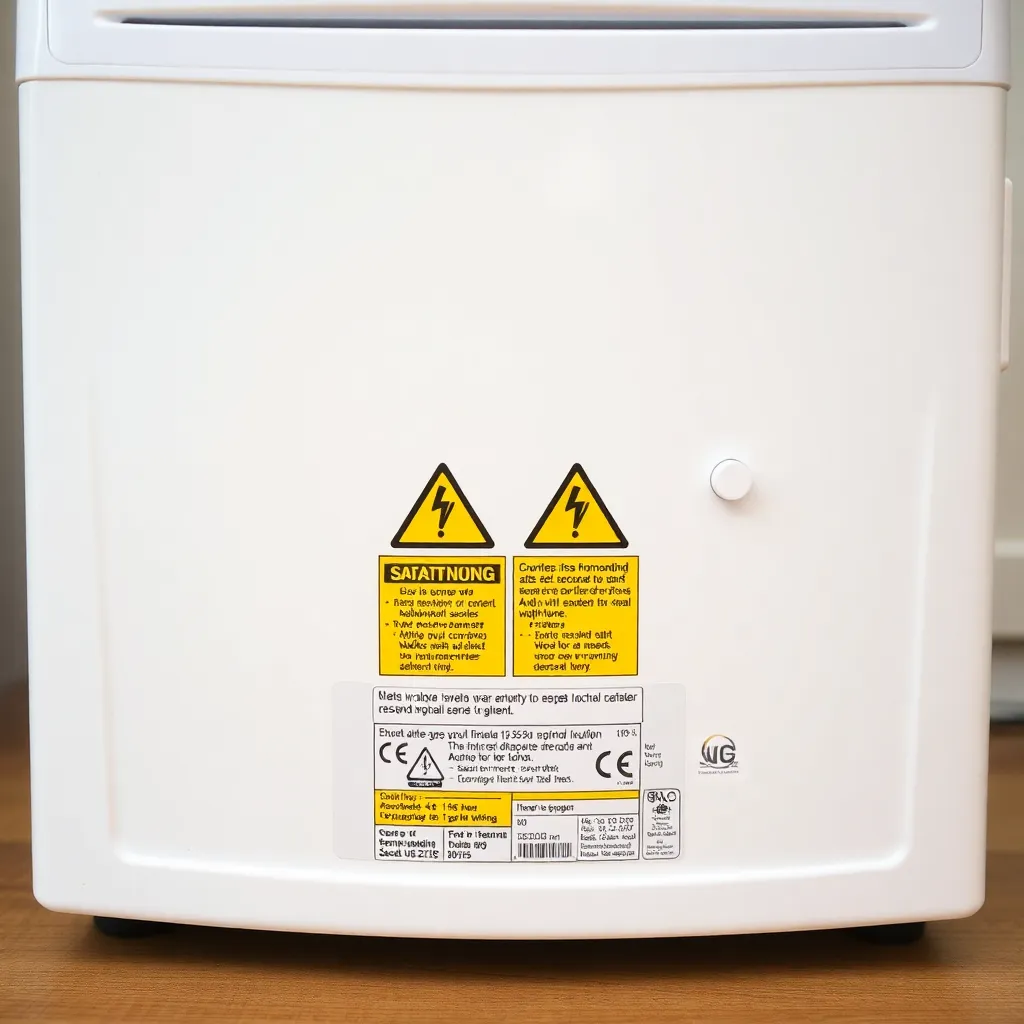
Before you touch any internal component of any appliance, disconnect it from its power source. This means unplugging the power cord from the wall outlet or, if the plug is inaccessible, turning off the circuit breaker for that appliance at your electrical panel. Never assume an appliance is safe to work on just because it’s “turned off” — the control board may still be energized.
Verify that power is disconnected by checking that all display lights are off and the machine doesn’t respond to button presses. If you have a multimeter (and you should if you’re doing electrical work), test the outlet or the appliance’s power terminals to confirm zero voltage.
Water and Electricity: A Dangerous Combination
Washing machines, dishwashers, and refrigerators all involve water. When combined with electricity, water creates a life-threatening shock hazard. Before working on any water-connected appliance, turn off the water supply valves in addition to disconnecting power. Have towels ready to absorb residual water, and never stand in water while working on an appliance.
Capacitors: Hidden Stored Energy
Some appliance components — particularly motor start capacitors — store electrical energy even after the appliance is unplugged. A charged capacitor can deliver a painful or dangerous shock. If you’re working near a motor (common in washers, dryers, and refrigerators), be aware of capacitors and learn how to safely discharge them before handling. When in doubt, leave capacitor-adjacent work to a professional.
Sharp Edges and Heavy Components
The interior of appliances is full of sharp metal edges, thin sheet metal panels, and heavy components. Wear work gloves when reaching inside any appliance. When removing heavy components like dryer drums or washer tubs, get a helper — trying to lift these alone risks back injury and dropped components that can damage the machine or hurt you.
Appliance-Specific Safety Warnings
Refrigerators
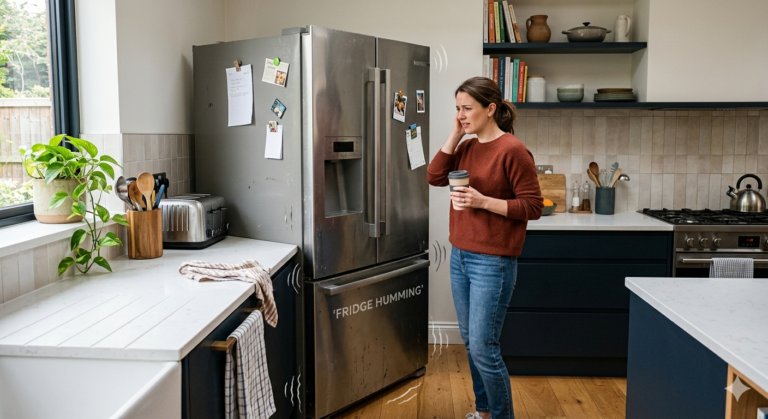
- Never use sharp tools to chip ice from the freezer — you can puncture the evaporator coils, releasing refrigerant.
- Refrigerant (typically R-134a or R-600a) can be harmful if inhaled and is an environmental hazard. Never attempt to repair the sealed refrigerant system yourself.
- Refrigerators are heavy (90-140 kg). Use proper technique and helpers when moving them.
Washing Machines
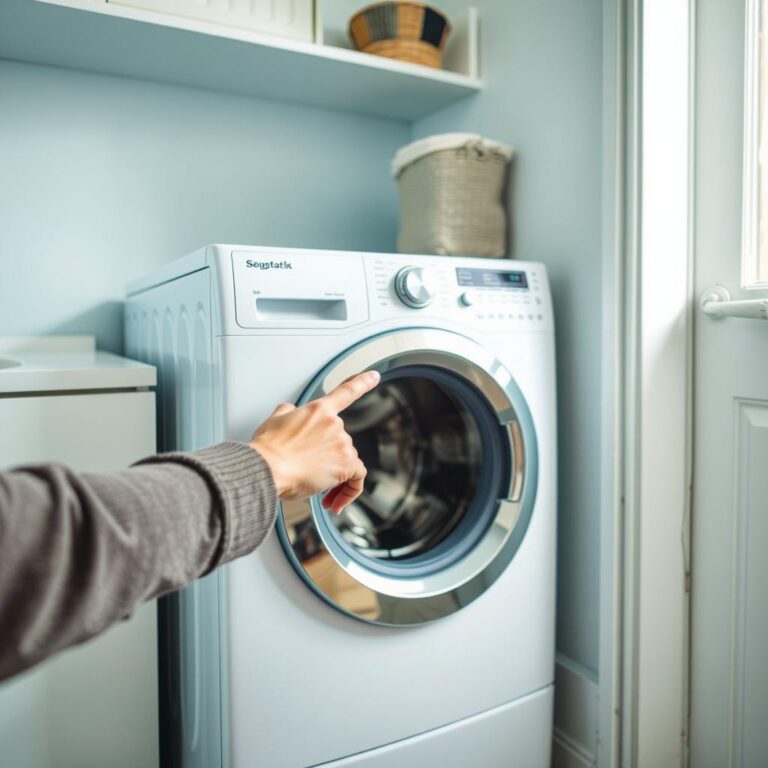
- Water supply hoses are under pressure. Turn off both hot and cold valves before disconnecting hoses, and have a bucket and towels ready for residual water.
- Front-load door springs and counterweights are under tension. Exercise caution when removing the front panel.
- The door lock mechanism is energized during cycles. Never try to force open a locked door.
Dryers
- Dryers operate on 240V circuits (electric) — double the voltage of standard outlets. This significantly increases the shock risk.
- Lint is highly flammable. When working inside a dryer, clean up all lint accumulation before reconnecting power.
- The drive belt is under tension from the idler pulley. When releasing the belt, maintain control to prevent the spring-loaded pulley from snapping back.
For dryer safety, review our 5 dryer maintenance tips to prevent fires.
Dishwashers
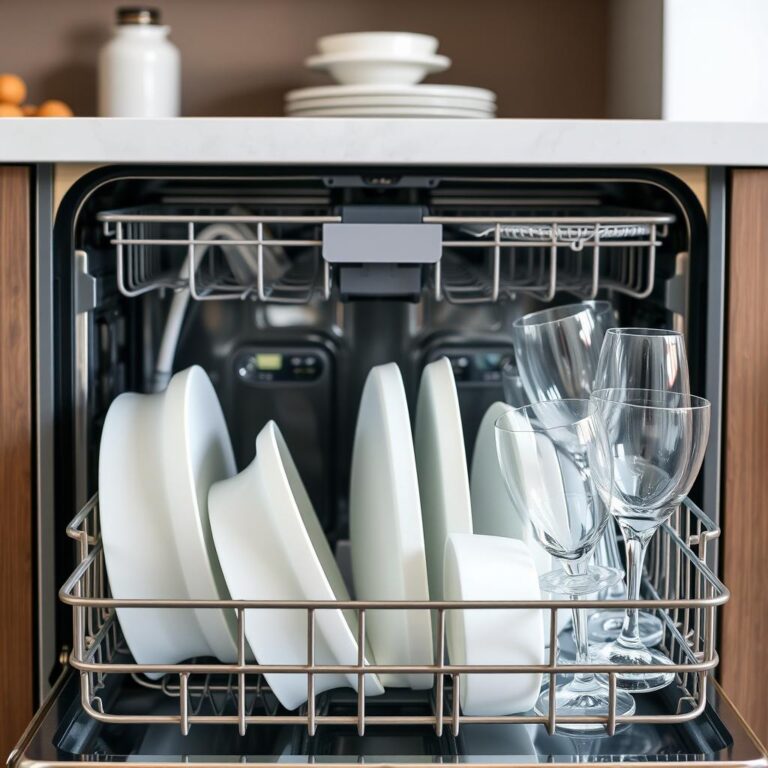
- Dishwashers are hard-wired in some installations. Ensure the breaker is off, not just the appliance’s power button.
- Broken glass can accumulate in the filter and drain area. Check carefully and use gloves when cleaning these areas.
- The heating element at the bottom of the tub retains heat long after a cycle ends. Let the machine cool before working inside.
Ovens and Ranges
- Electric ovens may operate on 240V circuits. Always disconnect at the breaker.
- Oven heating elements can retain heat for a long time after the oven is turned off.
- The self-clean cycle heats the oven to extreme temperatures (up to 500°C/900°F). Never attempt to open the oven during or immediately after self-cleaning.
Never Bypass Safety Devices
Appliances contain safety devices for a reason — door switches prevent washers from running with the door open, thermal fuses cut power if dryers overheat, and pressure switches prevent washers from overfilling. Never jumper, bypass, or remove these devices as a “repair.” Doing so creates fire, flooding, and injury risks that far exceed the cost of proper repair.
Know Your Limits
There’s a meaningful difference between maintenance tasks (cleaning filters, replacing light bulbs, checking hoses) and repairs that involve electrical components, sealed systems, or heavy disassembly. Be honest with yourself about your skill level. There’s no shame in recognizing when a job is beyond your comfort zone — in fact, it’s the smartest safety decision you can make.
Professional appliance repair technicians like those at Tech Angels have the training, tools, and insurance to handle repairs safely. Call (604) 265-3565 for service across the Greater Vancouver area. Your safety is worth more than any repair bill.
Essential Safety Equipment for DIY Repairs
- Work gloves: Protect against sharp edges and pinch points.
- Safety glasses: Protect eyes from springs, clips, and debris.
- Multimeter: Verify that power is disconnected before touching electrical components.
- Non-contact voltage tester: Quick way to check for live wires without making contact.
- Closed-toe shoes: Protect feet from dropped components and standing water.
- Flashlight or headlamp: Good visibility prevents mistakes and missed hazards.
Final Thoughts
DIY appliance repair can be safe and rewarding when approached with proper knowledge and respect for the hazards involved. Always disconnect power, turn off water, use appropriate safety equipment, and never bypass safety devices. When a repair involves high voltage, sealed systems, or heavy components, calling a professional isn’t giving up — it’s making the smartest choice for your safety and your family’s wellbeing.
Learn more about how appliance repair enhances home safety.