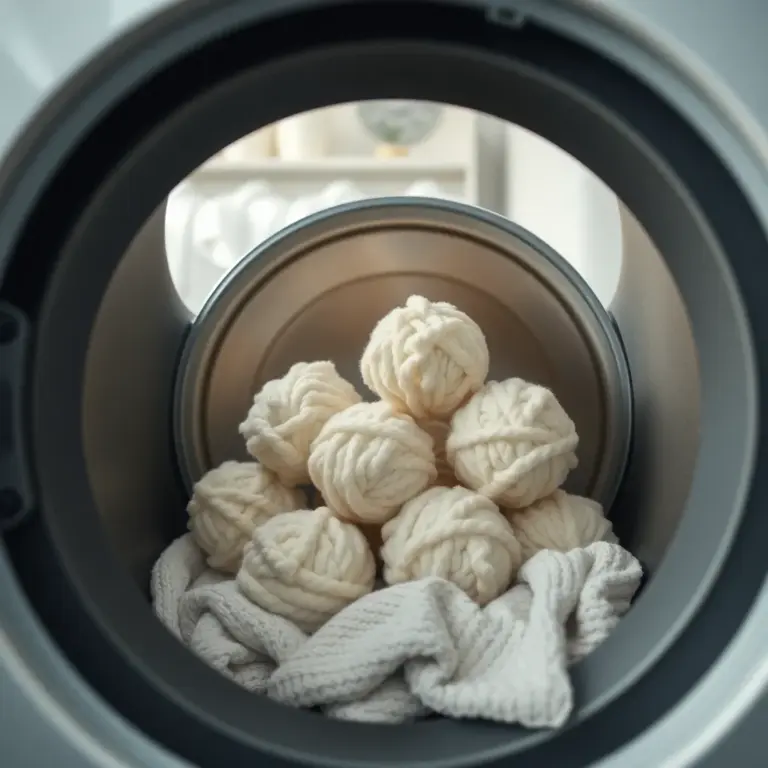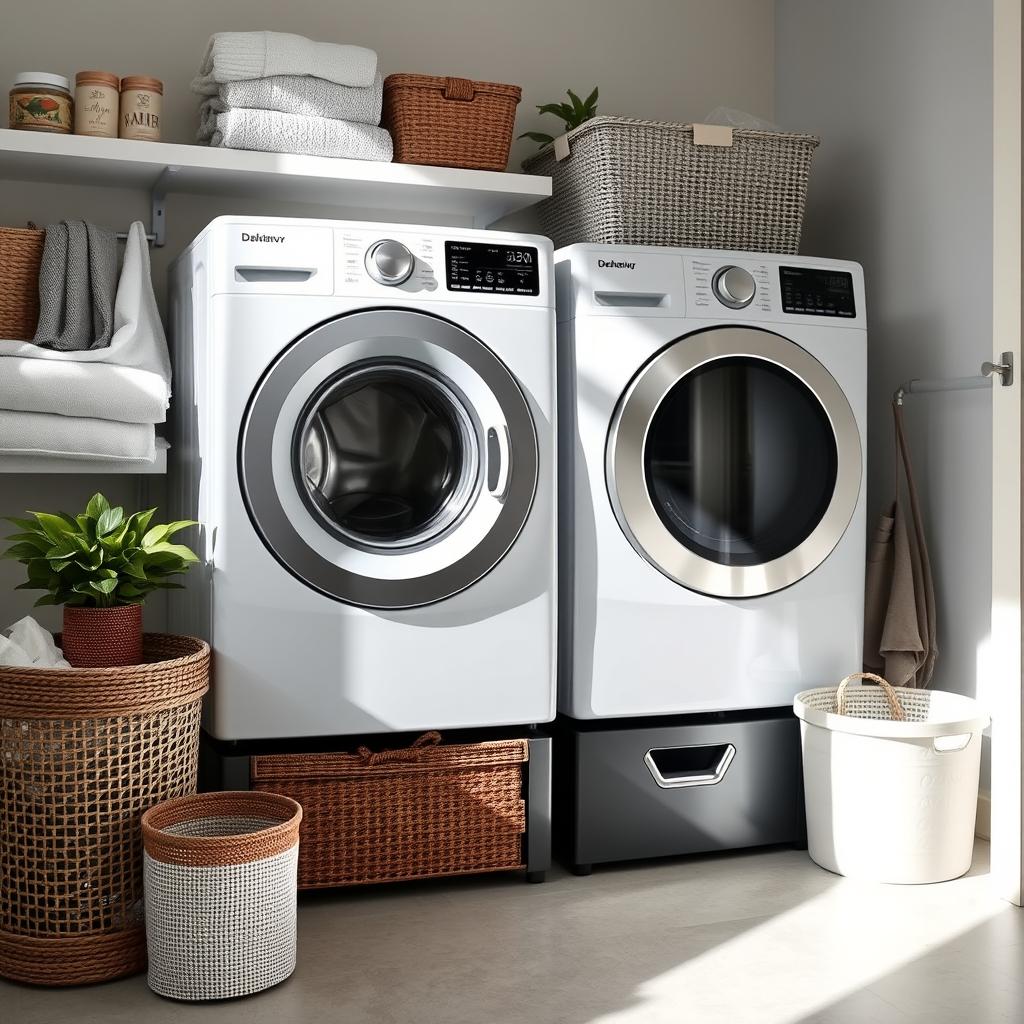
Front-load washing machines have become the go-to choice for many Canadian households, and for good reason. They’re more water-efficient, gentler on clothes, and generally deliver a better clean than their top-load counterparts. But they also come with a higher price tag — so it’s natural to wonder: how long should your front-load washer actually last?
The answer depends on several factors, from the brand and model you choose to how well you maintain it over the years. In this comprehensive guide, we’ll cover the average lifespan of a front-load washer, the factors that influence how long it lasts, warning signs that the end is near, and practical tips to squeeze every possible year out of your investment.
Average Lifespan of a Front-Load Washing Machine
Most front-load washing machines are designed to last between 10 and 15 years with proper care. Some premium brands and well-maintained units can push past 15 years, while budget models that are heavily used may start showing serious wear after just 7 or 8 years.
Here’s a rough breakdown by usage level:
- Light use (3-5 loads per week): 12-15+ years
- Moderate use (5-8 loads per week): 10-13 years
- Heavy use (8+ loads per week): 7-10 years
These are averages, of course. A machine that’s abused and neglected might not make it to 7 years, while one that’s lovingly maintained could easily reach 15 or even 20 years. The key variable in all of this is you — and how well you take care of your washer.
Factors That Affect Front-Load Washer Lifespan
Understanding what wears out a washing machine helps you take targeted action to extend its life. Here are the biggest factors:
Build Quality and Brand
Not all washing machines are created equal. Commercial-grade components, stainless steel drums, direct-drive motors, and higher-quality bearings all contribute to longevity. European brands like Bosch and Miele are often praised for durability, while some budget-friendly models may use less robust components that wear faster.
That said, brand alone isn’t a guarantee. Even the most reputable manufacturer can produce the occasional lemon, and even budget brands can last well if maintained properly. When shopping, look for models with good long-term reliability ratings from consumer testing organizations.
Load Size and Frequency
Every wash cycle puts wear on the motor, bearings, drum, door seal, pump, and suspension system. The more cycles your machine runs, the faster these components age. Consistently overloading the washer accelerates this wear significantly — the drum and bearings are supporting much more weight during high-speed spin cycles than they were designed for.
On the flip side, running very small loads wastes water and energy without significantly extending the machine’s life. The sweet spot is running full (but not overstuffed) loads at a frequency that matches your household’s actual needs.
Water Quality
If you live in an area with hard water — and many parts of the Greater Vancouver area have varying levels of water hardness — mineral deposits can build up inside your washer. These deposits accumulate in the pump, hoses, inlet valves, and on the drum itself, gradually reducing efficiency and contributing to component failure.
Hard water also interacts with detergent less efficiently, meaning you may be tempted to use more soap — which creates excess suds and residue that further stress the machine. If you know you have hard water, consider installing a water softener or using a washing machine cleaner designed to dissolve mineral buildup.
Detergent Type and Amount
Front-load washers require high-efficiency (HE) detergent — period. These machines use significantly less water than top-loaders, and regular detergent creates excessive suds that can overflow, damage the control board, leave residue on clothes and inside the drum, and promote mold growth.
Even with HE detergent, using too much is one of the most common mistakes homeowners make. The recommended amount for most loads is surprisingly small — usually just one to two tablespoons. More detergent doesn’t mean cleaner clothes. It means more residue, more odor, and more stress on the pump and drain system.
Maintenance Habits
This is the single biggest factor in determining whether your washer lasts 8 years or 15. Regular maintenance addresses the gradual buildup of problems before they become critical. We’ll cover specific maintenance tips in detail below.
Common Front-Load Washer Problems as They Age
As your washer gets older, certain components are more likely to give out first. Knowing what to watch for can help you catch problems early and extend the machine’s useful life.
Drum Bearings
The drum bearings support the weight of the drum and everything inside it during high-speed spin cycles. Over years of use, these bearings gradually wear out, becoming noisy and less effective. The telltale sign is a loud rumbling or grinding noise during the spin cycle that gets progressively worse over time.
Replacing drum bearings is a labour-intensive repair (the entire drum often needs to come out), but it’s often worthwhile on a quality machine that’s otherwise in good shape. On cheaper models, the bearing replacement cost may approach the cost of a new machine.
Door Boot Seal
The rubber door seal (boot gasket) on a front-load washer is constantly exposed to water, detergent, heat, and mechanical stress from the door opening and closing. Over time, the seal can develop tears, lose flexibility, or become a breeding ground for mold and mildew.
A failing door seal leads to leaks, odor, and potentially water damage to your laundry room. The good news is that this is a relatively affordable repair that can extend your washer’s life significantly.
Drain Pump
The drain pump is responsible for pumping water out of the drum after each wash and rinse cycle. Small objects — coins, hair clips, buttons — can get past the filter and damage the pump impeller. The pump motor can also burn out from age and use. Symptoms include the washer failing to drain, making a humming sound during the drain cycle, or leaving clothes excessively wet after the spin.
Control Board
The electronic control board is the brain of your washing machine. It manages everything from water temperature and drum speed to cycle timing and error code generation. Power surges, moisture infiltration, and simple component aging can all cause control board failures.
If your washer starts behaving erratically — random error codes, cycles that won’t complete, buttons that don’t respond — the control board is a likely suspect. This is a repair that requires professional diagnosis and replacement.
Shock Absorbers and Suspension Springs
Front-load washers use shock absorbers (or dampers) and suspension springs to manage the drum’s movement during spin cycles. When these components wear out, the washer vibrates excessively, walks across the floor, and produces loud banging sounds — especially during high-speed spin. Worn shocks also put extra stress on the bearings and other components.
Warning Signs Your Front-Load Washer Is Nearing the End
How do you know when your washer is on its last legs? Watch for these indicators:
- Persistent leaks that continue despite replacing the door seal or checking hoses.
- Loud grinding, banging, or screeching during spin cycles that’s getting worse over time.
- Frequent error codes that keep coming back even after repair.
- Clothes coming out still dirty or damaged despite using proper settings and detergent.
- Visible rust on the drum, cabinet, or frame.
- Repair costs approaching 50% of a new machine’s price — at this point, replacement usually makes more financial sense.
- The machine is 10+ years old and experiencing multiple issues simultaneously.
If you’re experiencing these symptoms, it might be time to weigh your repair vs. replacement options. The team at Tech Angels can provide an honest assessment and help you make the best decision for your budget and situation.
How to Maximize Your Front-Load Washer’s Lifespan
Good maintenance habits are your best investment in washer longevity. Here are the most impactful things you can do:
1. Clean the Door Seal After Every Load
This is the most important maintenance habit for front-load washer owners. After every wash, wipe down the rubber door seal — especially inside the folds — with a dry towel. This removes standing water and prevents the mold growth that front-loaders are notorious for.
2. Leave the Door Ajar Between Loads
Closing the door traps moisture inside the drum, creating a dark, damp environment that’s perfect for mold and mildew. Leave the door slightly open between loads to allow air circulation and drying. If you’re concerned about children or pets getting into the drum, even propping the door open just an inch helps significantly.
3. Run a Monthly Cleaning Cycle
Once a month, run an empty hot water cycle with either a commercial washing machine cleaner or two cups of white vinegar. This dissolves soap residue, mineral deposits, and early mold growth, keeping the drum, pump, and internal plumbing clean.
4. Use the Right Detergent in the Right Amount
Use only HE detergent, and measure it according to the manufacturer’s recommendations. For most loads, one to two tablespoons is sufficient. If you use detergent pods, one pod per load is the correct amount — never use multiple pods.
5. Don’t Overload
Fill the drum to about 75-80% capacity for optimal cleaning and minimal wear. Leave enough room for clothes to tumble freely. A good rule of thumb: you should be able to fit your hand between the top of the clothes and the top of the drum opening.
6. Check and Clean the Drain Filter Regularly
Most front-load washers have a small access panel at the bottom front that houses the drain pump filter. Open it every month or two, drain the residual water (have a shallow container and towels ready), and clean out any debris. This prevents pump clogs and keeps the drainage system working efficiently.
7. Inspect the Water Supply Hoses
Check the hot and cold water hoses behind the machine every six months for signs of cracking, bulging, or corrosion at the connections. Replace rubber hoses with braided stainless steel hoses — they’re more durable and resistant to bursting. A burst hose can flood your home with hundreds of litres of water in minutes.
8. Keep the Machine Level
An unlevel machine vibrates excessively, which wears out bearings, shock absorbers, and suspension springs faster. Use a level to check periodically, and adjust the feet as needed. Lock the feet in position with the locking nuts once they’re properly adjusted.
9. Use the Right Cycle for the Job
Not every load needs a heavy-duty cycle with a maximum-speed spin. Using gentler cycles when appropriate reduces wear on every moving component. Save the heavy-duty cycle for truly heavy or soiled loads, and use the regular or delicate cycle for everyday laundry.
10. Address Problems Promptly
When you notice something off — an unusual sound, a longer-than-normal cycle, an error code, a small leak — address it immediately. Small problems are almost always cheaper and easier to fix than the larger problems they evolve into if ignored. Read our article on common reasons your washing machine won’t start for more troubleshooting guidance.
Repair vs. Replace: Making the Decision
When a significant repair is needed, the question becomes: is it worth fixing, or should you invest in a new machine? Here are some guidelines:
Consider repairing if:
- The machine is less than 8 years old.
- The repair cost is less than 50% of a comparable new machine.
- The issue is isolated (one problem, not multiple failing components).
- The machine is a quality brand with a good track record.
- You’ve been satisfied with the machine’s performance overall.
Consider replacing if:
- The machine is over 10 years old with multiple issues.
- Repair costs exceed 50% of a new machine’s price.
- The machine has had repeated repairs over the past year or two.
- It’s a budget model with known reliability issues.
- You want to upgrade to a more energy-efficient model (newer machines use significantly less water and electricity).
If you’re on the fence, a professional opinion can help. At Tech Angels Appliance Repair, we provide transparent assessments and will always tell you if replacement makes more sense than repair. We’re not in the business of selling washing machines — we’re in the business of keeping yours running as long as possible.
Final Thoughts
A front-load washing machine is a significant investment, and with proper care, it should serve your household well for a decade or more. The key to maximizing its lifespan is consistent maintenance — wiping the seal, cleaning the filter, using the right detergent, and addressing issues promptly when they arise.
Pay attention to what your washer is telling you. Unusual sounds, longer cycles, error codes, and leaks are all early warning signs that something needs attention. Catching these issues early means simpler, less expensive repairs and a machine that keeps running strong year after year.
Have questions about your front-load washer’s health? Need a professional assessment? Call Tech Angels at (604) 265-3565 or schedule a service appointment online. We provide expert washing machine repair across Vancouver, Burnaby, Coquitlam, and the entire Lower Mainland.