Your refrigerator is a cornerstone of your kitchen, quietly preserving your food day in and day out. But like any appliance, it can wear down over time, leading to costly repairs or replacements if issues go unnoticed. Catching the warning signs early can save you from spoiled food, high energy bills, and unexpected breakdowns. In this article, we’ll explore 10 key indicators that your refrigerator may be on the verge of failure, empowering Greater Vancouver residents to act before it’s too late. For those in need of professional help, Tech-Angels.ca offers expert appliance repair services in the Greater Vancouver area.
1. Strange Noises
A healthy refrigerator hums softly, but loud or unusual sounds like grinding, banging, or clicking are cause for concern. These noises often point to problems with the compressor, evaporator fan, or condenser fan. A struggling compressor, for example, may produce a buzzing or rattling sound, signaling potential failure.
What to Do: Don’t ignore unusual noises. Have a technician inspect the appliance to pinpoint the issue before it escalates.
2. Inconsistent Cooling
If your fridge isn’t maintaining a steady temperature, you might notice food spoiling faster or freezer items thawing. This could be due to a faulty thermostat, a worn-out door seal, or a failing compressor. Ideal refrigerator temperatures are 35–38°F, while freezers should stay at 0°F.
What to Do: Verify the temperature settings and check for blocked vents. If the problem persists, a professional can diagnose deeper issues.
3. Excessive Frost in the Freezer
Some frost is normal, but heavy ice buildup signals trouble. A malfunctioning defrost system—such as a faulty heater, timer, or thermostat—or a damaged door gasket letting in warm air could be the culprit.
What to Do: Manually defrost the freezer as a temporary fix, but call a technician to repair the defrost system for a lasting solution.
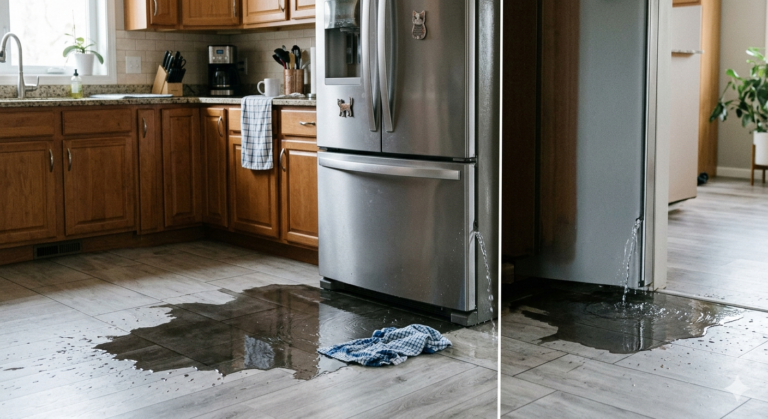
4. Water Leaks
Puddles inside or around your refrigerator indicate a problem. Common causes include a clogged defrost drain, a cracked drain pan, or issues with the water line or ice maker in equipped models.
What to Do: Clear the defrost drain with warm water and a brush. If leaks continue, professional intervention is needed to address the root cause.
5. Overheating Exterior
The back or sides of your fridge may feel warm as the condenser coils release heat, but excessive heat suggests trouble. Dirty coils, a failing fan, or an overworked compressor could be to blame, reducing efficiency and risking damage.
What to Do: Clean the condenser coils with a vacuum or brush. If the overheating persists, a technician can assess the cooling system.
6. Compressor Running Non-Stop
The compressor should cycle on and off to regulate temperature. If it runs constantly, it’s overworking, possibly due to dirty coils, a refrigerant leak, or a failing component. This increases energy costs and strains the appliance.
What to Do: Ensure proper ventilation and clean the coils. Persistent issues require professional diagnostics to prevent compressor burnout.
7. Food Spoiling Too Quickly
When food spoils faster than expected, despite proper storage, your refrigerator may not be cooling effectively. This could stem from poor air circulation, a malfunctioning thermostat, or low refrigerant levels.
What to Do: Use a thermometer to check internal temperatures. If they’re off, schedule a professional inspection to restore proper cooling.
8. Condensation Inside
Water droplets on shelves or food packaging indicate warm air is entering the fridge. This could be caused by a damaged door gasket, frequent door openings, or a failing cooling system, potentially leading to mold or spoilage.
What to Do: Inspect and clean the door gasket, replacing it if damaged. Ongoing condensation requires a technician to check the cooling system.
9. Rising Energy Bills
A sudden increase in your energy bill may signal that your refrigerator is working harder than normal. Aging components, dirty coils, or a struggling compressor can cause higher electricity consumption.
What to Do: Clean the condenser coils and ensure the fridge isn’t overstocked. If bills remain high, a professional can evaluate the appliance’s efficiency.
10. Persistent Odors
A lingering bad smell, even after cleaning, could indicate mold or bacteria growth due to poor temperature control or leaks. In rare cases, a burnt or chemical odor may point to electrical issues.
What to Do: Clean the interior with a baking soda solution and remove spoiled food. If odors persist, a technician can investigate underlying causes.
Why Acting Early Matters
Spotting these warning signs early can prevent minor issues from becoming major headaches. A failing refrigerator can lead to food waste, costly repairs, or necessitate a full replacement. Regular maintenance, such as cleaning coils and checking seals, can extend the life of your appliance, but professional help is often required for complex problems.
For Greater Vancouver residents, Tech-Angels.ca provides reliable refrigerator repair services. Our skilled technicians serve Vancouver, Burnaby, Richmond, Surrey, and surrounding areas, offering fast and effective solutions to keep your appliances running smoothly. Visit Tech-Angels.ca to book a service appointment.
Preventative Maintenance Tips
To keep your refrigerator in top shape, follow these simple steps:
- Clean Condenser Coils: Remove dust every six months to maintain efficiency.
- Inspect Door Seals: Ensure gaskets are clean and free of cracks to prevent air leaks.
- Avoid Overloading: Allow proper air circulation by not overstuffing the fridge.
- Monitor Temperatures: Keep the fridge at 35–38°F and the freezer at 0°F.
- Schedule Regular Checkups: Professional maintenance can catch issues early.
By staying proactive, you can avoid unexpected breakdowns and extend your refrigerator’s lifespan.
Conclusion
Your refrigerator is vital to your home, and recognizing these 10 warning signs—strange noises, inconsistent cooling, excessive frost, water leaks, overheating, a non-stop compressor, premature food spoilage, condensation, rising energy bills, and persistent odors—can help you act before a small issue becomes a big problem. For Greater Vancouver residents, Tech-Angels.ca is here to assist with expert refrigerator repairs. Visit Tech-Angels.ca to schedule a service and keep your kitchen running smoothly.