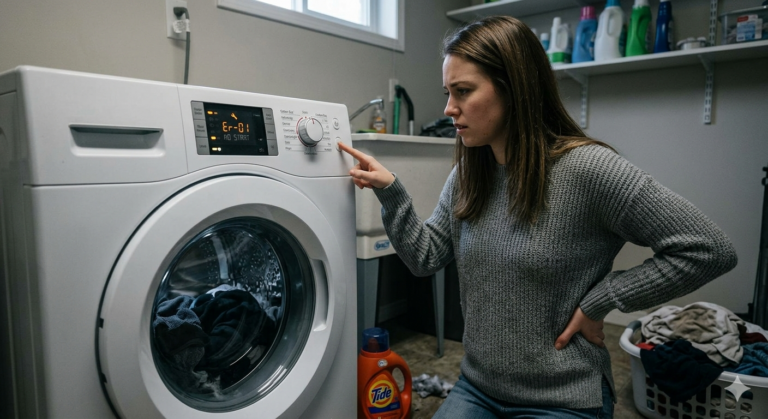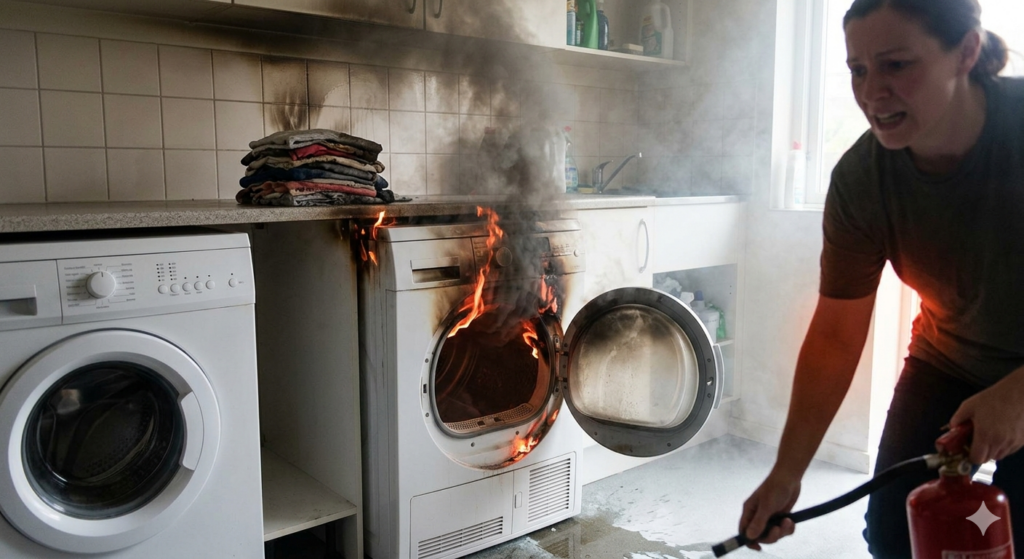
At Tech-Angels, we understand how essential your clothes dryer is to your daily routine. It’s a workhorse appliance, but without proper care, it can become a serious safety hazard. According to the National Fire Protection Association (NFPA), dryers cause approximately 15,000 structure fires annually in the United States, with similar incidents reported across Canada, as noted by the Canadian Fire Chiefs Association. The culprits? Lint buildup, overheating, and neglected maintenance—all preventable with straightforward steps. Our team at Tech-Angels, a trusted name in appliance repair, has seen firsthand the consequences of overlooked dryer care, from minor inefficiencies to dangerous fires. That’s why we’re sharing five simple maintenance tips to keep your dryer running safely and efficiently. These practices reduce fire risks, lower energy costs, and extend your appliance’s lifespan. Let’s explore how you can protect your home and family with these expert-recommended strategies.
Tip 1: Clean the Lint Trap After Every Load
The lint trap, that removable mesh screen in your dryer, is your first defense against fire hazards. It captures lint—flammable fabric fibers, dust, and debris—but if not cleaned regularly, it can obstruct airflow, causing the dryer to overheat. The NFPA reports that over 30% of dryer fires stem from neglected lint traps, making this a critical maintenance task.
Why it matters: A clogged lint trap forces the dryer to work harder, increasing energy consumption and fire risk. Blocked airflow can extend drying times by up to 30%, adding unnecessary strain and costs to your utility bills.
How to do it: After each load, remove the lint trap and scrape off the lint with your fingers or a soft brush. If buildup is stubborn, wash the screen with warm water and mild soap, ensuring it’s completely dry before reinserting. Vacuum the trap slot periodically to remove residual debris. This quick habit takes seconds but delivers significant safety benefits.
Common mistakes to avoid: Overusing dryer sheets can leave residue that clogs the trap. Check for tears or damage in the screen and replace it if needed—new traps are affordable, typically under $10.
Tech-Angels tip: Every few months, soak the trap in a vinegar-water solution to dissolve fabric softener buildup. This ensures optimal airflow, reduces drying times, and minimizes fire hazards. Noticing damp clothes after a cycle? A dirty lint trap could be the issue.
Tip 2: Deep Clean the Dryer Vent Twice a Year
The dryer vent, the hose or pipe that channels hot air and lint outside, is a hidden hotspot for fire risks. Lint that escapes the trap can accumulate here, creating blockages that trap heat and increase the chance of ignition. Health Canada’s fire safety reports highlight vent blockages as a leading cause of residential dryer fires, particularly in homes with older or complex venting systems.
Why it’s critical: Obstructed vents cause overheating, reduce efficiency, and, in gas dryers, may lead to carbon monoxide buildup. External factors like bird nests or debris at the vent’s outdoor exit can exacerbate the problem.
Cleaning process: Always unplug the dryer for safety. Carefully move it away from the wall and disconnect the vent hose (typically secured with clamps). Use a vent cleaning brush kit—available for about $20 at hardware stores—to dislodge lint by inserting and rotating the brush. Vacuum the debris and clean the outdoor vent cover. Reattach the hose securely.
Tools required: Gloves, a flashlight, a vacuum with a hose attachment, and a vent brush kit. Perform this maintenance every six months, or more frequently for high-use households.
FAQs: Roof vents too tricky? Contact a professional to avoid safety risks. Prefer foil tape over clamps? It provides a tighter seal for better performance.
Regular vent cleaning boosts dryer efficiency, potentially saving 10-20% on energy costs, and significantly reduces fire risks. It’s a small investment of time for major peace of mind.
Tip 3: Regularly Inspect and Clean the Exhaust Duct
The exhaust duct, the rigid or semi-rigid conduit connecting your dryer to the outdoors, is another critical component. Unlike flexible plastic ducts, which are prone to melting and prohibited by many Canadian building codes, metal ducts offer durability and safety.
Why it’s important: Damaged, disconnected, or lint-filled ducts restrict airflow, trap heat, and increase fire risks. The Office of the Fire Marshal in Ontario identifies ducts as a common ignition point in laundry room fires. Hidden ducts running through walls or floors can accumulate lint unnoticed, heightening dangers.
Maintenance steps: Every 3-6 months, unplug the dryer and inspect the duct for kinks, tears, or loose connections. Detach accessible sections and clean with a brush or vacuum. For complex in-wall ducts, professional equipment may be necessary to ensure thorough cleaning.
Upgrade recommendation: Replace flexible plastic ducts with rigid aluminum ones for improved airflow and fire resistance. Keep duct length under 25 feet with minimal bends for optimal performance.
Common errors: Avoid using screws to connect duct sections, as they trap lint. Never vent into attics or crawlspaces—always direct exhaust outside.
This maintenance ensures smoother operation, fewer mechanical issues, and enhanced safety, keeping your laundry room cool and hazard-free.
Tip 4: Avoid Overloading and Use Appropriate Settings
It’s tempting to cram in an extra towel or two, but overloading your dryer is a recipe for trouble. It restricts tumbling space, traps moisture, and causes overheating, all of which elevate fire risks.
The science: Poor air circulation leads to uneven heat distribution, straining components like belts and motors. Consumer Reports notes that overloaded dryers are more likely to experience electrical shorts or mechanical failures, both potential fire starters. Overloading also increases energy use, inflating bills.
Best practices: Fill the drum to 50-75% capacity to allow proper tumbling. Sort loads by fabric weight—separate heavy towels from lightweight garments. Opt for sensor-based dry cycles, which stop when clothes are dry, preventing unnecessary heat exposure.
Additional steps: Shake out clothes before loading to prevent clumping. Clean the dryer’s moisture sensor (the metal strip inside the drum) monthly with rubbing alcohol to maintain accuracy.
What to avoid: Never dry items with flammable residues, like oily rags or rubber-backed mats. Skip high-heat settings for delicate or synthetic fabrics to reduce wear and risks.
Proper loading and settings result in faster cycles, better-preserved clothes, and a safer dryer. It’s a simple adjustment with lasting benefits.
Tip 5: Schedule Annual Professional Inspections
While DIY maintenance covers the basics, professional inspections catch issues beyond the average homeowner’s reach, such as internal lint buildup, faulty thermostats, or gas line concerns in gas dryers.
Why it’s essential: Hidden components can harbor lint or wear out, creating fire hazards. The Canadian Standards Association recommends annual professional check-ups to maintain safety and comply with warranty requirements.
What’s involved: Certified technicians disassemble the dryer, clean internal areas, test electrical and safety components, and lubricate moving parts. The cost, typically $80-150, is a small price compared to fire damage or replacement expenses.
At Tech-Angels, our skilled technicians specialize in comprehensive dryer maintenance, ensuring every component is in top shape. Serving Canadian households, we prioritize safety and efficiency. Schedule your inspection at tech-angels.ca for expert care you can trust.
Benefits: Extended appliance life, reduced energy costs, and confidence in a safer home. Proactive maintenance prevents costly emergencies.
Conclusion: Prioritize Safety with Tech-Angels
Implementing these five tips—cleaning the lint trap, deep-cleaning vents, inspecting ducts, loading wisely, and scheduling professional maintenance—ensures your dryer operates safely and efficiently. Consistency is key to protecting your home from fire risks and maintaining peak performance.
At Tech-Angels, we’re committed to helping Canadian families keep their appliances in top condition. If you notice warning signs like burning smells, longer drying times, or unusual noises, our expert repair services are just a click away at tech-angels.ca. Trust us to deliver reliable, professional care for your peace of mind. Stay safe and keep your dryer running smoothly!