Few things are more frustrating than loading up your washing machine, pressing the start button, and getting absolutely nothing in response. No lights, no sounds, no spinning — just silence. Before you panic about the cost of a new washer, take a deep breath. In many cases, the reason your washing machine won’t start is something you can diagnose and even fix on your own.
This comprehensive guide will walk you through the most common reasons a washing machine refuses to start, step-by-step troubleshooting methods, and clear advice on when it’s time to call a professional. Whether you have a front-load or top-load model, these tips apply to most major brands including Samsung, LG, Whirlpool, Maytag, and Bosch.
Start with the Basics: Quick Checks Before You Panic
Before diving into anything technical, start with the simplest possible explanations. You’d be surprised how often the fix is something you can handle in under a minute.
Is the Machine Plugged In?
It sounds almost too obvious, but washing machines can come unplugged — especially if they vibrate during spin cycles or if someone recently moved the unit. Check that the power cord is firmly seated in the outlet. If your washer is plugged into a power bar or surge protector, verify that it’s switched on and functioning.
Check the Circuit Breaker
Your washing machine runs on a dedicated circuit in most homes. Head to your electrical panel and check whether the breaker for your laundry room has tripped. If it has, reset it and try starting the machine again. If the breaker trips repeatedly, stop using the machine and call an electrician — there may be a wiring issue that needs professional attention.
Is the Water Supply Turned On?
Some washing machines won’t start their cycle if they don’t detect water coming in. Make sure both the hot and cold water supply valves behind the machine are fully open. If you recently had plumbing work done or turned the valves off for any reason, this is an easy oversight.
Is Child Lock Activated?
Many modern washers have a child lock feature that disables the control panel to prevent little fingers from accidentally starting a cycle. Look for a lock icon on your display or a small LED indicator. Consult your owner’s manual for instructions on how to deactivate child lock — it usually involves pressing and holding a specific button combination for a few seconds.
The Door or Lid Won’t Latch Properly
This is one of the most common reasons a washing machine won’t start, and it’s by design. Modern washers are equipped with safety mechanisms that prevent the machine from operating unless the door (on front-load models) or lid (on top-load models) is securely latched and locked.
Front-Load Washers: Door Lock Issues
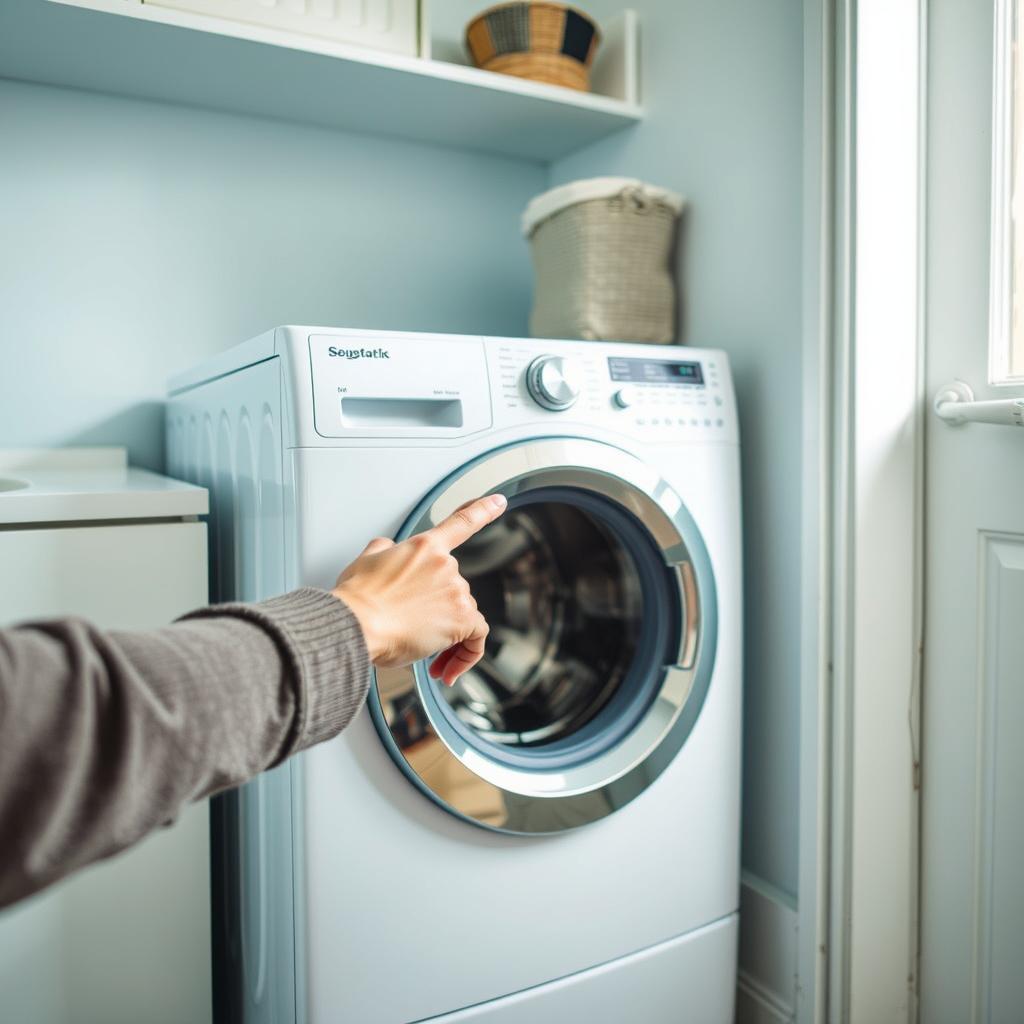
Front-load washing machines use an electronic door lock (also called a door latch or interlock) that engages before the cycle begins. If the lock is faulty, the machine won’t receive the signal it needs to start.
Start by inspecting the door seal for any clothing, debris, or foreign objects that might be preventing the door from closing completely. Even a small sock caught in the gasket can keep the door from sealing. If the door appears to close properly but the machine still won’t start, the door lock mechanism itself may be worn out or electrically faulty.
Another common culprit is a worn or damaged door seal (also known as a boot gasket). Over time, the rubber gasket can warp, tear, or accumulate mold and grime that prevents a proper seal. If you notice water leaking from the door area, that’s another sign the seal may need replacing.
Top-Load Washers: Lid Switch Problems
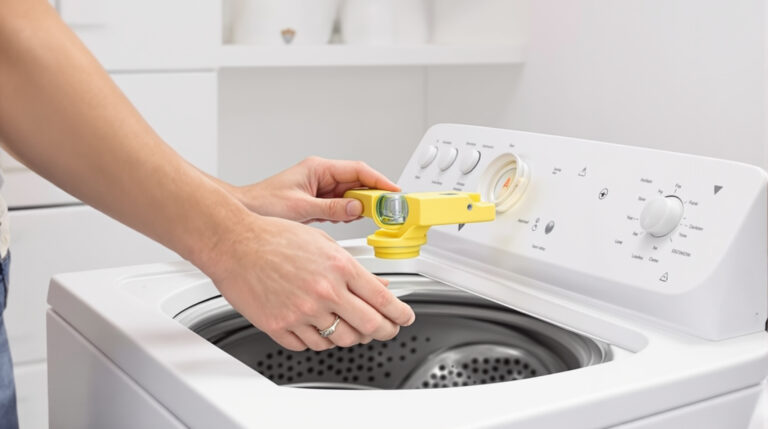
Top-load washers use a lid switch — a small plastic piece attached to the lid that activates a switch inside the machine when the lid closes. If the lid switch is broken, bent, or misaligned, the machine won’t recognize that the lid is closed and will refuse to start.
You can test the lid switch by listening for a clicking sound when you close the lid. If you don’t hear a click, the switch may need to be replaced. In some cases, you can also use a multimeter to test the switch for electrical continuity.
Control Panel and Electronic Issues
If the basics all check out and the door is latching properly, the problem may lie in the washer’s control system.
Unresponsive Control Panel
If the control panel is completely dark — no lights, no display — the issue is likely power-related. Beyond checking the outlet and breaker, consider whether the machine’s power cord itself might be damaged. On some models, there’s also an internal fuse or thermal fuse that can blow, cutting power to the control board.
If the panel lights up but doesn’t respond to button presses, the control board or user interface board may be malfunctioning. Before assuming the worst, try a hard reset: unplug the machine for 60 seconds, then plug it back in. This clears the electronic memory and can resolve temporary glitches.
Error Codes on the Display
If your washing machine’s display is showing an error code instead of starting, that code is your best diagnostic tool. Common startup-related error codes include door lock failures, water supply issues, and control board communication errors. Check your owner’s manual or the manufacturer’s website for your specific model’s error code definitions.
Timer or Delay Start
Some washers have a delay start feature that lets you program the machine to begin its cycle at a later time. If delay start is accidentally activated, the machine will appear not to start even though it’s technically waiting for the programmed time. Check your display for any timer countdown or delay indicator.
Water Inlet Valve Problems
The water inlet valve controls the flow of hot and cold water into your washing machine. If the valve is clogged, frozen (in cold weather), or electrically faulty, your washer may not start because it can’t fill with water.
Checking the Inlet Screens
Over time, mineral deposits and sediment from your home’s water supply can clog the small filter screens inside the inlet valve connections. To check them:
- Turn off both water supply valves behind the machine.
- Disconnect the hot and cold water hoses from the back of the washer.
- Look inside the valve connections for small mesh screens.
- Clean any debris or mineral buildup from the screens using an old toothbrush and vinegar.
- Reconnect the hoses, turn the water back on, and test the machine.
If cleaning the screens doesn’t resolve the issue, the inlet valve itself may need to be replaced — a job that’s usually best left to a professional washing machine repair technician.
Drive Motor and Belt Issues
If your washer hums, buzzes, or makes a strained sound when you press start but the drum doesn’t move, the problem may be with the drive motor or drive belt.
Drive Belt
Some washing machines (particularly older models) use a rubber drive belt to connect the motor to the drum. Over time, this belt can stretch, slip, or break entirely. If the belt has snapped, the motor will run but the drum won’t spin. You can usually access the belt by removing the machine’s back panel — if the belt is visibly damaged, cracked, or loose, it needs to be replaced.
Drive Motor
The drive motor itself can also fail, especially in older machines. Signs of a failing motor include a burning smell, loud buzzing or humming, or the motor starting briefly then shutting off. Motor replacement is a complex repair that typically requires professional service.
Main Control Board Failure
The main control board (sometimes called the electronic control board or PCB) is the brain of your washing machine. It coordinates everything — water fill, agitation, spinning, draining, and temperature control. When the control board fails, the machine may not start at all, or it may start and immediately stop.
Control board failures can be caused by power surges, moisture exposure, or simply age. Symptoms include erratic behavior, random error codes, or a completely unresponsive machine. Unfortunately, diagnosing a control board issue definitively usually requires specialized equipment and training.
If you suspect a control board problem, a hard reset (unplugging for 60 seconds) is always worth trying first. Beyond that, this is a repair best handled by experienced professionals who can test the board and replace it if necessary.
Thermal Fuse
Many washing machines include a thermal fuse as a safety device. The thermal fuse is designed to blow if the machine overheats, cutting power to prevent fire or further damage. If the thermal fuse has blown, the machine won’t start at all.
Thermal fuses are typically located on the control board or near the motor. Testing a thermal fuse requires a multimeter — if the fuse shows no continuity, it needs to be replaced. While the fuse itself is inexpensive, the fact that it blew suggests an underlying issue (such as a motor running hot or poor ventilation) that should also be addressed.
Step-by-Step Troubleshooting Checklist
Here’s a systematic approach to diagnosing why your washing machine won’t start:
- Step 1: Verify the power supply — check the outlet, power cord, and circuit breaker.
- Step 2: Ensure the water supply valves are fully open.
- Step 3: Check for child lock activation or delay start settings.
- Step 4: Inspect the door latch (front-load) or lid switch (top-load) for damage or obstructions.
- Step 5: Look for error codes on the display and reference your manual.
- Step 6: Try a hard reset — unplug for 60 seconds, then plug back in.
- Step 7: Clean the water inlet valve screens.
- Step 8: Listen for motor sounds — humming, buzzing, or clicking can indicate specific failures.
- Step 9: If none of the above resolves the issue, contact a professional technician.
When It’s Time to Call a Professional
While many washing machine start-up problems have simple fixes, some issues require the expertise and tools of a trained technician. Here are signs it’s time to pick up the phone:
- The circuit breaker keeps tripping when you try to run the machine.
- You smell burning or see sparks near the machine.
- The control panel is completely dead despite having a good power supply.
- The machine makes loud grinding, banging, or screeching noises.
- You’ve tried all the basic troubleshooting steps and the problem persists.
- Your appliance is still under manufacturer’s warranty — DIY repairs may void the warranty.
If you’re in the Greater Vancouver area, Tech Angels Appliance Repair offers fast, professional washing machine diagnostics and repair. Our technicians are trained on all major brands and can typically diagnose the issue on the first visit. You can also check out our detailed guide on common reasons your washing machine won’t start for additional tips.
Preventing Future Start-Up Problems
The best way to avoid a washing machine that won’t start is proactive maintenance. A few simple habits can significantly extend your washer’s lifespan and reliability:
- Don’t overload the machine. Overstuffing stresses the motor, belt, bearings, and door latch.
- Use the right detergent. High-efficiency (HE) machines require HE detergent. Using regular detergent creates excess suds that can damage the control board and pump.
- Leave the door open between loads. This allows moisture to evaporate and prevents mold growth on the door seal.
- Clean the inlet screens annually. Sediment buildup restricts water flow and strains the inlet valve.
- Use a surge protector. Power surges are a leading cause of control board failure. A quality surge protector provides an extra layer of protection.
- Run a cleaning cycle monthly. Use a washing machine cleaner or a cup of white vinegar on a hot cycle to remove residue buildup.
For more maintenance advice, read our guide on how appliance repair enhances home safety.
Final Thoughts
A washing machine that won’t start is a common household problem, and the fix is often simpler than you’d expect. By systematically working through the potential causes — from the power supply to the door latch to the control board — you can often pinpoint the issue and either resolve it yourself or give your repair technician a head start on the diagnosis.
Remember, there’s no shame in calling a professional when you’ve exhausted the basic troubleshooting steps. Some repairs involve high voltage, moving parts, and sealed components that are best handled by someone with the right training and tools. The important thing is that you’ve taken the time to understand your machine and rule out the easy fixes first — that alone can save you significant time and money.
Need help with a washing machine that won’t cooperate? Call Tech Angels at (604) 265-3565 or book an appointment online. We serve Vancouver, Burnaby, Coquitlam, and the entire Lower Mainland with same-day and next-day service availability.