When an appliance breaks down, having the right tools on hand can mean the difference between a quick DIY fix and an expensive service call. You don’t need a professional-grade toolkit — a modest collection of well-chosen tools will handle the vast majority of basic appliance troubleshooting and maintenance tasks.
In this guide, we’ll cover the essential tools every homeowner should have for appliance troubleshooting, what each tool does, and when to use it.
The Must-Have: Digital Multimeter
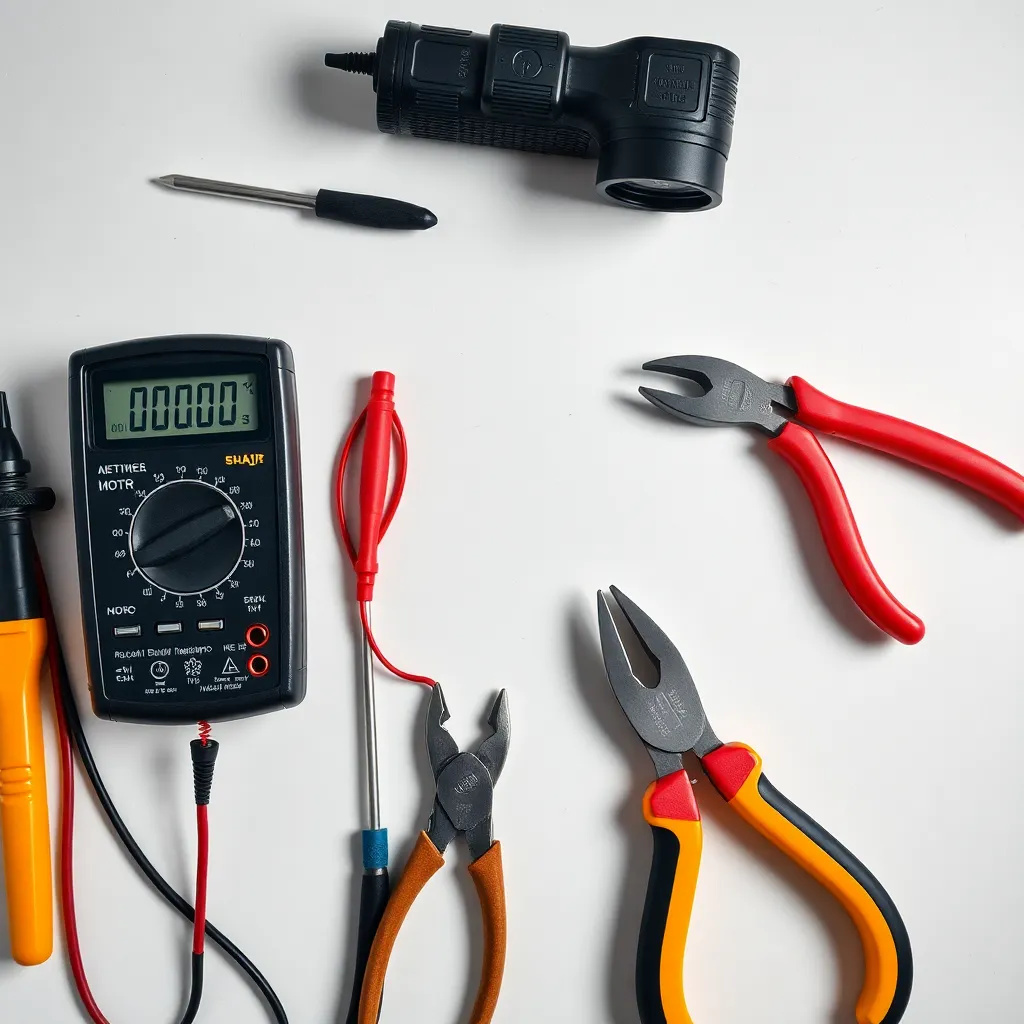
If you’re going to invest in one diagnostic tool, make it a digital multimeter. This device measures voltage, resistance, and continuity — the three measurements that form the foundation of all electrical troubleshooting. With a multimeter, you can verify that an outlet has power, test whether a heating element is intact, check if a fuse has blown, confirm that a switch or sensor is working, and measure the resistance of a thermistor to verify temperature accuracy.
A quality multimeter costs $30-$80 and will serve you for years. Learn to use the continuity function first — it’s the most useful for appliance work and the safest (the appliance must be unplugged). The continuity test tells you whether electricity can flow through a component. If you get a beep or reading, the circuit is intact. No reading means the component is broken.
Screwdriver Set
Most appliance panels and access covers use Phillips head screws, with some using Torx (star-shaped) or hex head fasteners. A set that includes multiple sizes of Phillips, flathead, Torx, and nut driver heads covers nearly every appliance fastener you’ll encounter. Magnetic tips are a huge help — appliance screws are often small and positioned in awkward places where dropped screws disappear.
Nut Driver Set
Many appliance panels use hex-head sheet metal screws that are faster to remove with a nut driver than a socket wrench. A set of 1/4″ and 5/16″ nut drivers covers the most common sizes. Some brands also use 3/8″ fasteners.
Pliers
Needle-nose pliers are essential for gripping small connectors, pulling wire terminals, and reaching into tight spaces. Standard slip-joint pliers handle larger tasks. Channel-lock (tongue-and-groove) pliers are useful for hose connections and larger fittings.
Flashlight or Headlamp
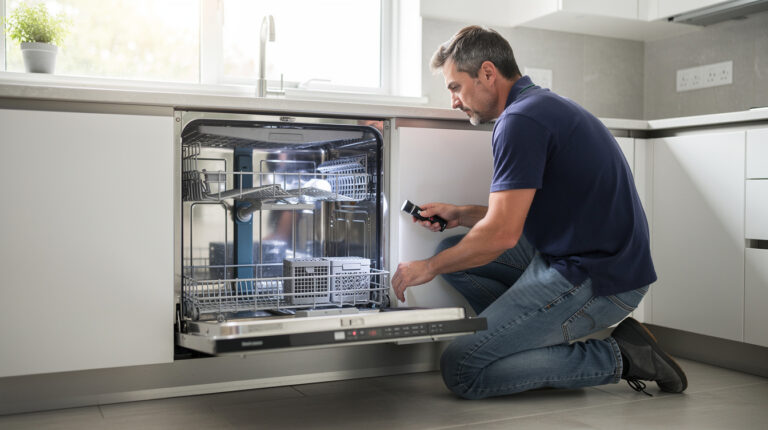
The inside of appliances is dark. A good headlamp keeps both hands free while providing directed light exactly where you’re looking — invaluable when you’re peering behind a dryer drum or inspecting the underside of a dishwasher.
Putty Knife
Many appliance top panels are held by spring clips rather than screws. A flexible putty knife slides into the seam between the top and front panel, depressing the clips to release the top. This is the standard method for accessing the internals of many Whirlpool, Maytag, and GE washers and dryers.
Level
An unlevel washing machine vibrates excessively and wears out components faster. An unlevel refrigerator may not drain properly or close fully. A small bubble level (or a smartphone level app) lets you check and correct appliance levelling in seconds.
Towels and Containers
Not glamorous, but essential. Working on washers, dishwashers, and refrigerators inevitably involves some water. Old towels and shallow containers (like a baking sheet) catch water when you disconnect hoses or clean drain filters, protecting your floors and making cleanup easy.
Coil Cleaning Brush
This long, narrow brush is designed specifically for cleaning refrigerator condenser coils. It reaches behind and under the fridge where a vacuum can’t. At about $10, it’s one of the best value maintenance tools you can own — regular coil cleaning extends your fridge’s life and reduces energy consumption.
Pipe Cleaners and Drain Snake
Flexible pipe cleaners clear clogged drain tubes in refrigerators and dishwashers. A small drain snake handles tougher blockages in drain hoses. Keep both on hand for those inevitable drainage issues.
Smartphone
Your phone is a surprisingly powerful diagnostic tool. Use it to photograph wire connections before disassembly (so you know how to reconnect them), record video of unusual sounds to show a technician, look up error codes and wiring diagrams, access manufacturer troubleshooting guides, and use the built-in level for checking appliance alignment.
Safety Equipment
- Work gloves: Protect against sharp sheet metal edges inside appliances.
- Safety glasses: Protect against springs, clips, and debris.
- Non-contact voltage tester: A pen-like device that detects live electrical wires without touching them. Wave it near a wire or outlet — it lights up and beeps if voltage is present. An inexpensive safety essential.
When Tools Aren’t Enough
The right tools empower you to handle a wide range of basic maintenance and troubleshooting tasks. But when the diagnosis points to complex electrical work, sealed refrigerant systems, or major component replacement, professional tools and training are required. Tech Angels Appliance Repair brings professional-grade equipment and factory training to every service call. Call (604) 265-3565 when you need expert help in the Greater Vancouver area.
Final Thoughts
Building a basic appliance troubleshooting toolkit is a modest investment that pays for itself quickly. A $50 multimeter, a good screwdriver set, a flashlight, and a coil brush give you the ability to diagnose issues, perform essential maintenance, and make many basic repairs yourself. Start with the essentials and add specialized tools as needed. Your appliances — and your wallet — will thank you.