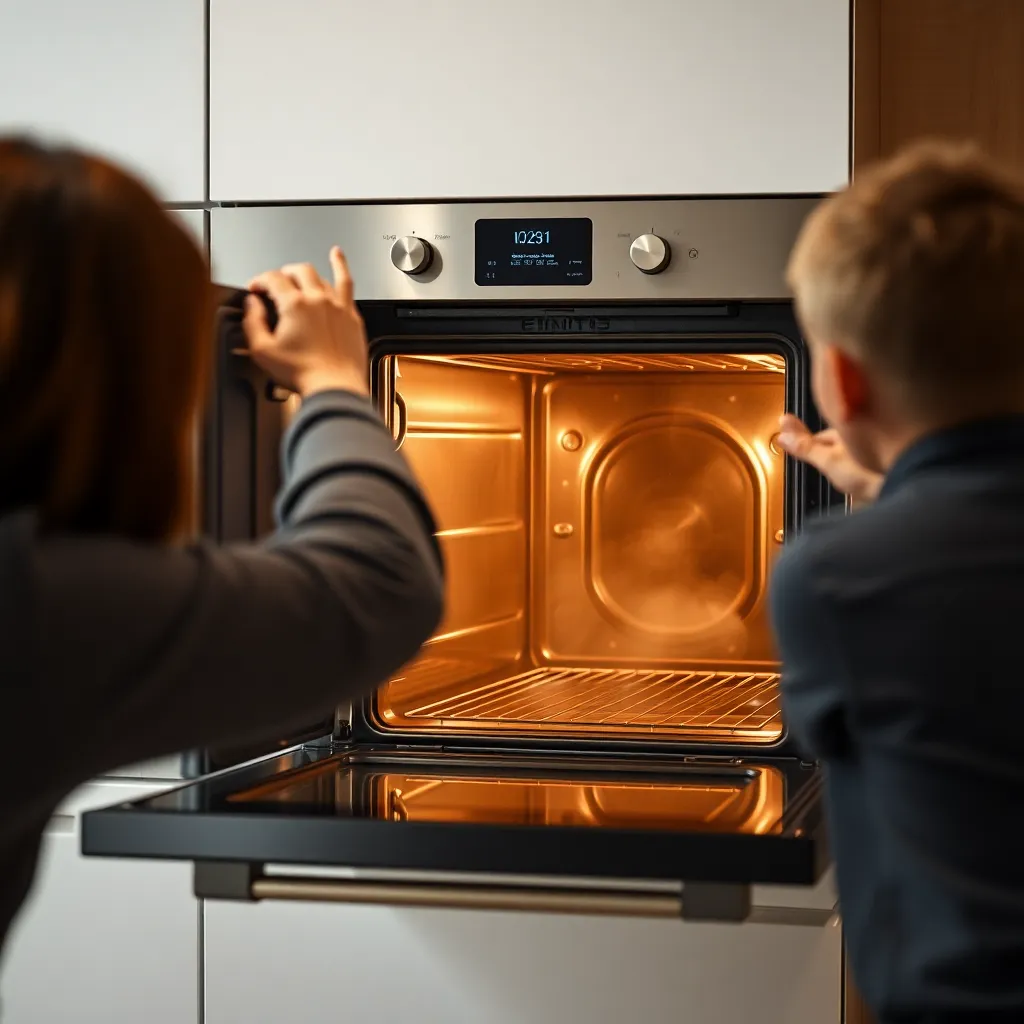
A burning plastic smell from your oven is alarming — and rightfully so. While the cause is often harmless, some situations require immediate attention. Understanding what’s behind that smell helps you decide whether to ventilate and carry on or shut things down and call for help.
In this guide, we’ll cover every common cause of a burning plastic smell from your oven, what to do in each case, and when to be concerned about safety.
New Oven Break-In Smell
If your oven is brand new, a chemical or plasticky smell during the first few uses is completely normal. Manufacturers apply protective coatings to the interior surfaces and heating elements to prevent corrosion during shipping and storage. These coatings burn off when the oven first heats up, producing a noticeable (and unpleasant) odor.
What to Do
Most manufacturers recommend running the oven empty at 230-260°C (450-500°F) for 30-60 minutes before cooking food in it. Open windows and run your range hood fan during this burn-in cycle. The smell typically disappears after 1-3 heating cycles. This is completely normal and not a safety concern.
Forgotten Packaging Materials
This is more common than you’d think: zip ties, plastic wrap, foam packing material, wire nuts, or protective film left inside the oven cavity after installation or delivery. These materials melt quickly at oven temperatures and produce a strong burning plastic odor.
What to Do
Turn off the oven immediately and let it cool. Inspect the cavity thoroughly — check the back wall, underneath the heating elements (if they lift up), on the racks, and in the storage drawer below. Remove any packaging materials you find. Clean any melted residue with a baking soda paste once the oven is cool.
Plastic Utensils or Containers Left Inside
A spatula, cutting board, plastic container lid, or food packaging accidentally left on a rack or in the storage drawer can melt when the oven heats up. The storage drawer beneath the oven gets hot during operation, so items stored there can melt even if they’re not in the oven itself.
What to Do
Turn off the oven, open windows, and let it cool. Remove the melted item. To clean melted plastic from oven surfaces, apply ice to harden the plastic, then gently scrape it off with a plastic scraper or old credit card. For residue, apply a paste of baking soda and water, let it sit for several hours, then wipe clean.
Oven Cleaner Residue
Commercial oven cleaners and the oven’s self-clean cycle both produce strong chemical odors. If you cleaned the oven recently and didn’t fully rinse the cleaning solution, the residue can produce a chemical or plasticky smell when the oven heats up.
What to Do
Wipe the oven interior thoroughly with a damp cloth several times to remove cleaner residue. Run the oven empty at moderate temperature (175°C) for 15-20 minutes with ventilation to burn off any remaining residue. For a gentler cleaning approach, check out our guide on cleaning your oven without harsh chemicals.
Faulty or Damaged Wiring
This is the cause that warrants immediate attention. Electrical wiring inside the oven is insulated with a plastic coating. If a wire connection loosens, a wire is pinched, or insulation is damaged, the insulation can overheat and melt — producing a burning plastic smell along with a potential fire hazard.
Warning Signs
- Burning smell accompanied by visible smoke from the back or bottom of the oven.
- Tripping breaker when the oven is in use.
- Oven not heating evenly or not reaching set temperature.
- Scorch marks visible on the oven interior, wiring, or connections.
What to Do
Turn off the oven immediately and unplug it or switch off the breaker. Do not use the oven until a qualified technician has inspected the wiring. Electrical problems in ovens are a genuine fire hazard and should never be ignored.
Overheating Components
If the oven’s temperature control fails (due to a faulty thermostat, thermistor, or control board), the oven can overheat beyond its intended range. At extreme temperatures, insulation materials, wire coatings, and even the gasket around the door can begin to degrade and produce plasticky odors.
What to Do
If your oven seems significantly hotter than the set temperature — bread burning in half the expected time, for example — turn it off and have the temperature sensor tested. An oven thermometer placed inside the cavity is a simple way to verify whether the displayed temperature is accurate.
Melting Door Gasket
The oven door gasket (the flexible seal around the door opening) is made of heat-resistant fiberglass or silicone, but if it’s been damaged, improperly replaced with a non-OEM part, or has deteriorated with age, it can produce a burning smell during high-temperature cooking or self-clean cycles.
What to Do
Inspect the gasket around the oven door for signs of hardening, cracking, melting, or gaps. A damaged gasket allows heat to escape, wastes energy, and should be replaced with a manufacturer-specified part.
Self-Clean Cycle Odors
The self-clean cycle heats the oven to extremely high temperatures (around 480°C / 900°F) to incinerate food residue. This process produces strong, acrid odors that can smell plasticky or chemical-like. While normal, it’s important to ventilate well.
What to Do
Open windows, run the range hood, and keep children and pets away from the kitchen during and immediately after a self-clean cycle. Remove heavy food spills manually before running self-clean, as burning large amounts of residue produces more smoke and odor.
When to Be Concerned
Most burning plastic smells from ovens are harmless and temporary — new oven break-in, forgotten items, or cleaner residue. However, seek professional help immediately if the smell is accompanied by smoke coming from behind the oven, a tripped breaker, visible scorch marks on wiring, or the oven won’t turn off.
Tech Angels Appliance Repair handles oven diagnosis and repair across the Greater Vancouver area. If you suspect an electrical issue, don’t wait — call (604) 265-3565 for prompt, safe service.
Final Thoughts
A burning plastic smell from your oven usually has a simple explanation and a simple fix. The key is identifying the source: harmless break-in smells and forgotten items are quick to resolve, while electrical odors demand immediate professional attention. When in doubt, turn the oven off, ventilate, and call a technician. It’s always better to be cautious with an appliance that generates extreme heat.