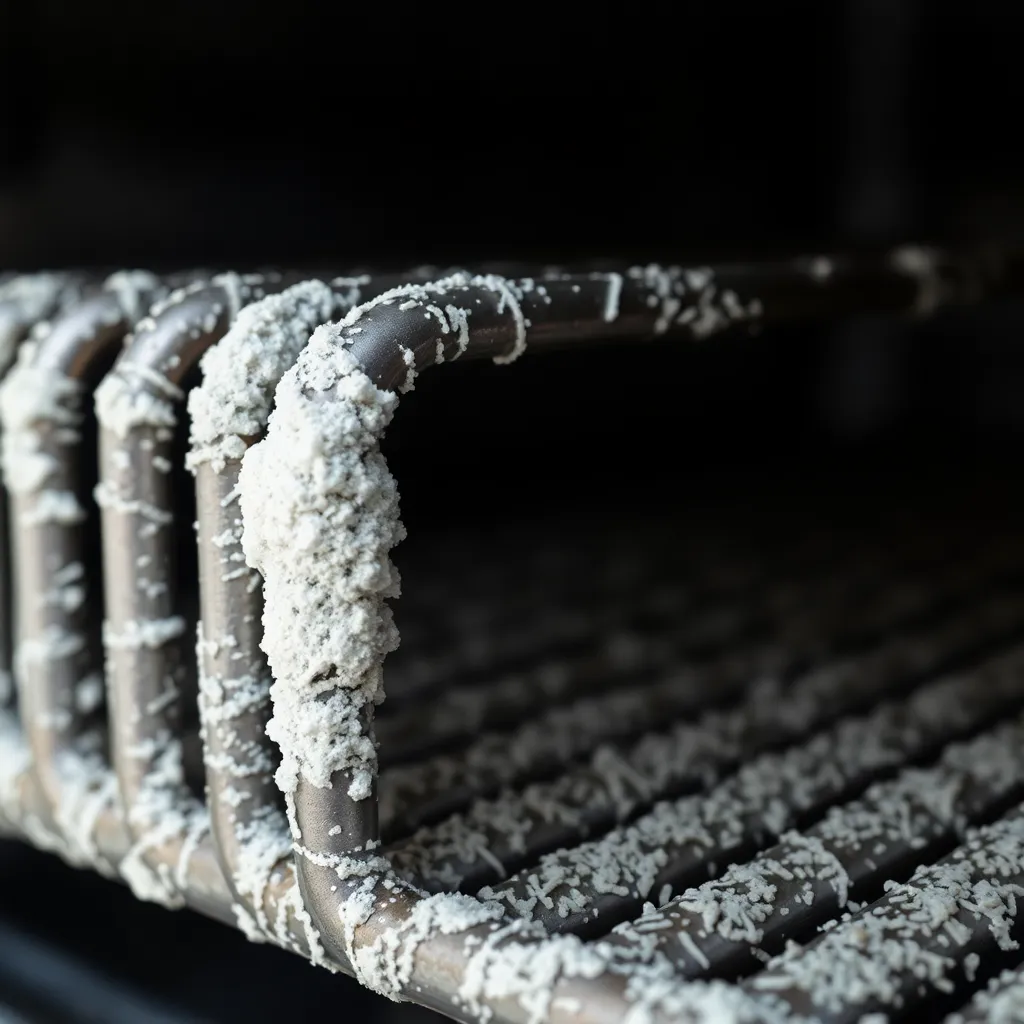
If you live in an area with hard water — and many parts of the Greater Vancouver area have moderately hard water — your appliances are fighting a battle you might not even be aware of. Hard water contains dissolved minerals, primarily calcium and magnesium, that build up inside your appliances over time. This mineral scale deposits on heating elements, clogs water lines, reduces efficiency, and ultimately shortens appliance lifespan.
In this guide, we’ll explain how hard water affects each of your major appliances and what you can do to protect them.
What Is Hard Water?
Hard water is water with a high concentration of dissolved minerals, primarily calcium carbonate and magnesium. Water picks up these minerals as it flows through limestone, chalk, and other geological formations. Canadian water hardness is measured in milligrams per litre (mg/L) of calcium carbonate. Water above 120 mg/L is considered hard; above 180 mg/L is very hard.
The telltale signs of hard water include white, chalky deposits on faucets and showerheads, soap scum that’s hard to rinse away, spots on dishes and glasses after washing, and clothes that feel stiff or dingy after laundering.
How Hard Water Damages Your Dishwasher
Your dishwasher is one of the first appliances to show hard water effects. Mineral deposits form on the heating element, reducing its efficiency and eventually causing it to fail. The spray arms develop calcium buildup in their tiny holes, reducing water pressure and creating uneven cleaning. The interior walls develop a white film that’s difficult to remove, and glassware comes out cloudy or etched.
What to Do
- Run an empty cycle with two cups of white vinegar monthly to dissolve mineral deposits.
- Use a rinse aid — it prevents mineral spots by helping water sheet off dishes instead of forming droplets that leave deposits.
- Check and clean spray arm holes regularly with a toothpick.
- Use a dishwasher cleaner formulated for hard water every 2-3 months.
How Hard Water Affects Your Washing Machine
Hard water affects your washing machine in two ways: it reduces cleaning effectiveness and damages the machine itself. Hard minerals interfere with detergent action, so clothes don’t get as clean. You end up using more detergent, which creates more residue and buildup inside the machine. Over time, mineral deposits accumulate in water inlet valves, restricting flow. Scale builds up on the heating element (in models that heat water internally), increasing energy consumption and eventually causing element failure.
What to Do
- Use a detergent formulated for hard water, or add a water softening product like washing soda to each load.
- Run a monthly cleaning cycle with white vinegar or a washer cleaning tablet.
- Don’t overuse detergent — more soap doesn’t compensate for hard water and makes the buildup problem worse.
- Clean the inlet screens on the water supply valves annually.
How Hard Water Impacts Your Refrigerator
If your refrigerator has a water dispenser or ice maker, hard water affects the water line, the inlet valve, and the ice maker assembly. Mineral deposits gradually narrow the water supply line, reducing flow and eventually blocking it entirely. The water inlet valve can become clogged with scale, causing it to drip or fail to shut off completely. Ice cubes may appear cloudy or have an off taste.
What to Do
- Replace the water filter on schedule (typically every 6 months).
- If water flow slows noticeably, the supply line may need to be flushed or replaced.
- Install an inline water filter rated for sediment and mineral reduction if your area has very hard water.
How Hard Water Affects Your Dryer
Your dryer isn’t directly connected to water, but hard water affects it indirectly. Clothes washed in hard water retain mineral deposits in their fibers, making fabrics stiffer and heavier. This means your dryer works harder and longer to dry each load, increasing energy consumption and wear. Hard water residue in fabrics also produces more lint, which can accelerate lint buildup in the dryer vent.
The Long-Term Cost
Hard water’s impact on appliance lifespan is significant. Studies have shown that hard water can reduce a water heater’s lifespan by up to 50%. While specific data for dishwashers and washers varies, the principle is the same: mineral buildup forces heating elements to work harder, clogs moving parts, and corrodes connections. Over a 10-15 year appliance lifespan, hard water can add hundreds of dollars in extra energy costs and lead to earlier replacement.
The Best Solution: Water Softening
If your home has hard water, the most effective long-term solution is a whole-home water softener. These systems remove calcium and magnesium from your water supply before it reaches your appliances, virtually eliminating scale buildup. While the upfront cost is significant ($1,500-$3,000 installed), the savings in extended appliance life, reduced energy consumption, less detergent use, and fewer repairs make it a worthwhile investment for homes with hard to very hard water.
If a whole-home softener isn’t feasible, consider point-of-use solutions: inline filters for the refrigerator, dishwasher-specific hard water treatments, and washing machine additives.
When to Call a Professional
If your appliances are already showing hard water damage — reduced water flow, cloudy dishes, heating elements failing prematurely, or error codes related to water temperature — it may be time for professional service. Tech Angels Appliance Repair can diagnose and repair hard water damage across all major appliance types in the Greater Vancouver area. Call (604) 265-3565 for expert service.
Final Thoughts
Hard water is a slow, invisible enemy of your household appliances. The mineral deposits it leaves behind reduce efficiency, shorten lifespan, and lead to costly repairs. Regular descaling maintenance and, ideally, water softening are the best defenses. If your appliances are already suffering from years of hard water exposure, professional cleaning and component replacement can restore performance and extend their remaining life.