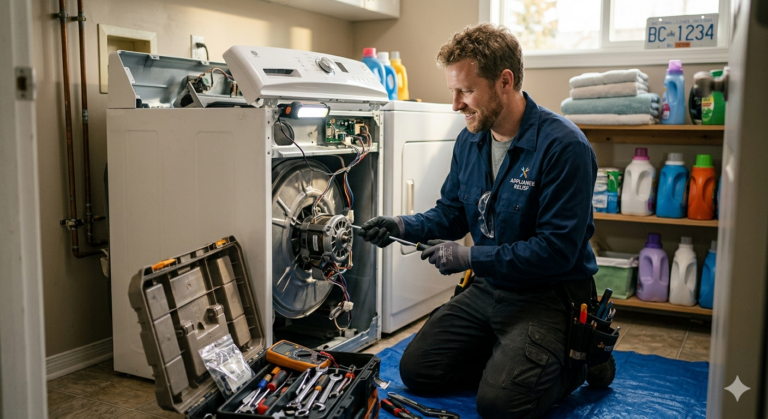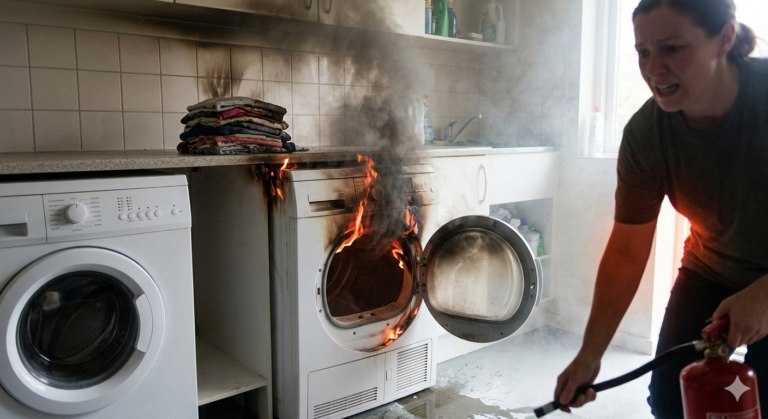
Household appliances are essential in today’s fast-paced world, from keeping food fresh with refrigerators to simplifying laundry with washing machines. However, their convenience comes with a downside: when appliances break, many are discarded rather than repaired, contributing to a growing waste crisis. Landfills are overflowing with obsolete electronics, and the environmental impact of producing new appliances is significant. Explore how appliance repair is crucial in reducing waste, conserving resources, and promoting sustainability. We’ll also highlight how professional services, like those from Tech-Angels, can help households make eco-friendly choices.
The Growing Problem of Appliance Waste
The disposal of appliances has become a pressing environmental concern. According to the United Nations, the world generates over 50 million tons of electronic and electrical waste (e-waste) annually, with appliances like refrigerators, ovens, and dryers forming a substantial portion. In Canada alone, millions of appliances are discarded each year, many of which end up in landfills due to a lack of repair or recycling infrastructure.
Why Appliances End Up in Landfills
- Perceived Cost of Repair: Many assume repairing an appliance is as expensive as buying a new one, leading to quick replacements.
- Planned Obsolescence: Manufacturers design some appliances with limited lifespans, discouraging repairs.
- Lack of Awareness: Consumers may not know repair options exist or how to access them.
- Time Constraints: The immediate need for a functioning appliance often outweighs the effort to repair.
Once discarded, appliances release harmful substances like refrigerants, heavy metals, and plastics into the environment. Producing new units also consumes vast energy and raw materials, exacerbating carbon emissions and resource depletion.
How Appliance Repair Reduces Waste
Repairing appliances instead of replacing them offers a powerful solution to this waste problem. Here’s how it contributes to sustainability:
1. Extending Product Lifespan
A repaired appliance can continue serving its purpose for years, delaying the need for a new unit. For instance, fixing a faulty compressor in a refrigerator or replacing a worn-out dryer belt can add several years of life to these devices. This reduces the frequency of disposal and the demand for new manufacturing.
2. Conserving Resources
Manufacturing a new appliance requires mining metals, processing plastics, and consuming energy. Repairing an existing unit uses a fraction of these resources. For example, fixing a dishwasher’s pump requires only a small part and minimal energy compared to producing a new machine, which involves extracting steel, aluminum, and rare earth metals.
3. Preventing Hazardous Waste
Appliances contain hazardous materials like mercury, lead, and chlorofluorocarbons (CFCs). Proper repair and maintenance prevent these substances from leaching into soil and water when discarded. Certified technicians, such as those at Tech-Angels, ensure safe handling of such components during repairs.
4. Reducing Carbon Footprint
The production and transportation of new appliances contribute significantly to greenhouse gas emissions. By opting for repair, households can lower their carbon footprint. Studies suggest that repairing an appliance can reduce its environmental impact by up to 80% compared to manufacturing a new one.
Common Appliances and Repairable Issues
Not all appliance failures necessitate replacement. Many common problems can be fixed, such as keeping units out of landfills. Here are some examples:
1. Refrigerators
- Issue: A noisy compressor or poor cooling.
- Repair: Cleaning condenser coils or replacing the start relay.
- Impact: Extends life by 5–10 years, avoiding disposal of a unit that may weigh 200–300 pounds.
2. Ovens and Stoves
- Issue: Faulty heating elements or gas leaks.
- Repair: Replacing elements or tightening gas connections.
- Impact: Prevents the discard of heavy, energy-intensive appliances.
3. Dishwashers
- Issue: Leaking seals or malfunctioning motors.
- Repair: Replacing gaskets or motors.
- Impact: Avoids sending a water- and energy-efficient device to the dump.
4. Washing Machines
- Issue: Broken belts or clogged pumps.
- Repair: Replacing belts or clearing blockages.
- Impact: Keeps a durable appliance functional, reducing waste from a 150–200-pound unit.
5. Dryers
- Issue: Lint buildup or faulty thermostats.
- Repair: Cleaning vents or replacing thermostats.
- Impact: Prevents fire hazards and extends life, avoiding disposal.
Tech-Angels specializes in repairing these and other appliances, offering eco-conscious solutions for Canadian homes.
The Economic Benefits of Repair
Beyond environmental gains, repairing appliances saves money, making it an attractive alternative to replacement. A new refrigerator can cost $500–$2,000, while a repair like replacing a thermostat might cost $100–$200. Similarly, fixing a dryer’s heating element for $150 is far cheaper than buying a new unit for $600–$1,000. Over time, these savings add up, encouraging a repair-first mindset that reduces waste.
Challenges to Appliance Repair and How to Overcome Them
Despite its benefits, appliance repair faces obstacles. Addressing these can amplify its role in waste reduction:
- Access to Parts: Older models may have discontinued parts. Tech-Angels maintains a network of suppliers to source compatible components, ensuring repairs are feasible.
- Skill Gap: DIY repairs can be daunting. Professional services provide expertise, while educational resources can empower homeowners with basic skills.
- Time Investment: Repairs may take longer than buying new. Scheduling with Tech-Angels’ same-day service minimizes downtime, making repair a practical choice.
The Role of Policy and Community in Supporting Repair
Governments and communities can bolster repair efforts to reduce waste. Initiatives like the “Right to Repair” movement advocate for accessible manuals and parts, while recycling programs ensure end-of-life appliances are processed responsibly. Locally, Tech-Angels supports sustainability by offering repair workshops, educating consumers on maintaining their appliances.
DIY vs. Professional Repair: Finding the Balance
While some maintenance tasks—like cleaning filters or tightening screws—can be done at home, complex repairs require professional attention. DIY efforts risk improper fixes that lead to further waste. Tech-Angels’ certified technicians provide reliable repairs, ensuring appliances are restored efficiently and safely, keeping them out of landfills.
Preventive Maintenance: A Proactive Approach
Regular maintenance is key to minimizing waste by preventing breakdowns. Simple steps include:
- Cleaning refrigerator coils annually to avoid compressor strain.
- Checking dryer vents monthly to prevent lint fires.
- Inspecting washing machine hoses for wear.
Tech-Angels offers maintenance packages, helping households keep appliances in top condition and reduce the likelihood of premature disposal.
The Global Impact of Repair Culture
A shift toward repair culture has global implications. Countries like Germany and Japan lead with robust repair and recycling systems, reducing e-waste significantly. In Canada, adopting similar practices—supported by services like Tech-Angels—can set a precedent for North America, aligning with global sustainability goals.
Common Questions About Appliance Repair and Waste Reduction
Q: Is it worth repairing an old appliance?A: Yes, if the repair cost is less than 50% of a new unit’s price and the appliance is under 10–15 years old. Tech-Angels can assess viability with a free consultation.
Q: What should I do with an unrepairable appliance? A: Contact local recycling programs or Tech-Angels, which partners with e-waste facilities to ensure proper disposal.
Q: How can I learn to repair appliances myself? A: Start with online tutorials for basics, but consult Tech-Angels for complex issues to avoid mistakes.
Case Study: A Sustainable Success
Consider a Vancouver family whose 8-year-old washing machine began leaking. Instead of replacing it, they called Tech-Angels, who replaced a faulty pump for $120. This saved them $600 on a new machine and kept 180 pounds of waste out of landfills, demonstrating the tangible impact of repair.
Conclusion
Appliance repair is vital for reducing waste, conserving resources, and promoting a sustainable future. By extending the life of refrigerators, ovens, dishwashers, washing machines, and dryers, households can minimize their environmental footprint while saving money. Challenges like part availability and skill gaps can be overcome with professional support from Tech-Angels, whose expert technicians offer affordable, eco-friendly repair services across Canada. Embrace a repair-first mindset, schedule regular maintenance, and partner with Tech-Angels to keep your appliances running and landfills empty.