Vancouver winters may be milder than the rest of Canada, but cold snaps, freezing temperatures, and damp conditions can still take a toll on your household appliances. A little seasonal preparation goes a long way toward preventing costly breakdowns, water damage, and energy waste during the coldest months of the year.
In this guide, we’ll walk through practical steps to winter-proof every major appliance in your home.
Protect Your Washing Machine from Freezing
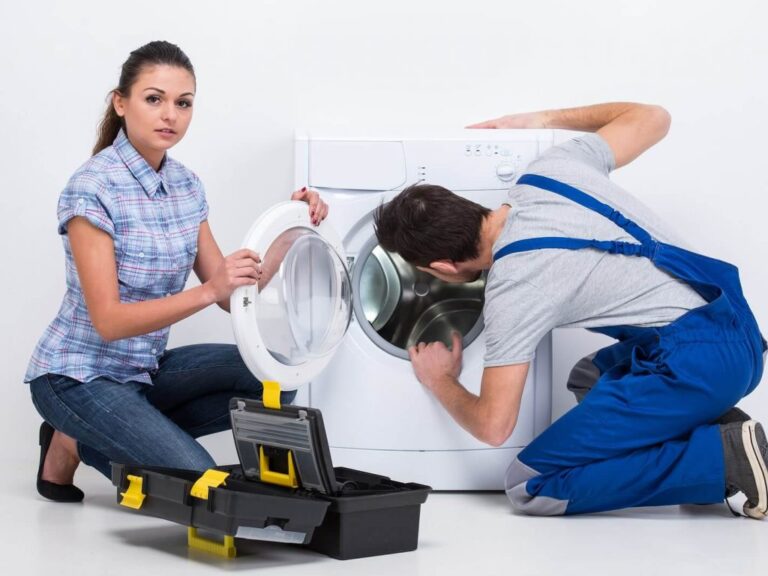
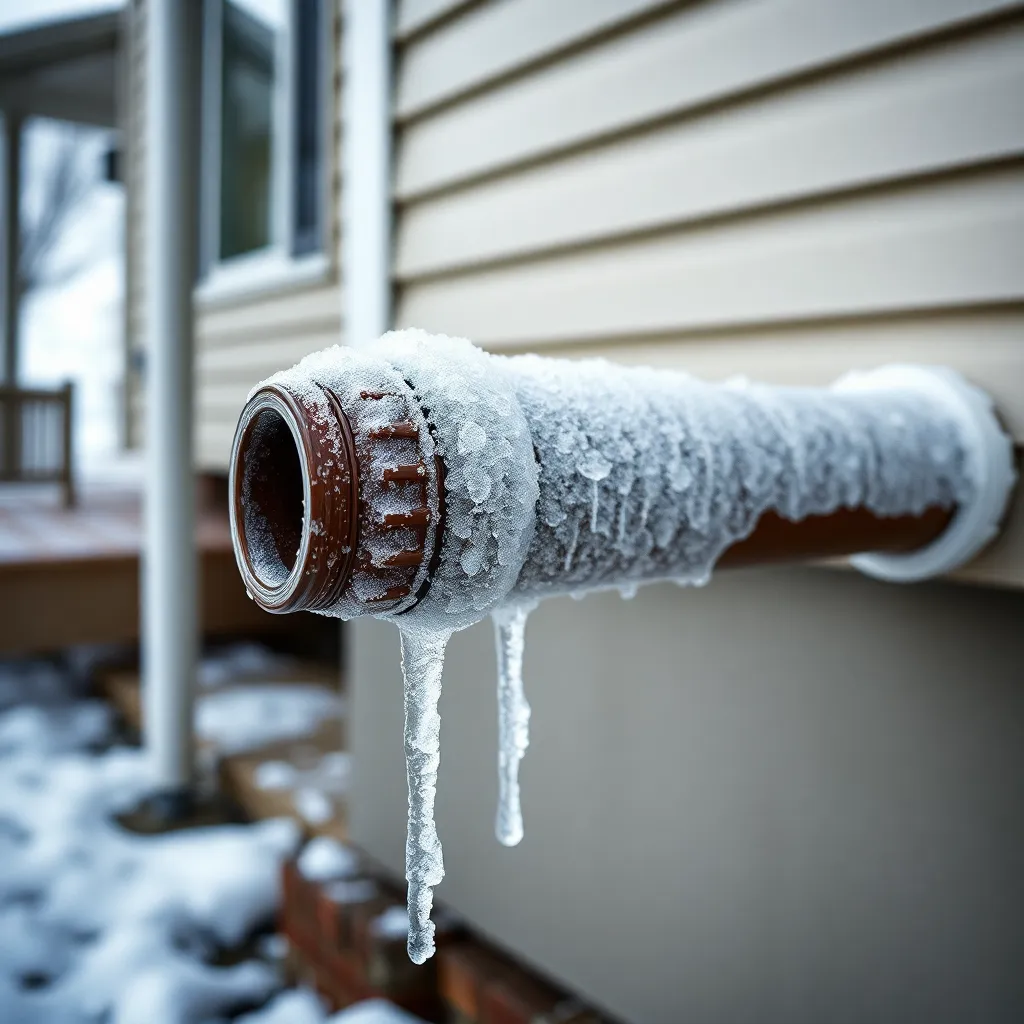
If your washing machine is in a garage, unheated basement, or laundry area near exterior walls, it’s vulnerable to freezing. Water trapped in hoses, the pump, and the drum can freeze, expand, and crack components — leading to leaks or total failure when things thaw out.
What to Do
- Insulate exposed water supply lines with foam pipe insulation.
- After the last wash of the day, run a spin-only cycle to drain as much water from the machine as possible.
- If temperatures drop below freezing in the room, consider leaving cabinet doors open under the sink to allow warm air to reach pipes.
- If you’re going away for an extended period, shut off the water supply to the washer and disconnect the hoses to drain them completely.
Maintain Your Dryer Vent
Winter is when your dryer works hardest — heavier clothing, more laundry, and colder incoming air all increase the workload. A clean, unobstructed vent is essential for both efficiency and safety.
What to Do
- Disconnect the dryer vent from the back of the machine and clean out accumulated lint with a vent brush or vacuum.
- Check the exterior vent flap — make sure it opens freely and isn’t blocked by debris, ice, or snow.
- Verify the vent duct is rigid metal, not flexible foil, for both performance and fire safety.
- If your dryer seems to take longer than usual to dry clothes, a restricted vent is the most likely cause. See our guide on why dryers take too long for more detail.
Prepare Your Refrigerator
Your refrigerator doesn’t hibernate in winter — in fact, holiday entertaining often pushes it harder than any other time of year. A little maintenance now prevents problems later.
What to Do
- Clean the condenser coils (located behind or underneath the fridge). Dusty coils force the compressor to work harder, shortening its life and increasing energy use.
- Check door seals by closing the door on a piece of paper — if it slides out easily, the seal isn’t tight enough and cold air is escaping, making the compressor run more often.
- Clear space around the fridge for proper air circulation. Holiday food overflow often means items are stacked against the back wall, blocking airflow and causing uneven cooling.
- If you have a second fridge in the garage, be aware that most refrigerators aren’t designed to operate in near-freezing ambient temperatures. The compressor may not run often enough, causing the freezer section to thaw.
Winterize Your Dishwasher
Your dishwasher is generally safe from freezing if it’s in a heated kitchen, but there are still cold-weather considerations.
What to Do
- Run the hot water tap at the kitchen sink before starting the dishwasher. In winter, it takes longer for hot water to reach the kitchen — starting with cold water means a less effective wash cycle.
- Clean the filter and spray arms. Holiday cooking increases the load on your dishwasher, and grease-heavy holiday meals can clog the filter faster.
- If your dishwasher is against an exterior wall, check for drafts that might affect the water supply line.
Check Your Oven and Range
Your oven sees heavy use during the holiday season. A little pre-season check ensures it’s ready.
What to Do
- Test the oven temperature with an oven thermometer — if it’s off by more than 15°C, the temperature sensor may need calibration or replacement.
- Inspect the door seal for cracks or gaps. A worn seal lets heat escape, causing uneven cooking and wasted energy.
- Clean the oven before the holiday cooking rush. Baked-on residue can smoke, affect food flavor, and trigger smoke detectors at the worst possible time.
Protect Outdoor and Garage Appliances
If you have appliances in unheated spaces — a garage freezer, a laundry room in an unheated addition, or any appliance near exterior walls — they need extra attention.
What to Do
- Insulate any exposed water lines with foam pipe covers.
- Check that the space stays above freezing — even a small space heater on a thermostat can prevent pipe freezing.
- If you’re winterizing a vacation property, drain all appliances completely: run a spin cycle on the washer to empty it, and disconnect and drain all water supply hoses.
General Winter Energy Tips
- Run your dishwasher and washing machine with full loads only — fewer cycles means less energy and water used.
- Wash clothes in cold water when possible. Modern detergents clean effectively in cold water, and you save the energy cost of heating.
- Keep your fridge and freezer full (but not overpacked). A full unit retains cold better than an empty one when the door is opened.
When to Call a Professional
If you notice any of these warning signs heading into winter — a refrigerator not maintaining temperature, a dryer taking unusually long, a washer making new noises, or an oven running hot or cold — address the issue now rather than in the middle of a cold snap or holiday event. Tech Angels Appliance Repair provides fast, reliable service throughout the Greater Vancouver area. Call (604) 265-3565 to schedule a pre-winter checkup.
Final Thoughts
Winter-proofing your appliances isn’t complicated or expensive — it’s mostly about cleaning, checking, and protecting against the cold. An hour of preventive maintenance now can save you from an emergency repair in January. Your appliances work hard for you year-round; give them a little seasonal attention and they’ll return the favor.