There’s nothing quite like the aroma of freshly baked cookies or a perfectly roasted chicken coming out of your oven. But what if your oven isn’t actually cooking at the temperature you think it is? Oven calibration—the accuracy of your oven’s temperature—is crucial for successful cooking and baking. When your oven is properly calibrated, your food cooks evenly and at the right pace. When it’s not, recipes fail, meals burn, and cooking becomes frustratingly unpredictable.
Many home cooks don’t realize that ovens can lose their calibration over time. Regular use, wear and tear, and component failures all contribute to temperature drift. If your oven needs professional calibration, there are usually telltale signs. Recognizing these warning signals helps you address the problem before it ruins your next dinner party or batch of baked goods.
Understanding Oven Calibration and Why It Matters
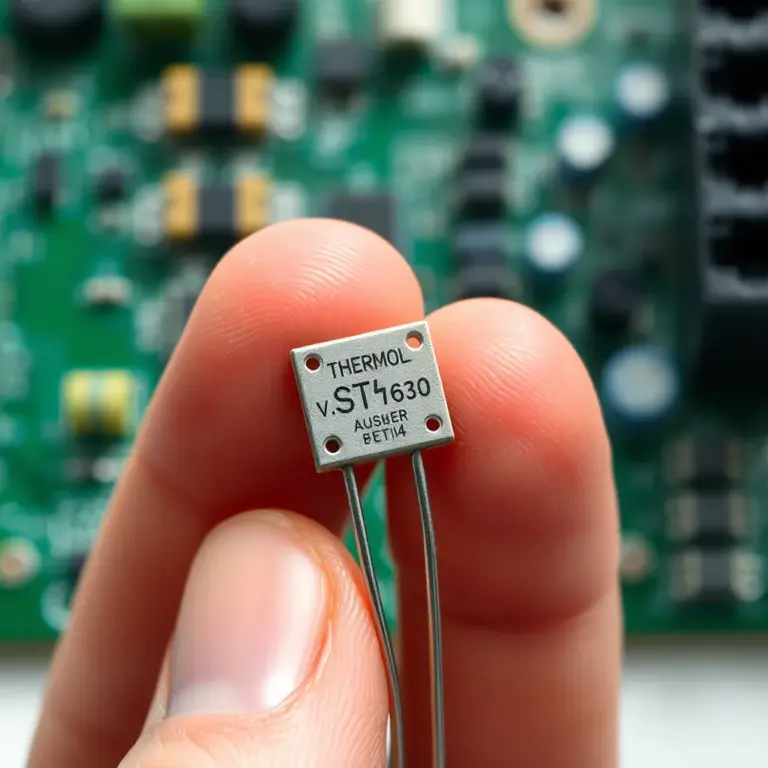
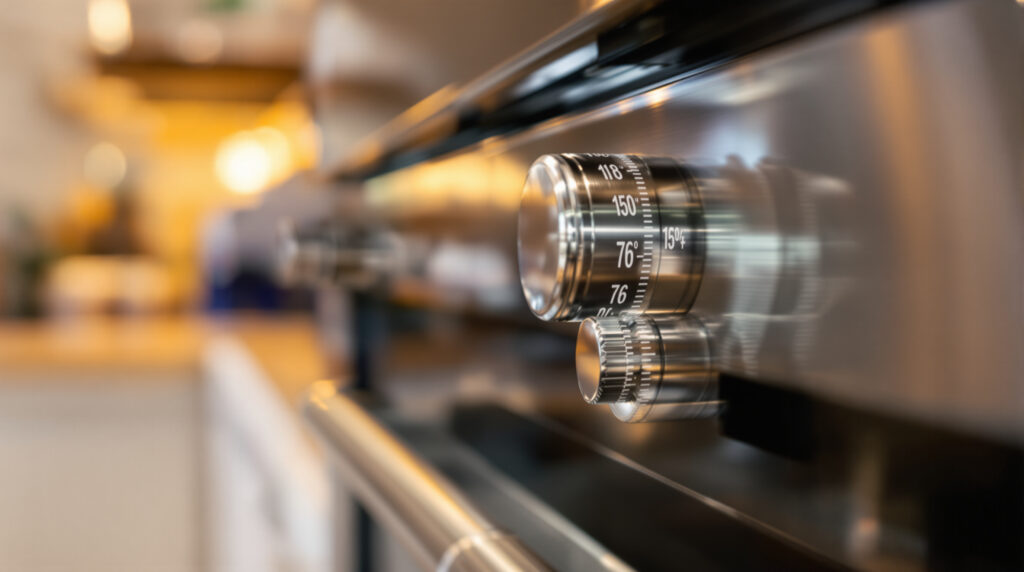
Oven calibration refers to the accuracy of your oven’s internal thermostat. Most ovens use a heating element (electric ovens) or burners (gas ovens) controlled by a thermostat. The thermostat measures the temperature inside the oven and tells the heating elements when to turn on and off to maintain the desired temperature.
Over time, the thermostat sensor can drift. This means when you set your oven to 350 degrees Fahrenheit, the actual temperature inside might be 340 degrees or 365 degrees. This seemingly small difference has real consequences. Baking is a science that depends on precise temperatures. A recipe that calls for 375 degrees won’t work properly if your oven is actually 25 degrees cooler.
Professional calibration involves either adjusting the thermostat or replacing it if it’s beyond repair. This ensures your oven maintains the temperature you set, allowing you to cook with confidence and consistency.
Sign #1: Uneven Cooking and Hot Spots
One of the most obvious signs that your oven needs calibration is uneven cooking. If the back of your cookies is dark brown while the front is barely golden, or if one side of your roasted vegetables is soft while the other is still firm, uneven heat distribution is the culprit.
Some unevenness is normal—most ovens have hot spots where heat is more concentrated. However, if the difference is dramatic, calibration problems might be part of the issue. A thermostat that’s reading temperature inaccurately can cause one area of the oven to be much hotter or cooler than another.
What You Can Try First: Use an oven thermometer (a simple, inexpensive tool you can buy at any grocery store) to check if the oven’s actual temperature matches the display. Place the thermometer in the center of the oven, set the oven to 350 degrees, let it preheat fully, and then check the thermometer reading. If there’s more than a 25-degree difference, professional calibration is likely needed.
Sign #2: Cooking Times Are Consistently Off
You’ve been making the same recipes for years. You know exactly how long your favorite casserole takes to cook or how long it takes to bake your go-to brownies. Recently, these familiar dishes are taking significantly longer to cook, or they’re done way too fast.
If cooking times are consistently off in the same direction—everything takes longer or everything finishes faster—your oven’s calibration is almost certainly the issue. Your oven might be running cooler or hotter than it should be, affecting everything you cook.
Keep Track of Changes: Start noting when things cook faster or slower than expected. If you’re seeing a consistent pattern over multiple cooking attempts, document it. This information helps a technician diagnose and fix the problem.
Sign #3: Your Thermostat Display Doesn’t Match Reality
The most direct way to know your oven needs calibration is when you verify that the displayed temperature doesn’t match the actual temperature inside.
The Oven Thermometer Test: This is the gold standard test. Purchase a basic oven thermometer (they cost about $5-15). Place it on the oven rack, set your oven to 350 degrees, and let it fully preheat. Once the oven beeps that it’s preheated, check the thermometer. If it reads significantly different from 350 degrees, your oven is miscalibrated.
Professional technicians often accept temperature variations of up to 25 degrees in either direction as normal. However, if the difference is 50 degrees or more, professional calibration is definitely needed.
Sign #4: Baking Consistently Fails
Baking is where oven calibration matters most. Cakes, cookies, bread, and pastries all depend on precise temperatures. If you’re a decent baker but your results have become unpredictable—cakes don’t rise properly, cookies spread too much, bread crusts burn before the inside cooks—your oven’s temperature accuracy might be the problem.
When home bakers suddenly experience failure with recipes that used to work, the first thing to check is oven calibration. Many people assume they’re doing something wrong, when really, it’s their oven that’s drifted out of calibration.
Baking Troubleshooting: If baking is suddenly problematic, verify your oven temperature with an oven thermometer before adjusting your recipes or technique. Once you know the actual temperature, you can either adjust for it or have a professional recalibrate your oven.
Sign #5: Your Oven Is Aging or Has Seen Heavy Use
Older ovens are more likely to have calibration issues. If your oven is more than 10 years old or if you use it heavily (running it daily or multiple times per day), calibration drift is increasingly likely.
The heating elements and thermostat components wear out with regular use. Even if your oven still works fine, the thermostat accuracy can deteriorate. If your oven is aging and you’re noticing any of the other signs we’ve mentioned, professional calibration is worth considering.
Sign #6: Your Oven Won’t Preheat to the Right Temperature
When you set your oven to 400 degrees, it should preheat to exactly 400 degrees and then maintain that temperature. If your oven heats to 380 degrees and stops, or if it keeps heating until it reaches 420 degrees, something is wrong with the thermostat.
Watch the Preheat Cycle: Pay attention to your oven’s behavior during preheating. Does it seem to heat more slowly than it used to? Does the preheat indicator take a long time to come on? These could indicate a thermostat that’s not reading temperature correctly.
The Professional Calibration Process
When a professional comes to calibrate your oven, here’s what they typically do:
Temperature Verification: They’ll place professional-grade thermometers in your oven and test it at various temperature settings (usually 350, 400, and 450 degrees). These professional thermometers are much more accurate than consumer-grade oven thermometers.
Adjustment or Replacement: If the thermostat can be adjusted, the technician will recalibrate it. Some ovens have an adjustment screw or mechanism that allows fine-tuning. If the thermostat is faulty and can’t be adjusted, it will need to be replaced.
Final Verification: After adjustment or replacement, the technician will test again to ensure your oven now maintains the correct temperature across multiple settings.
DIY Adjustments (When Possible)
Some ovens allow for simple adjustments that homeowners can make. If your oven has a thermostat adjustment mechanism (often found behind the control panel), you might be able to make minor adjustments yourself. However, this requires opening up your oven and adjusting internal components, which can be risky if you’re not experienced.
Why Professional Calibration Is Better: Professional technicians have specialized thermometers that are more accurate than consumer versions. They know how to properly adjust or replace thermostats without damaging other components. If something goes wrong, they’re insured and can fix it. DIY adjustments risk making the problem worse.
If you’re handy with tools and your oven’s manual provides calibration instructions, you might give it a try. But if you’re not confident, professional help is worth the investment.
Beyond Calibration: Other Oven Problems
While we’ve focused on calibration, it’s worth noting that other oven issues can cause cooking problems. If you’ve verified that calibration is the issue, great—you know what to fix. If your temperature seems correct but cooking is still problematic, something else might be wrong.
Common oven problems include faulty heating elements, problems with the door seal, or issues with the convection fan in convection ovens. For more information on oven issues, check out our guide to what to do when your oven won’t turn on and our article on deep cleaning your oven naturally.
Maintenance Tips to Preserve Calibration
While you can’t completely prevent calibration drift, proper maintenance helps your oven stay accurate longer:
- Keep your oven clean. Built-up debris and grease can affect how well the heating elements work
- Don’t place items directly on the oven floor—use racks to maintain proper air circulation
- Avoid opening the door frequently during cooking, as it causes temperature fluctuations
- Use oven liners carefully—make sure they don’t block vents or heating elements
- Have your oven serviced regularly if you use it heavily
Getting Professional Calibration Service in Vancouver
If you’re in the Vancouver area and suspect your oven needs calibration or repair, Tech Angels provides professional oven repair and calibration services. Our experienced technicians can quickly assess your oven’s temperature accuracy and make any necessary adjustments or repairs.
We serve Vancouver, Burnaby, Coquitlam, North Vancouver, Port Moody, New Westminster, Surrey, Richmond, Port Coquitlam, and West Vancouver. Call us at (604) 265-3565 or book online to schedule your service.
Conclusion
Your oven is one of the most-used appliances in your kitchen, and when it’s not cooking at the right temperature, everything suffers. If you’ve noticed any of the signs we’ve discussed—uneven cooking, cooking time changes, baking failures, or temperature display issues—your oven likely needs professional calibration. This is a straightforward repair that makes a huge difference in cooking performance. Don’t settle for an inaccurate oven. Get it professionally calibrated and get back to cooking with confidence.
Temperature Swings and Inconsistent Results
One of the clearest signs your oven needs professional calibration is when you get wildly inconsistent results from the same recipe. One week your cookies bake perfectly in 12 minutes; the next week the same recipe needs 18 minutes. This inconsistency points to temperature fluctuations.
The Problem: Your oven’s thermostat might be cycling temperatures too dramatically. Instead of maintaining a steady temperature like 350 degrees, it might swing between 340 and 365 degrees. These swings are outside what recipes account for, leading to inconsistent cooking.
Professional Calibration Solution: A technician can check your thermostat’s accuracy and adjust it to maintain steady temperatures. This is one of the most important services for bakers and cooking enthusiasts in Vancouver.
Using an Oven Thermometer for Diagnosis
Before calling for professional calibration, you can use an affordable oven thermometer to diagnose whether your oven actually has a calibration problem. These inexpensive devices tell you the real internal temperature of your oven.
The Test: Place an oven thermometer in the center of your oven and preheat to 350 degrees Fahrenheit. Once preheated, check the thermometer. If it reads significantly different from 350 degrees (more than 10-15 degrees off), your oven likely needs calibration.
Important Note: Some ovens have built-in adjustment mechanisms that let you fine-tune the temperature without professional service. Check your owner’s manual. However, for accurate professional calibration, it’s best to let an expert handle it.
Calibration Costs and How to Prepare
Professional oven calibration typically costs between $150 and $300, depending on your oven model and whether additional repairs are needed. This is a reasonable investment if it means your oven works properly for years to come.
When you call for oven calibration service in Vancouver, describe the symptoms you’re experiencing. Are your baked goods burning? Is everything cooking too slowly? This information helps the technician diagnose the problem quickly.
Maintenance to Prevent Calibration Problems
While some calibration drift is inevitable over time, you can minimize problems with proper care. Keep your oven clean—excessive buildup of grease and food particles can affect heat distribution and thermostat accuracy. Clean your oven interior at least quarterly.
Avoid slamming the oven door, as sudden impacts can disturb calibration. Don’t cover oven racks with foil, as this can block proper heat circulation and confuse the thermostat. Use your oven’s temperature settings as intended rather than trying to compensate for inaccuracies.
When Calibration Isn’t Enough
Sometimes an oven needs more than just calibration. If your thermostat sensor has failed or your heating element is malfunctioning, simple adjustment won’t fix the problem. A professional inspection can determine whether calibration alone will solve your issues or if component replacement is necessary.
Tech Angels in Vancouver serves homeowners with professional oven calibration and repair. We can quickly diagnose your oven’s problems and recommend the right solution, whether that’s simple calibration or more extensive repairs.
The Bottom Line
If your oven isn’t cooking properly and professional calibration hasn’t been done recently, it’s worth investigating. Most ovens benefit from calibration after a few years of heavy use. Once properly calibrated, your oven will deliver consistent, reliable cooking results—whether you’re a casual cook or serious baker. Contact Tech Angels for professional oven calibration and repair in Vancouver.