As a landlord, maintaining rental properties involves more than collecting rent and addressing tenant complaints; it requires ensuring that all aspects of the property, including essential household appliances, remain functional and reliable. Appliance repair is a critical responsibility that directly impacts tenant satisfaction, property value, and operational efficiency. When appliances like refrigerators, ovens, or washing machines malfunction, prompt and effective repairs can prevent minor issues from escalating into costly replacements or tenant disputes. This article examines the importance of appliance repair for landlords, highlighting the financial, legal, and practical benefits, as well as effective strategies for managing repairs.
The Role of Appliances in Rental Properties
Appliances are the backbone of a functional rental property. Tenants expect working refrigerators, stoves, dishwashers, washers, dryers, and HVAC systems as part of a livable home. These appliances enhance the property’s appeal, making it easier to attract and retain quality tenants. However, wear and tear are inevitable, especially in high-use environments like rental units. Regular maintenance and timely repairs ensure these appliances continue to meet tenant needs and comply with housing standards.
Neglecting appliance maintenance can lead to breakdowns, tenant dissatisfaction, and even legal issues. For example, a broken refrigerator can disrupt a tenant’s daily life, leading to complaints or requests for rent reductions. In extreme cases, failure to address appliance issues may violate implied warranty of habitability laws, which require landlords to provide safe and livable conditions. By prioritizing appliance repair, landlords can avoid these pitfalls and maintain a positive relationship with tenants.
Financial Benefits of Timely Appliance Repair
One of the most compelling reasons for landlords to prioritize appliance repair is the financial savings it offers. Repairing an appliance is often significantly cheaper than replacing it. For instance, fixing a faulty motor in a washing machine might cost a few hundred dollars, while a new unit could set you back $1,000 or more. By addressing issues early, landlords can extend the lifespan of appliances, delaying the need for costly replacements.
Additionally, well-maintained appliances operate more efficiently, reducing utility costs for tenants. Energy-efficient appliances, such as modern refrigerators or HVAC systems, can lower electricity or gas bills, making the property more attractive to cost-conscious renters. This efficiency can also enhance the property’s marketability, allowing landlords to justify higher rental rates.
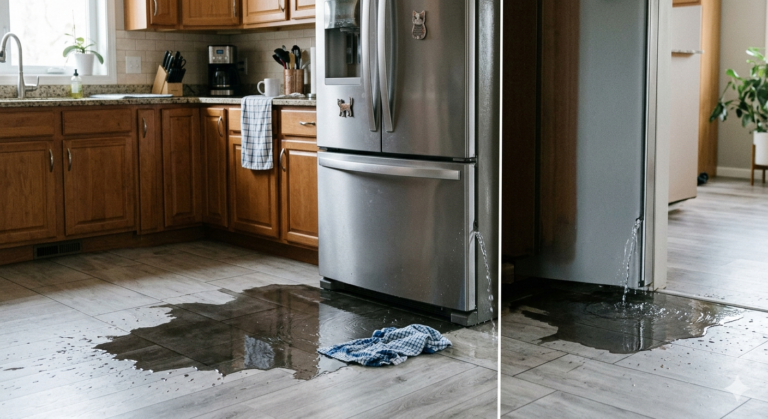
Timely repairs also prevent secondary damage. A leaking dishwasher, for example, can damage flooring or cabinetry if left unaddressed, resulting in expensive repairs that extend beyond the appliance itself. By investing in prompt repairs, landlords protect their property’s overall condition and avoid unexpected expenses.
Tenant Retention and Satisfaction
Tenant retention is a top priority for landlords, as turnover is both costly and time-consuming. The average cost of tenant turnover in Canada can range from $1,000 to $5,000 when factoring in cleaning, repairs, advertising, and lost rent during vacancy periods. Functional appliances play a significant role in keeping tenants happy and encouraging lease renewals.
When appliances break down, tenants expect quick resolutions. A landlord who responds promptly to repair requests demonstrates reliability and care, fostering goodwill. Conversely, delays or neglect can frustrate tenants, prompting them to seek alternative housing. For example, a malfunctioning oven can disrupt meal preparation, while a broken washer forces tenants to rely on laundromats, creating inconvenience and dissatisfaction.
By ensuring appliances are in good working order, landlords create a positive living experience. Happy tenants are more likely to renew their leases, reducing turnover costs and maintaining steady rental income. Moreover, satisfied tenants are more likely to recommend the property to others, helping landlords attract new renters through word-of-mouth referrals.
Legal and Regulatory Considerations
In Canada, landlords are legally obligated to maintain rental properties in a state of good repair, which includes ensuring that appliances function properly. Provincial tenancy laws, such as Ontario’s Residential Tenancies Act or British Columbia’s Residential Tenancy Act, require landlords to repair and maintain appliances provided as part of the rental agreement. Failure to do so can result in tenant complaints to provincial tenancy boards, potential fines, or orders to complete repairs.
For example, if a refrigerator stops working and the landlord fails to address it promptly, the tenant may file a complaint or request a rent abatement. In severe cases, tenants may be entitled to terminate the lease early without penalty. By staying proactive with appliance repairs, landlords can avoid legal disputes and ensure compliance with regulations.
Additionally, some municipalities have specific requirements for rental properties, such as energy efficiency standards or safety certifications for appliances like gas stoves or furnaces. Regular maintenance and repairs help landlords meet these standards, reducing the risk of penalties or legal challenges.
The Importance of Refrigerator Repair
Among the many appliances in a rental property, refrigerators are particularly critical. A broken refrigerator can disrupt a tenant’s ability to store food safely, leading to spoilage and health concerns. Refrigerator repair is often a high-priority issue, as tenants rely on this appliance daily. Common problems, such as a malfunctioning compressor, faulty thermostat, or leaking coolant, can often be fixed at a fraction of the cost of a new unit. By addressing refrigerator issues promptly, landlords prevent tenant inconvenience and avoid the expense of replacing an otherwise salvageable appliance.
Moreover, modern refrigerators are complex systems equipped with features such as ice makers, water dispensers, and smart technology. These components require specialized knowledge to repair, making it essential for landlords to work with qualified technicians who can accurately diagnose and fix issues. Proactive refrigerator repair not only restores functionality but also ensures the appliance operates efficiently, thereby reducing energy costs for tenants.
Strategies for Effective Appliance Repair Management
To manage appliance repairs effectively, landlords should adopt a proactive and organized approach to maintenance. Here are some practical strategies:
1. Regular Maintenance Schedules
Preventive maintenance is key to minimizing unexpected breakdowns. Landlords should schedule regular inspections of appliances, particularly those with high usage, such as refrigerators, ovens, and washers. For example, cleaning refrigerator coils, checking dishwasher seals, or servicing HVAC systems can prevent major issues. Maintenance schedules can be coordinated with tenant move-ins or move-outs to minimize disruption.
2. Build Relationships with Reliable Technicians
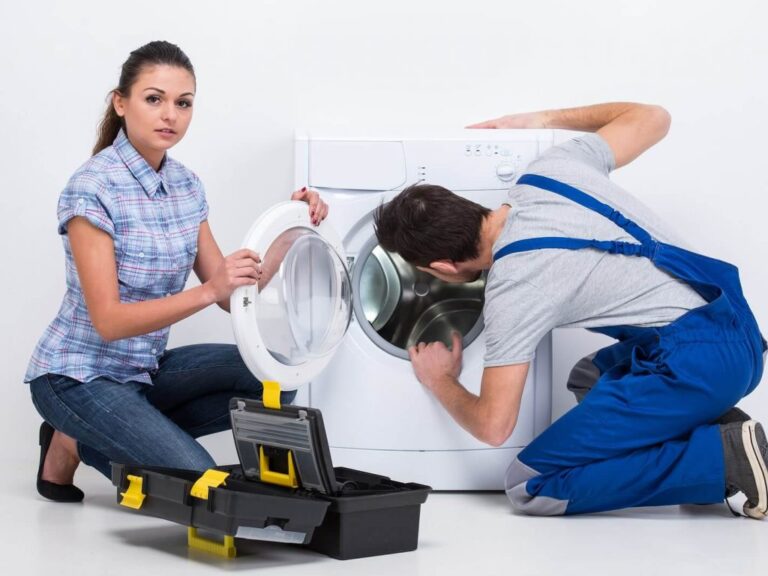
Having a network of trusted repair professionals is invaluable. Landlords should research and partner with licensed, experienced technicians who specialize in appliance repair. Establishing these relationships ensures faster response times and consistent service quality. It’s also helpful to negotiate rates or service agreements for multiple properties to reduce costs.
3. Document Repair History
Keeping detailed records of appliance repairs and maintenance is essential for tracking costs, identifying recurring issues, and planning replacements. For example, if a dishwasher requires frequent maintenance, it may be more cost-effective to replace it with a newer, more reliable model. Repair records also provide evidence of compliance with tenancy laws in the event of disputes.
4. Educate Tenants on Proper Appliance Use
Tenants may inadvertently cause appliance issues through improper use, such as overloading washing machines or neglecting to clean lint filters in dryers. Landlords can provide tenants with guidelines or manuals for appliance use to prevent damage. Clear communication about reporting issues promptly can also help catch problems early.
5. Consider Warranty and Insurance Options
When purchasing new appliances, landlords should opt for models with extended warranties to cover repair costs during the initial years. Additionally, some landlord insurance policies include coverage for appliance repairs or replacements, which can offset expenses. Reviewing insurance options and warranty terms can provide financial protection.
6. Plan for Replacements
While repairs can extend the life of an appliance, there comes a point when replacement is more cost-effective. Landlords should budget for eventual replacements and choose energy-efficient, durable models to maximize long-term savings. When replacing appliances, consider tenant preferences and market trends to enhance the property’s appeal.
Balancing Cost and Quality
When managing appliance repairs, landlords must strike a balance between cost and quality. Opting for the cheapest repair option may lead to recurring issues, while over-investing in high-end repairs for older appliances may not be cost-effective. To make informed decisions, landlords should:
- Obtain Multiple Quotes: Compare estimates from different technicians to ensure fair pricing without compromising quality.
- Evaluate Repair vs. Replacement: Consider the appliance’s age, repair cost, and expected lifespan. A general rule is to replace an appliance if the repair cost exceeds 50% of the replacement cost.
- Invest in Energy Efficiency: When repairs or replacements are needed, prioritize energy-efficient models to reduce utility costs and appeal to environmentally conscious tenants.
The Environmental Impact of Appliance Repair
In addition to financial and practical benefits, appliance repair aligns with sustainable property management. Repairing appliances instead of replacing them reduces waste and the demand for new manufacturing, which has a significant environmental footprint. For example, repairing a refrigerator’s compressor rather than discarding the unit conserves resources and reduces landfill waste.
Energy-efficient repairs, such as fixing an HVAC system to optimize performance, also contribute to lower energy consumption. This not only benefits the environment but also aligns with the growing demand of tenants for eco-friendly living spaces. By prioritizing repairs and choosing energy-efficient appliances, landlords can position their properties as sustainable and attractive to modern renters.
Addressing Common Appliance Issues
Landlords should be aware of common appliance issues to anticipate repair needs. Some frequent problems include:
- Refrigerators: Warm temperatures, unusual noises, or leaks often indicate issues with the compressor, thermostat, or coolant system.
- Ovens and Stoves: Uneven heating, faulty burners, or electrical issues may require recalibration or replacement of parts.
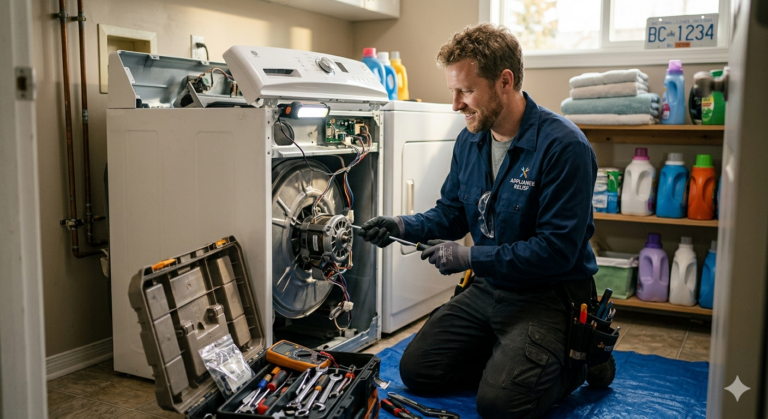
- Washers and Dryers: Leaks, excessive vibrations, or failure to spin can stem from worn belts, motors, or drainage problems.
- Dishwashers: Poor cleaning performance or leaks may result from clogged filters, faulty pumps, or worn seals.
- HVAC Systems: Inconsistent temperatures or unusual noises often indicate issues with thermostats, filters, or ductwork.
By understanding these common issues, landlords can communicate effectively with technicians and ensure repairs are completed efficiently.
The Long-Term Value of Appliance Repair
Investing in appliance repair is not just about addressing immediate issues; it’s about protecting the long-term value of a rental property. Functional appliances enhance tenant satisfaction, reduce turnover, and maintain the property’s marketability. They also contribute to cost savings by extending appliance lifespans and preventing secondary damage.
Moreover, well-maintained appliances can increase a property’s resale value. Prospective buyers or investors often evaluate the condition of appliances when assessing a property’s worth. By demonstrating a history of diligent maintenance and timely repairs, landlords can justify higher asking prices and attract serious buyers.
Conclusion
Appliance repair is a critical aspect of successful property management for landlords. By addressing repairs promptly, landlords can save money, ensure tenant satisfaction, comply with legal obligations, and enhance the long-term value of their properties. Implementing proactive maintenance, building relationships with reliable technicians, and educating tenants on proper appliance use are practical steps to streamline repair processes. Ultimately, prioritizing appliance repair is an investment in the property’s functionality, sustainability, and profitability, benefiting both landlords and tenants alike.