Your freezer works quietly in the background, keeping food preserved and ice cream at the perfect consistency. But when problems arise, they can range from mildly annoying to food-safety emergencies. The good news is that many common freezer issues have straightforward fixes you can handle yourself — no technician required.
Here are the five most common freezer problems homeowners face, along with quick, practical solutions for each one.
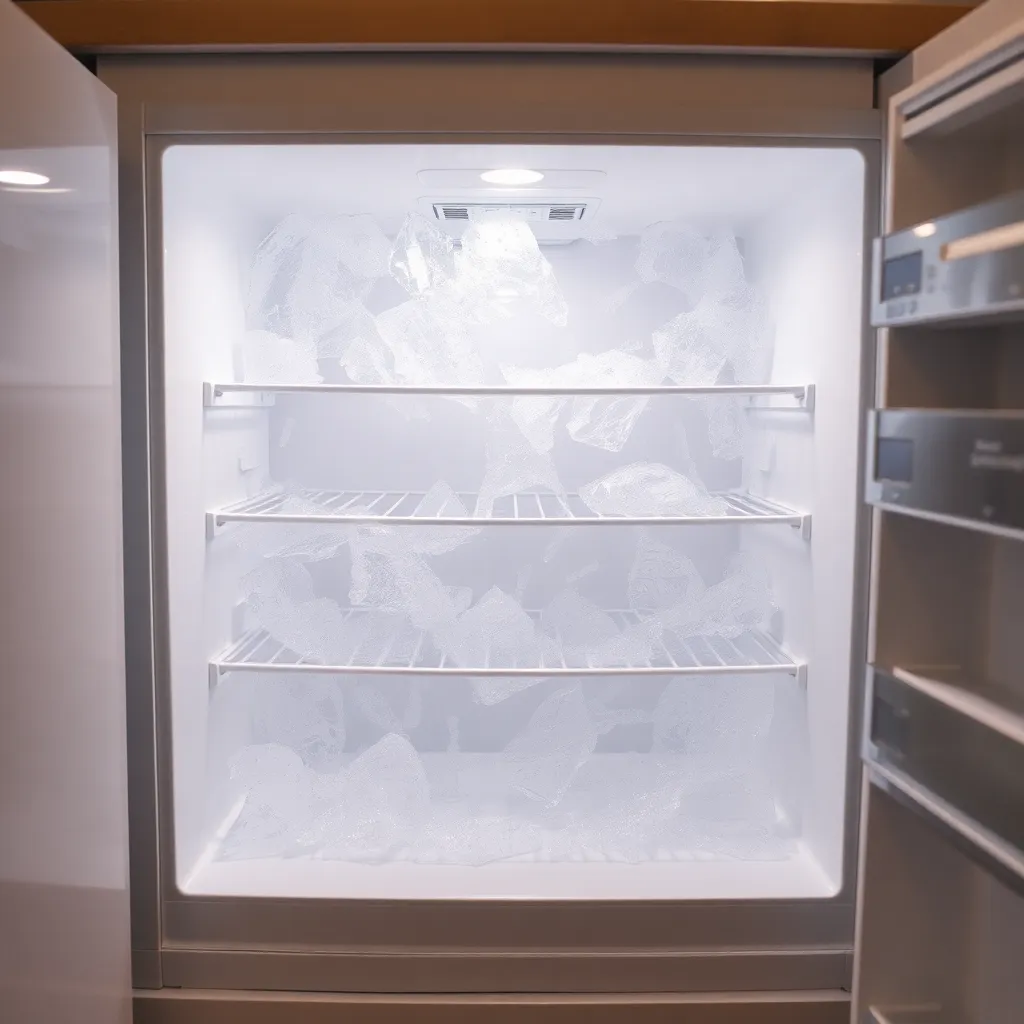
1. Excessive Frost Buildup
The problem: Thick layers of frost or ice accumulating on the freezer walls, shelves, or around the door opening. Food items get encased in frost, and storage space shrinks as ice takes over.
Quick Fixes
- Check the door seal. A worn, dirty, or damaged gasket is the most common cause of frost buildup. Warm, humid air enters every time the seal fails, and the moisture freezes on the interior surfaces. Clean the gasket with warm soapy water and do the paper test — close the door on a dollar bill, and if it slides out easily, the seal needs replacing.
- Don’t leave the door open. Even a few extra seconds of door-open time allows significant moisture to enter. Organize your freezer so you can locate items quickly.
- Check the defrost system. If your frost-free freezer is building up ice, the automatic defrost system may have failed. The defrost heater, thermostat, or timer may need repair. A manual defrost (unplugging the unit for several hours) can temporarily restore function.
- Avoid putting hot food in the freezer. Let food cool to room temperature first. Hot food creates steam that becomes frost.
2. Freezer Isn’t Cold Enough
The problem: Food isn’t staying solidly frozen. Ice cream is soft, meat is partially thawed, and the temperature seems higher than the -18°C (0°F) target.
Quick Fixes
- Check the temperature setting. Someone may have accidentally adjusted the dial or digital control. Reset to the recommended setting.
- Clean the condenser coils. Dust-covered coils reduce the entire system’s cooling capacity. Vacuum or brush the coils (located on the back or underneath the unit) every 6-12 months.
- Check airflow. Don’t overstuff the freezer to the point where air can’t circulate. Leave space between items and don’t block the air vents inside the compartment.
- Listen for the compressor and fans. If the compressor isn’t running or the evaporator fan isn’t spinning, the freezer can’t maintain temperature. Fan or compressor issues require professional refrigerator repair.
3. Freezer Is Too Cold or Freezing Everything Solid
The problem: Items come out rock-hard. Bread is impossible to separate. The freezer seems much colder than necessary, which wastes energy and makes food harder to use.
Quick Fixes
- Adjust the temperature setting. The target is -18°C (0°F). If the dial is set to the coldest position, back it off to the middle setting and give the freezer 24 hours to stabilize.
- Check the thermostat. A faulty thermostat can make the compressor run non-stop, driving temperatures well below the target. If adjusting the dial makes no difference, the thermostat may need replacement.
- Check the damper control (refrigerator-freezer combos). In combined units, a damper controls airflow between the freezer and fridge compartments. If the damper is stuck open, too much cold air flows into the fridge, and the freezer overcompensates by running colder.
4. Strange Noises from the Freezer
The problem: Buzzing, clicking, humming, popping, or gurgling sounds coming from the freezer. Some are normal; others indicate a developing problem.
What’s Normal
- Humming: The compressor running. Normal and expected.
- Clicking: The compressor or defrost timer cycling on and off. Normal.
- Gurgling or hissing: Refrigerant flowing through the system. Normal.
- Popping or cracking: Plastic panels expanding and contracting with temperature changes. Normal.
What’s Not Normal
- Loud buzzing that doesn’t stop: The compressor may be struggling. Check the condenser coils and fan.
- Grinding or scraping: The evaporator fan may be hitting ice buildup or have a failing motor bearing.
- Repeated clicking without the compressor starting: The start relay may be failing, preventing the compressor from running.
For more on refrigerator and freezer sounds, see our post about repairing a refrigerator that’s making strange noises.
5. Water Leaking from the Freezer
The problem: Water pooling inside the freezer, under the freezer, or on the floor in front of the unit.
Quick Fixes
- Clear the defrost drain. This is the most common cause. During the defrost cycle, melted water should flow through a drain hole into a drip pan below the unit. If the drain is clogged with ice or debris, water backs up and pools inside the freezer or leaks onto the floor. Use warm water and a turkey baster to flush the drain, and a pipe cleaner to clear debris.
- Check the drip pan. The drip pan under the refrigerator catches defrost water and allows it to evaporate. If it’s cracked, overflowing, or misaligned, water ends up on the floor. Remove the kick plate at the bottom front of the unit and inspect the pan.
- Check the door seal. A leaking seal allows warm air in, causing excess frost that produces more melt water than the drain system can handle.
- Level the unit. If the refrigerator isn’t level, water may not flow toward the drain hole properly. Tilt the unit slightly backward (most manufacturers recommend a slight rear tilt) so water flows to the drain.
If water is leaking from the refrigerator itself, check out our guide on how to fix a refrigerator that leaks water.
When to Call a Professional
These quick fixes handle the most common freezer problems, but some situations need professional attention: compressor failure, refrigerant leaks, evaporator fan motor replacement, or persistent defrost system issues. If your freezer problem persists after trying the fixes above, Tech Angels Appliance Repair can diagnose and resolve it. Call (604) 265-3565 — we serve the entire Greater Vancouver area.
Final Thoughts
Most freezer problems come down to three things: airflow, temperature control, and moisture management. A clean condenser, a good door seal, an organized interior, and a clear drain handle the vast majority of issues. Stay on top of these basics and your freezer will reliably keep everything perfectly frozen for years to come.