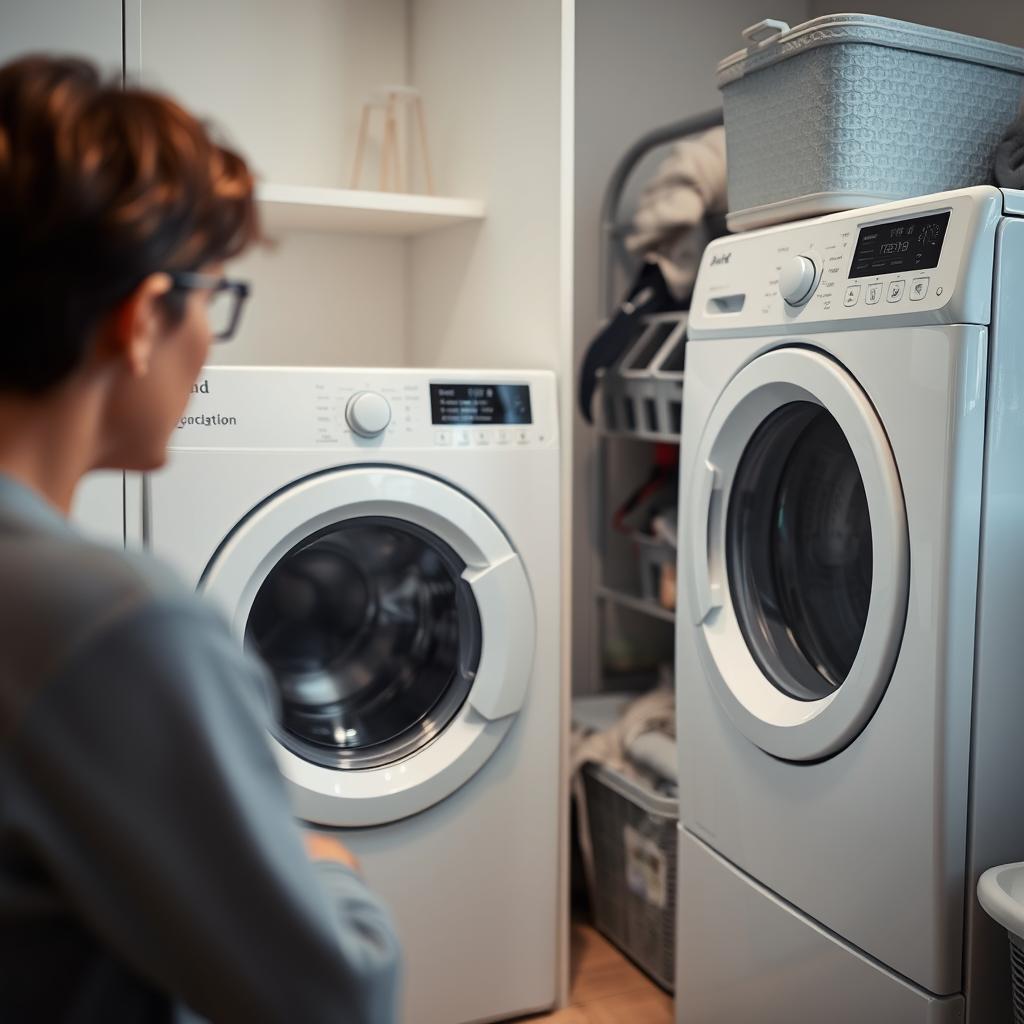
A dryer should produce a steady, low hum while it runs — not banging, screeching, grinding, or thumping sounds that make you wonder if the machine is about to fall apart. If your dryer has started making unusual or loud noises, something is definitely off, and the type of noise it’s making can tell you a lot about what’s wrong.
In this guide, we’ll help you decode the different sounds your dryer might be making, explain what causes each one, and tell you which issues you can tackle yourself versus which ones need professional attention. Whether your dryer is squealing, rumbling, banging, or clicking, we’ve got you covered.
Thumping or Banging Sounds
Clothing Items
The most innocent cause of thumping is something in the load itself — shoes, belt buckles, zippers, or heavy items like jeans hitting the drum as they tumble. Check the load for items that might be causing the noise before assuming a mechanical problem.
Worn Drum Rollers
If the thumping happens even with an empty drum or with light loads, the most likely cause is worn drum rollers. Most dryers have two or four rubber rollers that support the drum as it rotates. Over time, these rollers develop flat spots or wear unevenly, creating a rhythmic thumping with each rotation.
Drum roller replacement is a common dryer repair. It requires removing the front or rear panel to access the rollers. While it’s within reach for experienced DIYers, it involves handling the drum and drive belt, so many homeowners prefer to have it done professionally.
Worn Drum Glides or Slides
Drum glides (also called slides or pads) are small plastic or felt pieces that the front edge of the drum rides on. When they wear thin, the metal drum edge contacts the metal support, creating a thumping or scraping sound. Replacing them is typically done alongside drum roller replacement.
Squealing or Screeching Sounds
Worn Drive Belt
The drive belt is a long, thin rubber belt that wraps around the drum and connects to the motor via an idler pulley. As the belt ages, it can become frayed, cracked, or glazed, causing a high-pitched squealing sound — especially when the dryer first starts up.
A worn belt that isn’t replaced will eventually break, leaving the motor running but the drum stationary. Belt replacement is a relatively affordable repair and one of the more common dryer services we perform.
Worn Idler Pulley
The idler pulley maintains tension on the drive belt. When its bearing wears out, it produces a squealing or chirping noise that typically gets worse over time. The pulley is usually replaced at the same time as the belt, since they work together.
Drum Bearing
At the rear of the drum, a bearing (or a bearing and shaft assembly) supports the drum’s weight on the back side. When this bearing wears, it creates a squealing or grinding sound that increases as the dryer heats up. This is a more involved repair that typically requires removing the drum from the machine.
Grinding or Scraping Sounds
Foreign Objects
Coins, buttons, screws, or other small objects can fall out of pockets and get trapped between the drum and the housing, or caught in the lint trap area. If you hear a metallic scraping or grinding, stop the dryer and check for foreign objects in the drum, lint trap housing, and around the door seal.
Worn Drum Bearing
As mentioned above, a severely worn drum bearing produces a grinding sound. If the bearing has deteriorated to this point, the repair should be done promptly — a failing bearing puts additional stress on the motor and other components, potentially turning a single-part repair into a multi-part one.
Worn Drum Glides
When drum glides are completely worn through, you’ll hear metal-on-metal grinding. This can also leave visible scratches or marks on the inside of the dryer drum or on the front panel.
Rattling or Vibrating Sounds
The Dryer Isn’t Level
The most common cause of rattling and vibration is a dryer that isn’t sitting level on the floor. All four feet need to be making solid contact with the floor, and the machine should be level both front-to-back and side-to-side. Use a level and adjust the levelling feet until the dryer sits stable.
Loose Components
Over years of vibration, screws, panels, and internal components can work loose. If the rattling sounds metallic and tinny, check the external panels and screws. The top panel, rear panel, and front panel should all be securely fastened.
Objects on Top of the Dryer
Laundry baskets, detergent bottles, and other items sitting on top of the dryer can rattle and vibrate during operation. Clear the top of the machine and see if the noise stops.
Clicking or Ticking Sounds
Normal Gas Valve Operation
If you have a gas dryer, periodic clicking is the sound of the gas valve cycling open and closed to regulate heat. This is completely normal operation.
Loose Objects in the Blower Wheel
Lint, small clothing items (like socks), or debris that makes it past the lint trap can get caught in the blower wheel housing. This creates a rhythmic clicking or tapping sound. Accessing the blower wheel typically requires some disassembly but is a manageable DIY task for many homeowners.
Faulty Timer
Older dryers with mechanical timers can develop a clicking sound when the timer contacts begin to fail. If the clicking coincides with dryer functions cutting in and out, the timer may need replacement.
Humming or Buzzing Sounds
Normal Motor Sound
A steady, low hum is the normal sound of the dryer motor running. If the hum is louder than usual, the motor bearings may be starting to wear.
Motor Struggling
If the dryer hums loudly but the drum doesn’t turn (or barely turns), the motor may be straining against a stuck drum, broken belt, or seized bearing. Stop the dryer to prevent motor burnout and diagnose the obstruction.
Quick Diagnosis Chart
- Thumping → Check load contents, then drum rollers and glides
- Squealing → Drive belt, idler pulley, or drum bearing
- Grinding → Foreign objects, worn bearing, or worn glides
- Rattling → Levelling, loose screws, objects on top
- Clicking → Gas valve (normal), blower wheel debris, timer
- Humming → Motor wear, seized component
What You Can Fix Yourself
- Removing foreign objects from the drum and lint trap area.
- Levelling the dryer and tightening loose external screws.
- Clearing objects from on top of the dryer.
- Checking the load for items causing noise (shoes, belt buckles, etc.).
When to Call a Professional
Contact a professional dryer repair technician for:
- Drum roller, glide, or bearing replacement.
- Drive belt and idler pulley replacement.
- Motor diagnosis and replacement.
- Any repair that requires disassembling the dryer.
- Persistent noise that you can’t identify or locate.
- Any noise accompanied by a burning smell, which could indicate a serious safety issue.
Don’t ignore dryer noises — they almost always get worse over time, and a small repair today prevents a bigger (and more expensive) problem tomorrow. For more on dryer safety, read our guide on 5 simple dryer maintenance tips to prevent fires.
Need help with a noisy dryer? Tech Angels Appliance Repair serves Vancouver, Burnaby, Coquitlam, and the entire Lower Mainland. Call us at (604) 265-3565 — we’ll get your dryer running quietly again.