In an era of YouTube tutorials and online forums, it’s tempting to think that any appliance repair is just a DIY video away. And while some basic maintenance tasks are genuinely within reach of a handy homeowner, there’s a significant difference between a DIY fix and a professional repair — and that difference often comes down to training and tools.
In this article, we’ll explore why certified technician training and professional-grade diagnostic tools are essential for reliable, safe, and long-lasting appliance repairs. Whether you’re considering a DIY approach or choosing between repair services, understanding what goes into a professional repair will help you make a more informed decision.
The Complexity of Modern Appliances
Today’s appliances are nothing like the simple mechanical machines of decades past. A modern washing machine, refrigerator, or dishwasher is a sophisticated system that integrates mechanical components, electronic control boards, sensors, motors, and increasingly, Wi-Fi connectivity and software.
Consider a typical front-load washing machine. It contains a variable-speed direct-drive motor, an electronic control board managing dozens of parameters, multiple temperature and pressure sensors, a door lock mechanism with safety interlocks, water inlet valves with electronic controls, and a drain pump with its own motor. Each of these components interacts with the others through the control board, and a problem with one component can trigger symptoms that appear to originate from a completely different part of the machine.
Without proper training in how these systems work together, diagnosing the root cause of a problem is guesswork at best — and guesswork leads to replacing parts that didn’t need replacing, missing the actual issue, or creating new problems in the process.
What Professional Technician Training Covers
Certified appliance repair technicians go through extensive training that covers far more than just “how to swap a part.” Here’s what a proper training program includes:
Electrical Theory and Safety
Appliances run on household electrical power — 120V or 240V circuits that can cause serious injury or death if handled improperly. Technician training covers electrical theory, safe working practices, lockout/tagout procedures, and how to safely test live circuits. This knowledge isn’t optional — it’s the foundation of every safe repair.
Refrigeration Systems
Refrigerators, freezers, and some wine coolers use sealed refrigerant systems. Working on these systems requires understanding thermodynamic principles, refrigerant handling (which is regulated by environmental law in Canada), and specialized equipment for recovery, evacuation, and recharging. Improper handling of refrigerants is both illegal and environmentally harmful.
Electronic Diagnostics
Modern appliance troubleshooting relies heavily on reading error codes, interpreting diagnostic mode data, testing circuit continuity, measuring voltage and resistance, and understanding wiring diagrams. Technicians learn to use multimeters, oscilloscopes, and manufacturer-specific diagnostic software to pinpoint failures with precision.
Brand-Specific Training
Each manufacturer designs their appliances differently. Samsung’s control board architecture is different from LG’s, which is different from Bosch’s. Professional technicians pursue brand-specific certifications that teach them the nuances of each manufacturer’s engineering — where components are located, how to access them, common failure patterns, and how to interpret brand-specific error codes.
Safety Standards and Building Codes
Appliance repairs must comply with Canadian electrical codes and safety standards. A repair that works but doesn’t meet code requirements can create fire hazards, void insurance coverage, or fail a home inspection. Trained technicians understand these requirements and ensure every repair is compliant.
The Professional Toolkit: More Than a Screwdriver
Professional appliance technicians carry a specialized toolkit that goes far beyond what you’d find in a typical home toolbox. Here’s a look at some essential professional tools and why they matter:
Digital Multimeter
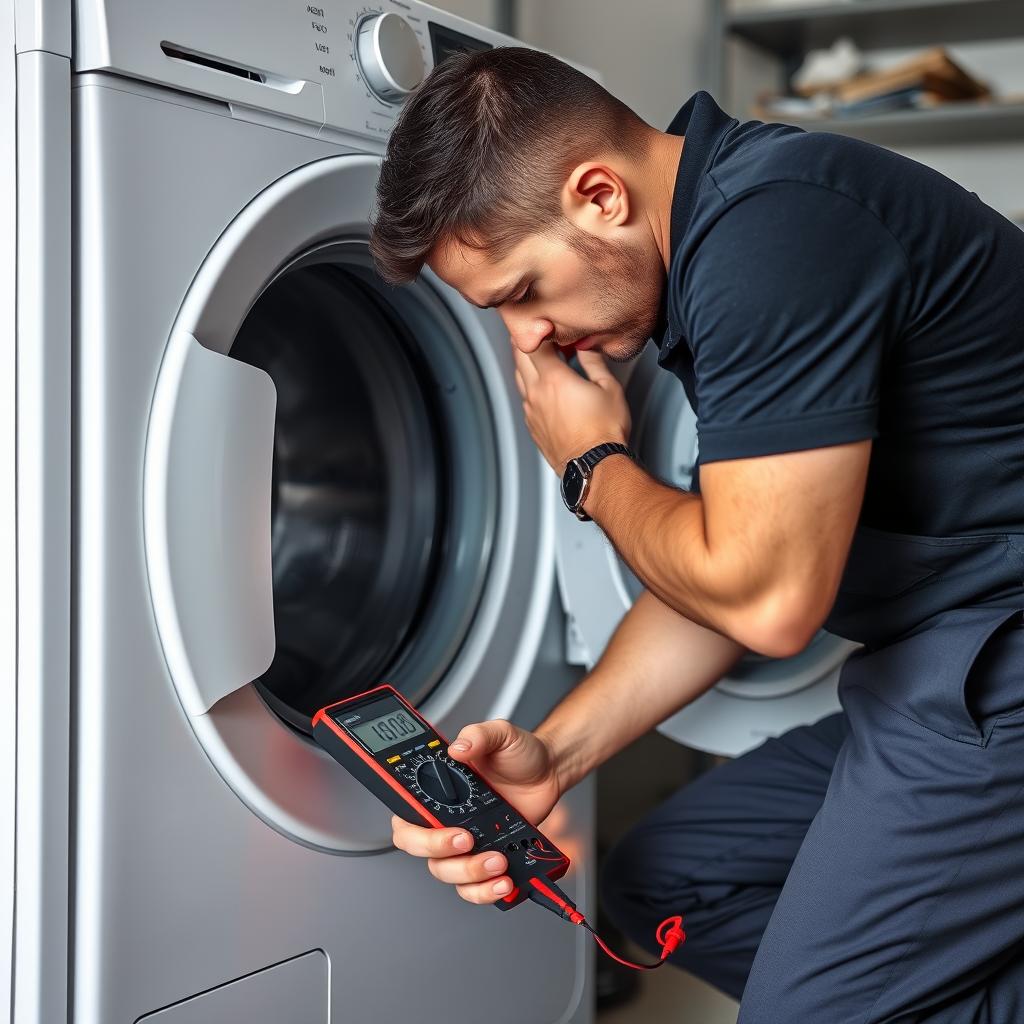
The multimeter is the most important diagnostic tool in an appliance technician’s kit. It measures voltage, current, resistance, and continuity — allowing the technician to test individual components, verify power supply, and trace electrical faults through the circuit. Without a multimeter, you’re essentially diagnosing by trial and error.
Clamp Meter
A clamp meter measures electrical current without requiring direct contact with the wire. This is crucial for safely testing motors, compressors, and heating elements while they’re operating, without disconnecting any wiring.
Megohmmeter (Insulation Tester)
This specialized tool tests the insulation integrity of motors and compressors. A motor can appear to work fine on a standard multimeter test but have degraded insulation that causes intermittent failures, electrical leaks, or eventual catastrophic failure. The megohmmeter catches these hidden problems.
Manometers and Pressure Gauges
For refrigeration work, technicians use pressure gauges to measure refrigerant pressures in the sealed system. These readings, combined with temperature measurements, reveal whether the system is properly charged, has a restriction, or has a leak.
Thermometers and Infrared Temperature Guns
Accurate temperature measurement is essential for diagnosing heating and cooling problems. Infrared guns allow technicians to quickly measure surface temperatures across different components — evaporator coils, heating elements, motor housings — to identify hotspots and performance issues.
Manufacturer Diagnostic Software
Many modern appliances can be connected to manufacturer-specific diagnostic software via USB or Wi-Fi. This software provides deeper diagnostic data than what’s available through the appliance’s built-in diagnostic mode, including component performance history, firmware versions, and detailed error logs.
The Risks of Untrained Repair Attempts
Understanding what professional training and tools bring to the table also means understanding the risks when they’re absent:
Misdiagnosis
Without proper diagnostic tools and training, identifying the actual failed component is difficult. A common scenario: a homeowner replaces an expensive control board because they read online that it might be the issue, only to discover the problem was actually a $15 sensor. The original board was fine — and now they’re out the cost of an unnecessary part.
Electrical Hazards
Working on appliances without understanding electrical safety can result in shock, burns, or electrocution. Some appliance components retain electrical charge even after the machine is unplugged — capacitors, for example, can deliver a dangerous shock if improperly handled.
Voided Warranties
Many manufacturer warranties require that repairs be performed by authorized or certified technicians. A well-intentioned DIY repair can void the remaining warranty on an appliance, leaving you responsible for the full cost of any future repairs.
Creating New Problems
Improper reassembly, incorrect part installation, or damage to adjacent components during a repair attempt can create new problems that are more expensive to fix than the original issue. A loose wire connection, a cross-threaded bolt, or an improperly seated gasket might not cause immediate failure but can lead to problems weeks or months later.
Insurance and Liability
If an improperly repaired appliance causes property damage (water damage from a leaking washer, fire from a faulty dryer repair), your home insurance may not cover the claim if the repair wasn’t performed by a qualified professional.
What to Look for in a Repair Service
When choosing an appliance repair company, look for these indicators of professionalism:
- Certifications and licenses: Look for technicians certified by recognized industry organizations or specific appliance manufacturers.
- Insurance and bonding: A reputable repair service carries liability insurance that protects you if something goes wrong during the repair.
- Warranty on work: Professional services stand behind their repairs with a written warranty on both parts and labour.
- Reviews and reputation: Check Google reviews, BBB ratings, and ask for references. Consistent positive feedback is a strong indicator of quality.
- Transparency: Good technicians explain the problem, show you the failed component, and discuss repair options before proceeding. They won’t pressure you into unnecessary repairs.
At Tech Angels Appliance Repair, our technicians are factory-trained on all major appliance brands and carry professional diagnostic equipment to every service call. We’re BBB A+ rated with a 4.9-star Google rating across 190+ reviews — a reputation built on honest, expert service throughout the Greater Vancouver area.
DIY vs. Professional: Finding the Right Balance
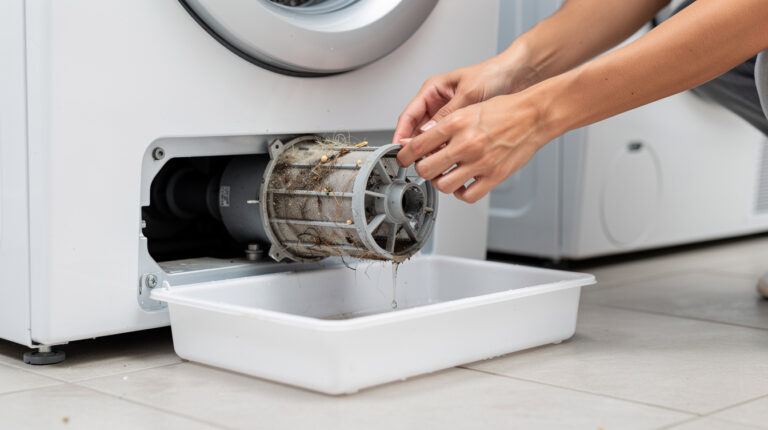
This article isn’t meant to discourage all DIY appliance work. There are plenty of maintenance tasks and minor repairs that homeowners can and should handle themselves — cleaning filters, replacing light bulbs, clearing drain clogs, and performing routine maintenance. These tasks don’t require specialized training or tools and can save you the cost of a service call.
The line between DIY and professional territory is generally drawn at these points:
- Electrical components: If the repair involves the control board, wiring, motor, or any component connected to the main power supply, it’s professional territory.
- Sealed systems: Refrigerant systems, sealed compressor circuits, and sealed drum assemblies require specialized tools and knowledge.
- Diagnostic uncertainty: If you’re not sure what’s wrong, a professional diagnosis prevents expensive trial-and-error part replacement.
- Safety-critical repairs: Door locks, thermal fuses, and any component related to preventing fire or flooding should be handled by professionals.
For more on maintaining your appliances safely, read our article on how appliance repair enhances home safety.
Final Thoughts
The right training and the right tools aren’t luxuries — they’re the foundation of every safe, effective, and lasting appliance repair. When you hire a qualified technician, you’re not just paying for their time — you’re paying for their expertise, their equipment, their ability to diagnose accurately on the first try, and the peace of mind that the job is done correctly and safely.
Need expert appliance repair in Vancouver? Call Tech Angels at (604) 265-3565 or book an appointment online. We bring the training, tools, and experience to get your appliances running right.