Dryer balls — particularly wool dryer balls — have gained a loyal following among eco-conscious homeowners looking for alternatives to conventional dryer sheets and liquid fabric softeners. Proponents claim they reduce drying time, soften clothes, reduce wrinkles, and eliminate static. Skeptics say they’re nothing more than expensive wool lumps that bounce around your dryer doing nothing useful.
So what’s the truth? Do dryer balls actually work? As appliance experts who see the inside of dryers every day, we’re in a unique position to answer this question — and the answer might surprise you. It’s a qualified yes, with some important caveats.
How Dryer Balls Work
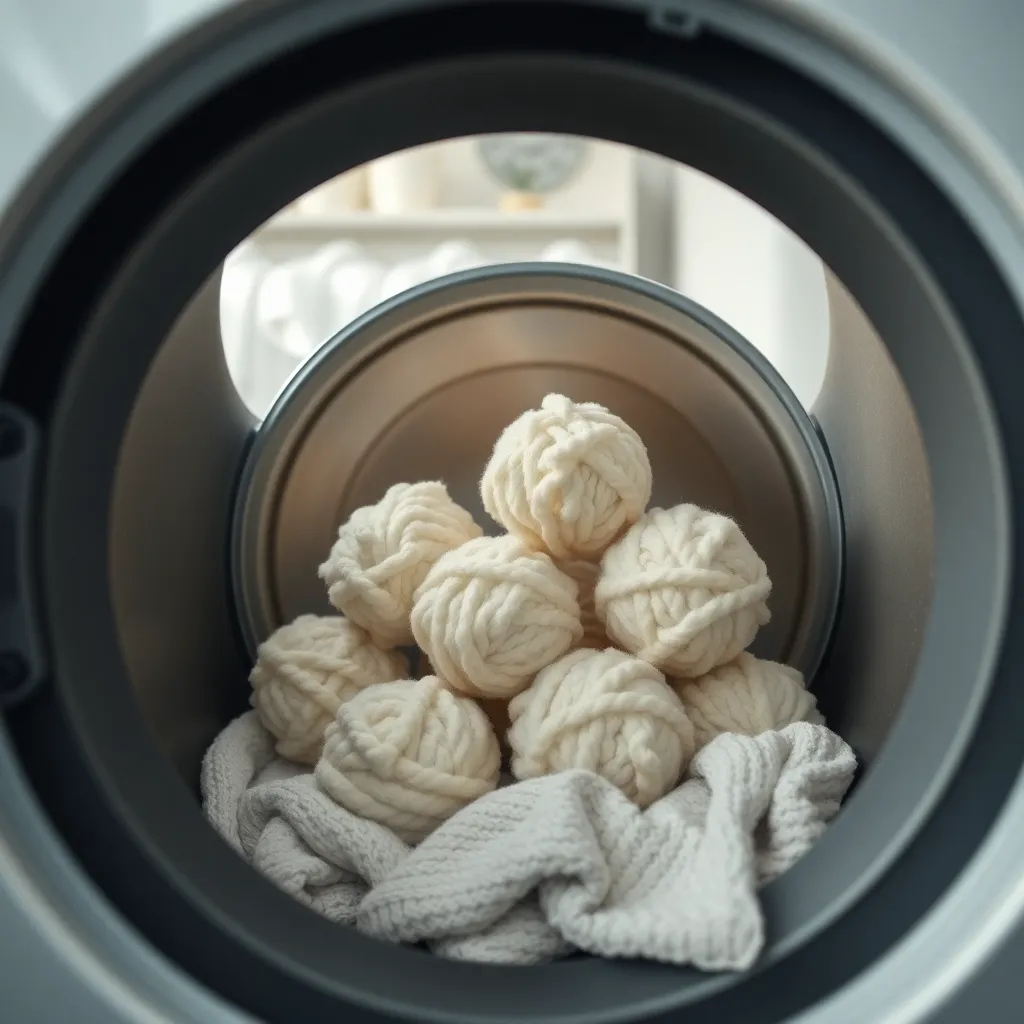
The principle behind dryer balls is simple physics. As your clothes tumble in the dryer, the balls bounce between items, physically separating them. This creates space between garments, allowing hot air to circulate more evenly and reach more surface area. The result is more efficient drying because hot air contacts wet fabric more effectively.
There are two main types of dryer balls:
Wool Dryer Balls
Made from compressed wool, these are the most popular option. They’re typically 7-9 cm in diameter and sold in sets of 3-6. Wool is naturally absorbent, so the balls also wick moisture from clothes during the drying process, further contributing to drying efficiency.
Plastic or Rubber Dryer Balls
These are harder, often covered in nubs or spikes. They’re less expensive and more durable than wool balls but can be noisier in the dryer and don’t have the moisture-absorbing properties of wool.
Do They Actually Reduce Drying Time?
Yes — but don’t expect miracles. Independent testing and real-world experience show that dryer balls can reduce drying time by approximately 10-25% on average. The effect is most noticeable on larger loads of heavy items like towels and bedding, where the balls do the most work separating bulky fabrics.
On smaller loads of lightweight clothing, the impact is minimal. Clothes that are already thin and easily separated by tumbling don’t benefit much from the extra agitation.
A 10-25% reduction in drying time translates to a modest but real energy savings over the course of a year. If you’re running your dryer 5 times a week and shaving 10 minutes off each cycle, that adds up to over 43 hours of dryer run time saved annually — meaningful both for your energy bill and for reducing wear on the machine.
Do They Soften Clothes?
Somewhat. The physical action of dryer balls tumbling against fabric does help soften clothes, similar to how agitation softens fabric during washing. However, dryer balls don’t add any softening chemicals to the fabric the way dryer sheets or liquid softeners do. The softening effect is purely mechanical.
You can enhance the softening effect by adding a few drops of essential oil (like lavender or eucalyptus) to wool dryer balls before each load. This also adds a natural fragrance without the synthetic chemicals found in commercial dryer sheets.
Do They Reduce Static?
This is where dryer balls get mixed reviews. Wool dryer balls can help reduce static compared to drying without any additive, but they’re generally not as effective as dryer sheets for static control. Here’s why: static builds up when clothes are over-dried. Dryer sheets work by coating fabrics with a thin layer of lubricant that prevents static charge buildup. Dryer balls don’t provide this coating.
To maximize static reduction with dryer balls, avoid over-drying your clothes. Use your dryer’s sensor/auto-dry setting instead of a timed cycle, and remove clothes promptly when the cycle ends. You can also toss in a damp washcloth for the last 10 minutes of the cycle to add moisture that prevents static.
The Benefits for Your Dryer
Beyond the laundry benefits, dryer balls offer a significant advantage that most people don’t think about: they’re better for your dryer than dryer sheets.
Dryer sheets leave a waxy residue on everything they touch, including your dryer’s moisture sensors, lint screen, and drum interior. Over time, this residue coats the moisture sensors and causes them to read inaccurately, leading to under-drying or over-drying. It also reduces airflow through the lint screen even when the visible lint has been removed.
Dryer balls leave no residue whatsoever. Your moisture sensors stay clean, your lint screen works at full efficiency, and there’s no chemical buildup inside your machine. For dryer longevity and performance, that’s a meaningful advantage.
Read our article on dryer maintenance tips to prevent fires for more on keeping your dryer in top condition.
How to Use Dryer Balls Effectively
- Use at least 3 balls per load — for large loads or heavy items, use 6. More balls means more separation and better airflow.
- Don’t overload the dryer. Dryer balls need room to bounce between items. A packed dryer defeats their purpose.
- Use sensor/auto-dry cycles rather than timed cycles. This ensures the dryer stops when clothes are actually dry, maximizing the time-saving benefit of the balls.
- Replace wool balls every 1,000+ loads or when they start to unravel or lose their shape. They’re durable — a quality set of wool dryer balls can last 2-5 years.
Dryer Balls vs. Dryer Sheets: The Comparison
- Cost: Dryer balls win. A set costs $10-$20 and lasts years. Dryer sheets are an ongoing expense.
- Chemical exposure: Dryer balls win. Wool balls contain no chemicals. Dryer sheets contain fragrances and softening agents.
- Static reduction: Dryer sheets win. Their chemical coating is more effective at preventing static.
- Drying time reduction: Dryer balls win slightly. Physical separation improves airflow.
- Dryer health: Dryer balls win decisively. No residue means cleaner sensors, screens, and internals.
- Environmental impact: Dryer balls win. They’re reusable and biodegradable (wool) versus single-use sheets that go to landfill after each load.
Final Thoughts
Dryer balls do work — they reduce drying time, provide some softening, and are far better for your dryer’s health than chemical-laden dryer sheets. They won’t completely eliminate static or replace the intense fragrance of commercial products, but for a natural, cost-effective, and dryer-friendly alternative, they’re a solid choice.
If you’re noticing your dryer isn’t performing as well as it should — even with dryer balls — the issue might be with the machine itself. Tech Angels Appliance Repair provides expert dryer diagnostics and repair across the Greater Vancouver area. Call (604) 265-3565 for service.