Keep Your Little Ones Safe in the Kitchen
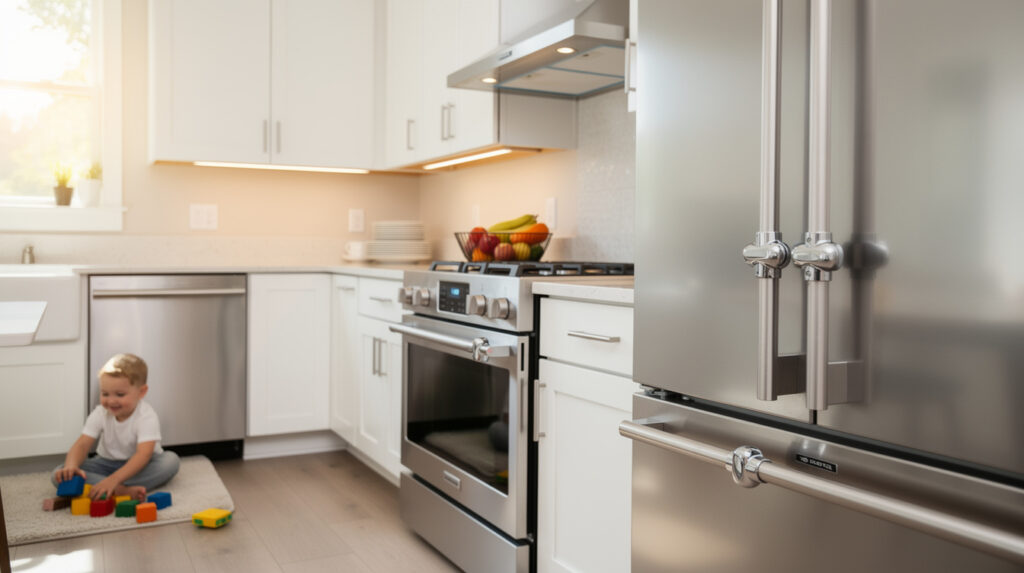
The kitchen is the heart of any home, but it’s also filled with potential hazards for curious children. From hot surfaces to moving parts, appliances present real dangers that every parent and caregiver should take seriously. The good news is that with some thoughtful childproofing measures, you can significantly reduce these risks and create a safer cooking environment for your family. When you implement comprehensive childproof appliances strategies throughout your kitchen, you’re creating layers of protection that work together to keep your children safe while they learn about food preparation.
Childproofing your kitchen appliances isn’t just about preventing accidents—it’s about peace of mind. When you know your appliances are properly secured and your childproof appliances are functioning correctly, you can focus on cooking and spending quality time with your family instead of constantly worrying about what your children might get into. This comprehensive approach to kitchen safety allows you to relax and enjoy the heart of your home with your family.
Why Childproofing Matters for Your Kitchen
Children are naturally curious and love to explore their surroundings. Unfortunately, kitchen appliances can seem like fascinating toys to young minds, but they’re actually serious safety concerns. Burns, cuts, crushing injuries, and poisoning are all real risks associated with unsupervised appliance access. Understanding these risks and taking appropriate action can save lives and prevent life-altering injuries.
According to safety organizations, thousands of children are treated in emergency rooms each year for appliance-related injuries. Many of these incidents are preventable with proper safety measures. By taking a proactive approach to childproofing, you’re investing in your family’s safety. Studies show that most kitchen accidents involving children and appliances occur when supervision is minimal and safety devices are not in place. These preventable injuries can range from minor burns to severe trauma, making proactive protection essential.
The financial and emotional costs of appliance-related injuries are substantial. Emergency room visits, ongoing medical care, potential permanent scarring or disability, and the psychological impact on the child and family are all consequences that proper childproofing can prevent entirely.
Essential Childproofing Strategies for Major Appliances
Securing Your Oven and Range
The oven and stovetop are among the most dangerous appliances in your kitchen. They reach extreme temperatures that can cause severe burns in seconds. Oven surfaces can reach 200°C (400°F) or higher during cooking, and steam escaping from cooking pots can cause additional burn injuries. Here are the key ways to protect your children when implementing childproof appliances strategies:
- Install oven locks: Childproof oven locks prevent children from opening the oven door and touching hot surfaces. These devices are affordable and easy to install. They typically use a simple latch mechanism that adults can easily release while keeping it out of reach for small hands. Modern oven locks come in various styles—magnetic locks, lever locks, and latch-style locks—giving you options that fit your oven type and kitchen aesthetic.
- Use stove knob covers: Children can accidentally turn on burners or increase the heat without understanding the danger. Stove knob covers are plastic covers that fit over the control knobs, making them impossible for small children to turn. Look for covers that come off easily for adults but require coordination kids won’t have. Some knob covers are removable, allowing you to quickly access controls when needed.
- Install a stove guard: A stove guard is a protective barrier that mounts on the front and sides of your range. It prevents children from touching hot cookware, splashing liquids, or reaching pots and pans on the stovetop. These guards also help prevent children from pulling pots down onto themselves, which is a common cause of serious burns in young children.
- Position cookware safely: Always turn pot and pan handles inward so children can’t grab them and pull hot contents onto themselves. This simple habit significantly reduces burn risks and should become automatic for all household members.
- Use back burners when possible: When cooking, prioritize using the back burners of your stove rather than front burners. This keeps hot cookware farther from small hands and reduces the reach children would need to access it.
Protecting Access to the Refrigerator
While refrigerators aren’t hot, they present their own set of hazards. Children can access unsafe foods, get trapped inside, or cause the unit to malfunction. Modern refrigerators are well-sealed, but older models pose genuine suffocation risks if children manage to trap themselves inside while playing.
- Install fridge locks: Refrigerator locks prevent young children from opening the door and grabbing potentially dangerous items or getting into foods they shouldn’t have. Modern fridge locks are designed to be child-resistant while remaining convenient for adults. Some models feature magnetic locks that hold firmly but release with a simple button press for adults.
- Organize food strategically: Keep potentially harmful items like alcohol, certain leftovers, or items with small choking hazards on upper shelves that are out of reach. Store medications and vitamins in a separate locked container, never in the fridge with food where curious children might think they’re edible treats.
- Ensure proper ventilation: Make sure the fridge has adequate space around it so it can operate efficiently and not create a suffocation hazard if somehow sealed. Check that coils are clean and unobstructed to maintain proper cooling function.
Securing Your Dishwasher
Dishwashers contain sharp objects, hot water, and potentially toxic detergents—making them serious hazards. A running dishwasher reaches extremely hot temperatures inside, and the water jets can cause burns. Additionally, the combination of sharp dishes and toxic chemicals makes this appliance especially dangerous for young children.
- Use dishwasher locks: Install locks that prevent children from opening the dishwasher door, especially during or right after a cycle when the interior is scorching hot. These locks are simple to install and incredibly effective. Most modern dishwashers come with latch mechanisms that can be enhanced with additional safety locks for young children.
- Store detergent safely: Never leave detergent pods or liquids accessible to children. These products are highly concentrated and extremely dangerous if ingested. Store them in a locked cabinet away from the dishwasher, preferably in a high cabinet that even climbing children cannot access. Many poisoning cases involving dishwasher detergent occur when pods are mistaken for candy or toys.
- Keep the door closed: When not in use, make sure the dishwasher door is fully closed and locked, especially if it’s open while running. Train all family members to keep the dishwasher secured at all times.
Protecting Against Garburator Hazards
Garbage disposals (garburators) are incredibly dangerous for small hands and curious fingers. The spinning blades can cause severe lacerations and crushing injuries. Even a brief moment of unsupervised access to an active garburator can result in life-altering injuries.
- Install safety switches: Modern garburators come with safety features, but older models may not. Consider installing a wall-mounted switch away from the sink so children can’t easily access it. Some families choose to teach children that the disposal is “off limits” rather than rely solely on mechanical locks. The wall-mounted switch approach is particularly effective because it removes the temptation entirely.
- Supervise sink use: Never leave young children unattended at the sink. Make it a rule that only adults operate the garburator. Create a family rule that children must ask for adult permission and supervision before using the sink, especially when a garburator is present.
- Keep hands away: Teach children early that the disposal is not a toy and that hands and objects should never go down the drain. Use clear, simple language: “The disposal is sharp and dangerous. We never put our hands in the sink when it’s running.”
Additional Safety Measures for Kitchen Appliances
Anti-Tip Brackets and Stability
Appliances like ranges and refrigerators can tip over if children climb on them or pull at doors. This is a genuine risk, as children are naturally inclined to climb and explore vertical surfaces. Install anti-tip brackets or straps to secure these units to the wall. This prevents tragic accidents and is especially important in homes with rambunctious toddlers. The brackets are relatively inexpensive and easy to install, yet they can prevent catastrophic injuries or death from a tipping appliance.
Temperature Control
Set your water heater to a maximum of 48-50°C (120°F). This reduces the risk of severe scalding if children accidentally access hot water. Many homeowners don’t realize how quickly boiling water can cause serious burns in young skin. At 60°C (140°F), water can cause severe burns in just 3-5 seconds. At 49°C (120°F), it takes 10 minutes. This simple adjustment dramatically reduces burn risk throughout your home, not just in the kitchen.
Electrical Safety
Ensure that all appliance cords are tucked away and out of reach. Use outlet covers and surge protectors with built-in safety features. Never leave appliances running unattended, and always unplug them when not in use. Keep a flashlight and emergency numbers posted on your refrigerator for quick access in case of emergencies.
Teaching Children About Kitchen Safety
While physical barriers are essential, education is equally important. As your children grow, teach them about kitchen hazards in age-appropriate ways. This combination of physical protection and education creates the most effective safety system for your family.
- For toddlers (1-3 years): Focus on prevention and supervision. Use locks and barriers. Keep explanations simple: “Hot! No touch.” Use a calm but firm tone to convey that certain areas are off-limits. Redirect their attention to safe activities and toys.
- For preschoolers (3-5 years): Start explaining why appliances are dangerous. Supervise closely but begin teaching safe practices like standing back from the stove. Let them watch from a safe distance while you cook, explaining what you’re doing and why certain things are dangerous. Ask them questions to assess their understanding.
- For older children (5+ years): Involve them in cooking under close supervision. Explain cause-and-effect relationships (“If we touch the hot stove, we get a boo-boo”) and gradually increase their responsibilities. Teach them to help in the kitchen safely, starting with simple tasks like stirring cold ingredients, progressing to supervised work near heat sources as they demonstrate understanding and caution.
Maintenance and Safety Checks
Childproofing devices only work if they’re properly maintained and in good condition. Regularly inspect all locks and safety devices for wear and tear. Replace damaged gaskets, hinges, and seals promptly, as faulty appliances are more likely to malfunction in ways that could injure children. Create a monthly safety checklist to inspect all childproofing measures in your kitchen. If you notice any problems with your appliances—broken hinges, damaged seals, or malfunctioning locks—contact the local experts at Tech Angels. We service all major appliances and can ensure everything is working safely and efficiently.
When to Call a Professional
Some childproofing measures are DIY-friendly, but others require professional attention. If your appliances have faulty components, broken seals, or damaged hinges, don’t try to fix them yourself. At Tech Angels, we understand the importance of kitchen safety, and we’re here to help ensure your appliances are functioning properly and securely. Whether you need to install safety devices, repair broken components, or upgrade to newer, safer models, our Vancouver-based team is ready to assist. We service refrigerators, ovens, ranges, dishwashers, and garburators throughout the area.
Create a Safe Kitchen for Your Family
Childproofing your kitchen appliances is one of the most important steps you can take to protect your family. By combining physical barriers, proper maintenance, supervision, and education, you create a safe environment where children can learn about cooking and kitchen safety without unnecessary risk. Remember, the best childproofing strategy is a multi-layered approach. Use locks and barriers, maintain your appliances in good working order, supervise children closely, and teach them about safety as they grow. With these measures in place, you can enjoy your beautiful kitchen while keeping your little ones safe. If your appliances need maintenance, repair, or you’re unsure if they’re safe for your family, don’t hesitate to reach out to Tech Angels for professional guidance and service.
Planning a Kitchen Renovation with Child Safety in Mind
If you’re planning a kitchen renovation or updating older appliances, consider child safety in your purchasing decisions. Look for modern appliances with built-in safety features like automatic shut-off functions, cool-to-touch surfaces, and safety locks that are standard on many newer models. Many contemporary appliances come with enhanced safety features that make childproofing easier and more effective than retrofitting older equipment.
When selecting new appliances, ask about safety features during the purchasing process. Some refrigerators now include interior locks that prevent accidental trapping, while modern dishwashers have delayed-start functions that prevent children from opening them immediately after operation. Range hoods with automatic shut-offs and ovens with soft-close doors are increasingly common and worth the investment if you have young children in the home.
Age-Appropriate Kitchen Responsibilities for Growing Children
As children grow, gradually introducing kitchen responsibilities helps them develop cooking skills while maintaining safety standards. Toddlers can learn to wash vegetables at the sink or arrange items on a plate. Preschoolers might measure dry ingredients or tear lettuce for salads. Older children can begin using child-safe knives to cut soft foods and eventually progress to more complex tasks under your watchful eye. This gradual progression builds confidence and develops life skills while reinforcing safety lessons learned throughout their early years.
Emergency Preparedness in Your Kitchen
Beyond preventing accidents, having an emergency plan is essential for every household. Keep first aid supplies easily accessible but out of reach of children. Post emergency numbers on your refrigerator, including poison control. Know the location of your main water shut-off valve and electrical panel in case of emergency. Having a fire extinguisher rated for kitchen fires, kept where adults can quickly access it but children cannot, is another important safety measure.
Regular Safety Audits for Ongoing Protection
Create a quarterly safety checklist and perform a walk-through of your kitchen as if you were a toddler seeing everything for the first time. Get down at child-eye-level and look for hazards you might miss from an adult perspective. Check that all safety devices are functioning correctly, that locks haven’t been accidentally left unlocked, and that no new hazards have developed. As children grow and change, your childproofing strategies may need adjustment. A child who’s grown tall enough to reach a previously high shelf requires different storage strategies. Staying proactive with these checks keeps your childproofing measures effective and up-to-date.
Related Articles
Explore more appliance care tips from the Tech Angels blog: