Understanding How Circuit Breakers Protect Your Home
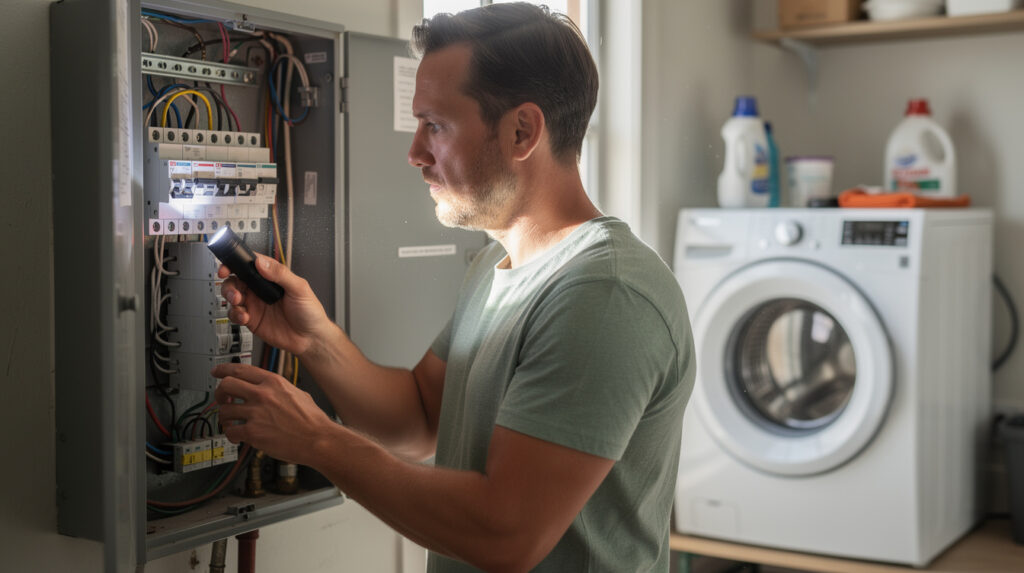
When an appliance trips the circuit breaker, it is your electrical system’s way of protecting your home from dangerous overcurrent situations. A circuit breaker automatically cuts power to a circuit when it detects too much electrical current flowing through. While this automatic shutoff is essential for safety, repeated tripping indicates a real problem that needs attention and professional diagnosis.
In Vancouver homes, a circuit breaker trip is often blamed on the appliance itself, but the actual cause can be more complex. It might be an issue with your appliance, your home’s electrical system, or a combination of both. Understanding what triggers a circuit breaker and when you need professional help can prevent both inconvenience and serious safety hazards that could endanger your family.
Think of your circuit breaker as a protective guardian for your electrical system. It is constantly monitoring current flow and ready to shut down at the first sign of danger. When it does its job and trips, pay attention—your circuit breaker is telling you something is wrong. Ignoring repeated trips can lead to electrical fires, damaged appliances, or serious injury.
Why Your Appliance Trips the Circuit Breaker
An appliance trips the circuit breaker when electrical current exceeds the circuit’s capacity, typically 15 or 20 amps for household circuits. Several different issues can cause this dangerous power surge. Understanding the root causes helps you determine whether the problem is fixable or requires professional service.
Overloaded Circuits: Too Many Devices at Once
One of the most common reasons an appliance trips the circuit breaker is circuit overload. This happens when multiple high-power appliances draw electricity simultaneously on the same circuit. When you are running the washing machine, dishwasher, and microwave all at the same time, you might exceed the circuit’s maximum capacity by a significant margin.
Modern homes should ideally distribute major appliances across different circuits, but older Vancouver homes sometimes have inadequate electrical capacity. If your circuit breaker trips whenever you use certain appliance combinations, overload is likely the cause. This is actually a design problem in many older residences that were built before modern appliance proliferation.
The solution is not always simple rewiring—sometimes it is about changing usage habits and managing when you operate high-power devices. However, if your home is ten years old or older and frequently experiences overload trips, a professional electrician should evaluate your panel and circuit distribution. Upgrading your electrical system might be necessary for modern living.
Short Circuits: The Dangerous Culprit
A short circuit occurs when a hot wire comes into contact with a neutral wire or ground wire, creating an unintended path for electricity. This causes a massive power surge that immediately triggers the circuit breaker. Short circuits are dangerous because they can generate extreme heat and potentially cause fires if the breaker fails to trip properly.
Short circuits can develop inside appliances when insulation wears away or when water damage compromises internal wiring. If your circuit breaker trips immediately when you turn on a specific appliance, a short circuit is likely. Never ignore this—the appliance should not be used until professionally inspected by a qualified technician.
The danger of short circuits cannot be overstated. A short circuit can generate temperatures hot enough to ignite surrounding materials. Your circuit breaker is designed to stop this before it happens, but if the breaker itself is faulty or the short is extreme, fire is a real possibility. Always treat immediate trips as emergency situations.
Ground Faults: When Electricity Takes a Wrong Path
A ground fault occurs when an unintended connection develops between a live electrical conductor and the ground or neutral. This might happen if an appliance has internal water damage or if its insulation has degraded significantly. Ground faults are particularly concerning because they can cause electric shock to anyone touching the appliance.
Modern homes often have GFCI (Ground Fault Circuit Interrupter) outlets, which are especially sensitive to ground faults and work differently than standard breakers. If a GFCI outlet protects your circuit and your appliance repeatedly triggers it, a ground fault in the appliance or wiring is the likely cause. GFCI outlets are your safety margin in bathrooms, kitchens, and laundry areas.
Which Appliances Most Commonly Trip Circuit Breakers
Certain appliances are more likely to trip circuit breakers because they draw significant electrical power. Understanding which appliances are common culprits helps you diagnose the issue and manage your electrical load intelligently.
High-Power Appliances
- Washing machines: Can draw 5-15 amps, especially during wash and spin cycles
- Dryers: Often require dedicated 240V circuits due to 20-30 amp draw
- Water heaters: Typically need dedicated 240V circuits but can overload shared circuits
- Dishwashers: Usually draw 9-12 amps during heating and wash cycles
- Refrigerators: Less common unless combined with other appliances on the same circuit
- Air conditioning units: Can require 15-20 amps depending on capacity and outdoor temperature
- Electric ovens and ranges: Among the highest current draws in residential homes
If your dryer frequently trips a standard 120V circuit breaker, it likely needs a dedicated 240V circuit. Many older Vancouver homes were built without sufficient dedicated circuits for major appliances, creating electrical challenges for modern usage patterns. If your home is thirty or more years old, updating the electrical panel might be necessary.
Combination Overloads
It is not always about single appliances—often it is the combination. Running your washing machine while someone uses the kitchen microwave and bathroom heater might seem like normal household activity, but it could overload a shared circuit significantly. If this scenario causes repeated trips, you likely need circuit redistribution or panel upgrades.
Short Circuit Warning Signs You Cannot Ignore
While overload is usually inconvenient but not immediately dangerous, short circuits demand immediate attention and professional evaluation. Watch for these warning signs in any appliance without delay.
Visual and Smell Indicators
- Visible sparks when plugging in the appliance or during operation
- Burning smell or scorch marks around the outlet, cord, or plug
- Visible damage, corrosion, or moisture inside the appliance or outlet
- Charred insulation on wires (do not touch—call a professional immediately)
- The circuit breaker trips immediately upon switch-on every time
- Melted or discolored plastic on cord or plug
- Unusual heat radiating from the appliance or outlet area
Never attempt to troubleshoot these situations yourself. Unplug the appliance immediately, do not use it again, and contact a qualified appliance repair technician within hours. Short circuits can precede electrical fires if left unaddressed. Do not wait or hope the problem resolves itself—take immediate action to protect your home and family.
Ground Faults and GFCI Protection
GFCI outlets are designed specifically to detect ground faults and interrupt power within milliseconds—far faster than standard breakers. If your bathroom or kitchen outlets have GFCI protection, you will notice two buttons on the outlet: Test and Reset.
If a GFCI outlet constantly trips when you plug in a specific appliance, that appliance likely has a ground fault. The GFCI is working correctly—it is protecting you from potential shock. The appliance should not be used until a professional can diagnose the issue. GFCI protection is your best defense against electrocution in wet areas.
Why GFCI Outlets Trip More Easily
GFCI outlets trip at much lower current levels than standard circuit breakers—around 4-6 milliamps compared to 15-20 amps. This extreme sensitivity is intentional. It protects you from dangerous shock while still allowing normal appliance operation. If your GFCI trips, something is wrong, and the appliance needs service before further use. GFCI outlets literally save lives in bathrooms and kitchens.
Assessing Whether It is Your Appliance or Your Electrical System
When a circuit breaker trips, you need to determine if the problem is the appliance or your home’s electrical infrastructure. This diagnostic process can prevent unnecessary appliance replacement and unnecessary electrical work.
Simple Tests You Can Perform Safely
- Try the appliance on a different circuit: If the same appliance trips a different breaker, the appliance likely has an internal problem. If the new circuit holds steady, your original circuit might be overloaded.
- Test with nothing else running: Unplug everything else on that circuit, then try the appliance alone. If it still trips, the appliance is the problem. If it runs fine, circuit overload is likely.
- Check for wet or damaged areas: Visual inspection might reveal water damage, burnt components, or physical damage inside the appliance.
These tests give you valuable information to share with a repair technician, helping them diagnose the problem more accurately. Record what you find and any patterns you notice before calling for service.
Common Causes of Repeated Short Circuits in Appliances
When a specific appliance repeatedly trips breakers, certain problems are most common. Understanding these patterns helps determine next steps and urgency.
Water Damage Leading to Electrical Faults
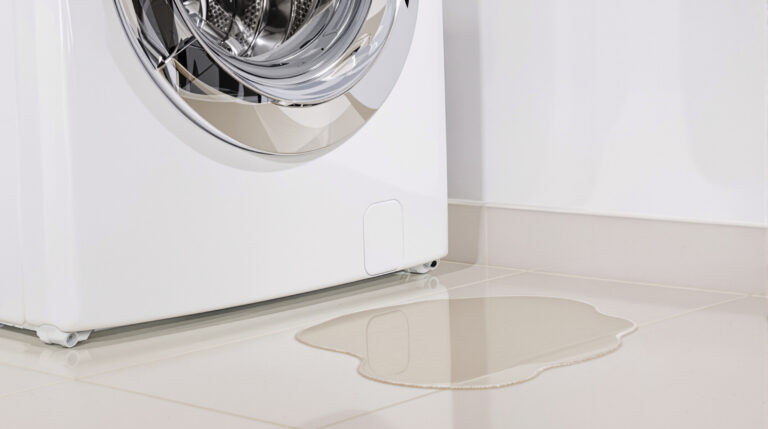
Water intrusion is the leading cause of short circuits in major appliances. Washing machines, dishwashers, and refrigerators are all vulnerable to water damage that creates electrical faults. A small leak that seems insignificant can compromise insulation and create a short circuit catastrophically.
If your appliance recently had any water exposure—leaks, flooding, or overflow—a short circuit is a real possibility. The damage might not be immediately obvious but becomes apparent when the appliance runs and electrical components get slightly wet. Water conducts electricity dangerously.
Aging Insulation
Appliances typically last 10-15 years, and insulation degrades over time with heat cycles, moisture exposure, and electrical stress. Plastic insulation becomes brittle, rubber deteriorates, and protective coatings wear away. Old appliances in your Vancouver home may develop short circuits simply due to age-related insulation breakdown. This is especially true in older models manufactured before modern insulation standards.
Manufacturing Defects
Occasionally, appliances have manufacturing defects that appear only after some use. Internal wiring might be damaged during assembly, or components might fail prematurely. If your newer appliance frequently trips breakers, a manufacturing defect could be responsible and might be covered by warranty.
When to Call a Professional vs. DIY Fixes
Knowing when to handle a tripping breaker yourself and when to call a professional is important for safety. Some situations are clearly DIY-safe, while others require expert attention.
Safe DIY Actions
- Resetting the breaker (just flipping the switch back on)
- Unplugging appliances and trying one at a time
- Checking for obvious visual damage to cords and outlets
- Testing circuits with different appliances sequentially
When You Absolutely Need a Professional
- Repeated trips on the same appliance
- Visible damage, burning smells, or scorch marks
- Sparking or arcing at outlets or plugs
- Signs of water damage in the appliance
- Frequent overload trips affecting multiple circuits
- Uncertainty about the cause or safety concerns
Tech Angels technicians in Vancouver can quickly identify whether your problem is an appliance failure or an electrical system issue. We test appliances safely, examine wiring, and recommend appropriate solutions. Your safety is our top priority.
Preventing Future Circuit Breaker Trips
Once you have identified and resolved the current issue, use these strategies to prevent future problems and maintain safe electrical operation.
Circuit Management Strategies
- Know your circuit layout: Understand which outlets and appliances are on each circuit
- Distribute high-power usage: Avoid running multiple high-demand appliances simultaneously
- Consider a dedicated circuit: If you frequently overload a circuit, have an electrician add a dedicated circuit
- Regular maintenance: Keep appliances clean and dry to prevent water damage
- Professional inspections: Have your electrical panel evaluated every 5-10 years
Appliance Health Maintenance
- Keep appliances dry and away from moisture
- Check for and repair any leaks immediately
- Have aging appliances professionally serviced regularly
- Replace worn power cords and plugs before they cause problems
When Your Circuit Breaker Keeps Tripping Repeatedly
If your circuit breaker repeatedly trips despite attempts to identify the cause, professional diagnosis is essential. This situation indicates either a persistent electrical fault in an appliance, a problem with your home’s electrical system, or a combination of both that requires expert analysis.
Tech Angels serves Vancouver and surrounding areas with expert appliance diagnostics and electrical problem identification. Our technicians can determine whether your problem requires appliance repair, electrical system upgrades, or both. We use proper testing equipment and provide honest assessments to help you resolve the issue safely and cost-effectively. Do not let repeated tripping become a fire hazard—contact us today for professional diagnosis.
Related Articles
Explore more appliance care tips from the Tech Angels blog: