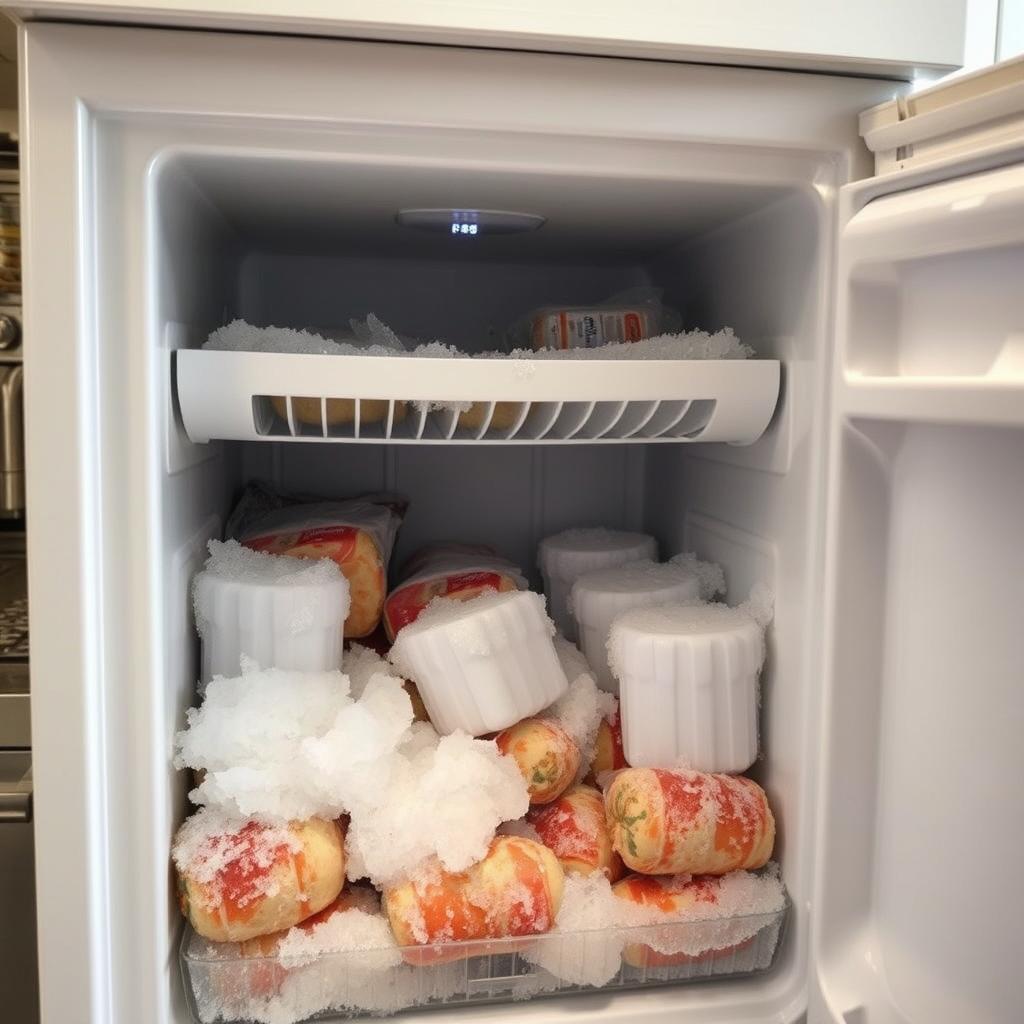
Finding soft ice cream, thawed meat, or frost-covered food in your freezer is more than inconvenient — it’s a food safety concern. A freezer that isn’t maintaining the right temperature puts your groceries at risk of spoilage and can indicate a problem that, left unaddressed, could lead to a complete appliance failure.
In this guide, we’ll walk through the most common reasons your freezer stops keeping food properly frozen and what you can do about each one. These tips apply whether you have a standalone freezer, a top-freezer, bottom-freezer, side-by-side, or French door refrigerator.
What Temperature Should Your Freezer Be?
Your freezer should maintain a temperature of -18°C (0°F) or colder. At this temperature, bacteria growth is effectively stopped, and food quality is preserved for the longest possible time. If your freezer is above -15°C (5°F), food isn’t being kept at a safe temperature, and quality will degrade quickly.
Use an appliance thermometer placed in the centre of the freezer (not against a wall or near the door) to get an accurate reading. Don’t rely solely on the digital display — built-in sensors can drift over time.
Common Causes and Fixes
1. Temperature Setting Is Wrong
Start simple: check the temperature dial or digital control. Someone may have accidentally adjusted it, or it may have been bumped. Set it to the manufacturer’s recommended setting (usually the middle or “0°F” mark) and give the freezer 24 hours to stabilize before reassessing.
2. The Freezer Is Overstuffed or Understuffed
Both extremes cause problems. An overstuffed freezer blocks air vents and prevents cold air from circulating properly, creating warm spots. An empty freezer loses cold air rapidly every time the door opens because there’s no thermal mass (frozen items) to help maintain the temperature. Aim for about 75% full, with space for air to circulate between items.
3. Door Seal Problems
A worn, cracked, or dirty door gasket allows warm air to constantly enter the freezer. Check the seal by closing the door on a piece of paper — if you can pull it out without resistance, the seal isn’t tight enough. Clean the gasket with warm soapy water and inspect it for damage. Replace it if it’s cracked, warped, or no longer flexible.
4. Condenser Coils Are Dirty
Dirty condenser coils reduce the entire refrigeration system’s efficiency. When the coils can’t release heat effectively, the compressor struggles to maintain freezer temperatures. Pull the unit away from the wall and vacuum or brush the coils clean. This should be done every 6-12 months.
5. Evaporator Fan Failure
The evaporator fan circulates cold air throughout the freezer compartment. If this fan stops working, cold air stays concentrated near the evaporator coils while the rest of the freezer warms up. Open the freezer door and press the door switch — you should hear the fan running. If it’s silent or making grinding noises, the fan motor likely needs replacement.
6. Defrost System Failure
If your freezer has a thick layer of ice on the back wall or around the evaporator coils, the automatic defrost system has likely failed. Ice buildup insulates the coils and blocks airflow, preventing proper cooling. The defrost heater, thermostat, or timer may need repair. A manual defrost (unplugging the unit for several hours) will temporarily restore function.
7. Condenser Fan Failure
The condenser fan helps dissipate heat from the condenser coils (on models with a fan — some use natural convection). If this fan fails, the system can’t release heat efficiently, and both the freezer and fridge compartments warm up. Listen for the fan at the back/bottom of the unit when the compressor is running.
8. Compressor Issues
The compressor is the heart of the refrigeration system. If it’s running constantly but not cooling, running intermittently (short cycling), or not running at all, the freezer can’t maintain proper temperatures. Compressor issues are serious repairs that typically require a professional technician with specialized tools and refrigerant handling certification.
9. Refrigerant Leak
A slow refrigerant leak causes a gradual decline in cooling performance. You might notice the freezer slowly getting warmer over weeks or months. Refrigerant leaks require professional diagnosis and repair — the system needs to be located, repaired, evacuated, and recharged with the correct amount of refrigerant.
10. Frequent or Prolonged Door Opening
Opening the freezer door frequently or leaving it open while searching for items lets warm, humid air rush in. This warm air causes frost buildup and forces the compressor to work overtime. Organize your freezer so you can find items quickly, and avoid standing with the door open.
Emergency Food Safety Steps
While troubleshooting, protect your food:
- Keep the freezer door closed as much as possible. A full, closed freezer holds temperature for 24-48 hours.
- Use a cooler with dry ice for your most valuable frozen items if the repair will take time.
- Group frozen items tightly together — they keep each other cold.
- Use a food thermometer to check items. If food has thawed above 4°C (40°F), it may not be safe to refreeze.
When to Call a Professional
Basic fixes like adjusting the temperature, cleaning coils, and checking door seals are well within DIY territory. But for evaporator fan replacement, defrost system repairs, compressor diagnosis, or suspected refrigerant leaks, you’ll need professional help.
Tech Angels Appliance Repair provides expert refrigerator and freezer repair throughout Vancouver, Burnaby, Coquitlam, and the Greater Vancouver area. Call us at (604) 265-3565 — we’ll get your freezer back to the right temperature fast.
Final Thoughts
A freezer that isn’t keeping food frozen is a problem that demands prompt attention — both for food safety and to prevent the underlying issue from getting worse. Start with the simple checks (temperature settings, door seals, coil cleaning) and work your way through the list. With a systematic approach, you’ll either solve the problem yourself or have precise information to share with your repair technician.