The Unsung Hero of Your Refrigerator
When people think about refrigerator problems, they tend to focus on big things — the compressor, the thermostat, the ice maker. But there is a humble component running along the edge of your refrigerator door that has an outsized impact on how well your fridge works, how much energy it uses, and how long your food stays fresh. That component is the refrigerator door gasket.
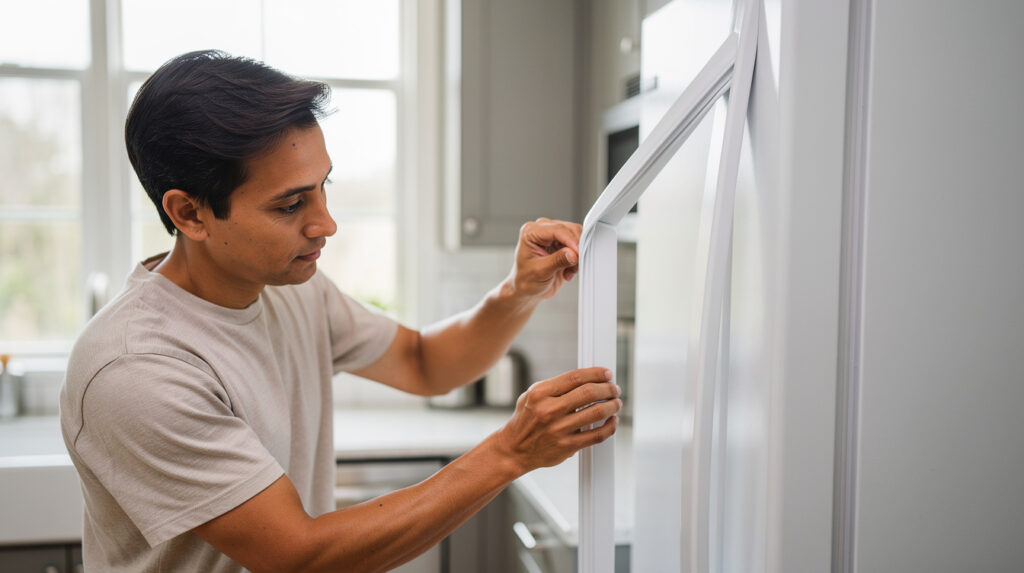
Also called a door seal, the gasket is the flexible rubber or silicone strip that lines the perimeter of your refrigerator and freezer doors. Its job is simple but essential: create an airtight seal that keeps cold air inside and warm air outside. When this seal fails, the consequences ripple through your entire refrigerator system — and your electricity bill.
If you are a homeowner in Vancouver, BC, and you have noticed your fridge running more than usual, food spoiling faster, or condensation forming around the door, the gasket is one of the first things you should check. This guide covers everything you need to know about your refrigerator door gasket — what it does, how to tell if it is failing, how to clean it, and how to replace it yourself.
What Does a Refrigerator Door Gasket Actually Do?
The refrigerator door gasket serves as the barrier between the controlled cold environment inside your fridge and the ambient temperature of your kitchen. When you close the door, the gasket compresses against the frame of the refrigerator body, creating a seal. This seal prevents cold air from leaking out and warm, humid air from entering.
How the Gasket Affects Refrigerator Performance
Your refrigerator maintains its internal temperature through a cycle: the compressor runs to cool the interior, then shuts off when the target temperature is reached. When the gasket creates a proper seal, the interior stays cold for a long time between compressor cycles, and the compressor does not have to work very hard.
When the gasket is worn, torn, or dirty, warm air constantly seeps in. The interior temperature rises, triggering the compressor to run more frequently and for longer periods. This has several negative effects:
- Higher energy consumption: A refrigerator with a faulty gasket can use 20 to 30 percent more electricity than one with a good seal.
- Uneven cooling: Warm air entering through the gap creates temperature inconsistencies inside the fridge, with areas near the seal being warmer than those farther away.
- Excess moisture and frost: Warm, humid air entering the fridge condenses on cold surfaces, leading to frost buildup in the freezer and moisture on refrigerator walls and food containers.
- Shortened food shelf life: Temperature fluctuations accelerate food spoilage, meaning you throw away more groceries and waste more money.
- Increased compressor wear: The compressor is the most expensive component in your refrigerator. Constant overwork shortens its lifespan significantly.
Signs Your Refrigerator Door Gasket Needs Attention
A failing gasket does not usually fail all at once. It deteriorates gradually, and the signs can be easy to overlook if you are not watching for them. Here is what to look for:
Visible Damage
Take a close look at the gasket around the entire perimeter of the door. Look for cracks, tears, splits, or sections where the gasket has become hard and brittle. Older gaskets lose their flexibility over time, especially in sections that get the most use — typically around the handle side of the door where the gasket compresses and releases most frequently.
The Gasket Feels Loose or Is Pulling Away
The gasket should sit snugly in its channel or mounting groove. If sections are pulling away from the door, hanging loose, or folded over, the seal is compromised. This is common on older refrigerators where the gasket material has stretched or the mounting hardware has loosened.
Condensation Around the Door
If you notice moisture or condensation forming on the outside of the refrigerator door, particularly around the edges, warm air is meeting the cold surface of the door — a sign that the seal is not keeping the environments separated. In Vancouver’s naturally humid climate, this can happen even with a slightly imperfect seal.
The Refrigerator Runs Constantly
All refrigerators cycle on and off throughout the day. If yours seems to be running almost constantly, or if you can hear the compressor humming far more often than you used to, a leaking gasket may be the reason. The fridge is working overtime to compensate for the warm air sneaking in.
Food Spoils Faster Than Expected
If your milk is going sour before the expiration date, your vegetables are wilting quickly, or food in general seems to have a shorter shelf life than it should, inconsistent internal temperatures from a bad gasket could be to blame.
Frost Buildup in the Freezer
Excessive frost in the freezer compartment — particularly around the door and the front edges of shelves — often indicates that humid air is entering through a compromised freezer gasket.
The Dollar Bill Test: A Simple Way to Check Your Gasket
This is the classic test that appliance technicians have been using for decades, and it works perfectly well for homeowners too. All you need is a dollar bill or a piece of paper of similar thickness.
How to Perform the Dollar Bill Test
Open the refrigerator door and place a dollar bill so that half of it is inside the fridge and half is sticking out. Close the door on the bill. Now try to pull the bill out.
- If you feel resistance: The gasket is creating a good seal at that point. The bill should slide out with some friction but should not fall out on its own.
- If the bill slides out easily or falls out: The gasket is not sealing properly at that location.
Repeat this test at multiple points around the door — top, bottom, both sides, and all four corners. Gaskets can fail in specific areas while still being fine in others. The corners are particularly prone to seal failure because the gasket has to make a 90-degree turn and the magnetic strip inside may not maintain full contact.
Perform this test on both the refrigerator door and the freezer door. Freezer gaskets are equally important and can deteriorate even faster due to the greater temperature differential.
How to Clean Your Refrigerator Door Gasket
Before you decide to replace a gasket, try cleaning it. In many cases, a gasket that seems to be failing is actually just dirty. Food residue, mold, and grime can prevent the gasket from making full contact with the refrigerator frame, breaking the seal.
What You Will Need
- Warm water
- Mild dish soap
- A soft cloth or sponge
- An old toothbrush
- White vinegar (optional, for mold or mildew)
- A small amount of petroleum jelly
Cleaning Steps
Mix a small amount of dish soap with warm water. Dip your cloth or sponge into the solution and wipe down the entire gasket, paying special attention to the folds and grooves where dirt tends to accumulate. Use the old toothbrush to get into the creases and crevices of the gasket. These hidden areas often harbor mold and mildew, especially in the humid Vancouver climate.
If you see black mold spots on the gasket, make a solution of equal parts white vinegar and warm water. Apply this to the affected areas and let it sit for a few minutes before scrubbing gently with the toothbrush. Avoid using bleach or harsh chemical cleaners, as these can degrade the rubber and shorten the gasket’s lifespan.
After cleaning, rinse the gasket with clean water and dry it thoroughly. Then apply a very thin layer of petroleum jelly to the gasket surface. This does two things: it keeps the rubber supple and prevents it from drying out and cracking, and it helps the gasket maintain a better seal by filling in minor surface imperfections.
Also clean the surface of the refrigerator frame where the gasket makes contact. Any residue on the frame prevents a proper seal, no matter how clean or new the gasket is.
How to Replace Your Refrigerator Door Gasket: DIY Steps
If cleaning does not solve the problem and the gasket is visibly worn, cracked, or hardened, replacement is the way to go. The good news is that replacing a refrigerator door gasket is one of the more accessible DIY appliance repairs. It does not require specialized tools, and replacement gaskets are readily available.
Step 1: Order the Correct Replacement Gasket
You need the exact gasket for your refrigerator model. Find your refrigerator’s model number — it is usually on a label inside the fridge, on the side wall, ceiling, or behind the crisper drawers. Write down both the model number and the serial number. Then search for a replacement gasket using these numbers. You can order from the manufacturer, from appliance parts retailers, or from online suppliers.
Make sure you order the right gasket for the right door. Refrigerator and freezer gaskets are different sizes, and on some models, the left and right sides are not interchangeable.
Step 2: Prepare the New Gasket
New gaskets are typically shipped folded, which can leave creases that prevent a proper seal. Before installation, soak the new gasket in warm water for 10 to 15 minutes, or use a hair dryer on a low setting to gently warm the rubber and remove any kinks. Lay it flat and let it reach room temperature. The gasket should be soft and flexible before you install it.
Step 3: Remove the Old Gasket
How the gasket is attached depends on your refrigerator model. The three most common attachment methods are:
- Screwed in: The gasket is held in place by screws that also secure a retaining strip or the inner door panel. You will need a screwdriver or nut driver to loosen these screws. Do not remove them completely — just loosen them enough to pull the gasket free.
- Push-in or snap-in: The gasket has a lip or arrow-shaped tab that pushes into a channel in the door. You can usually pull the old gasket out by hand, starting at a corner and working your way around.
- Glued in: Less common, but some older models use adhesive. You may need to carefully pry the gasket off and clean any adhesive residue before installing the new one.
Work on one section at a time rather than removing the entire gasket at once. This helps you keep track of how it is attached and aligned, making the new installation easier.
Step 4: Install the New Gasket
Starting at a top corner, press the new gasket into position. If your model uses screws, tuck the gasket behind the retaining strip and tighten the screws — but do not overtighten, as this can deform the gasket. If it is a push-in style, press the gasket tab firmly into the channel until it clicks or seats securely.
Work your way around the entire door, making sure the gasket sits flat and even with no twists, bunches, or gaps. The corners require extra attention — make sure the gasket is properly seated at every 90-degree turn.
Step 5: Test the Seal
Close the door and check the seal visually. The gasket should compress evenly around the entire perimeter. Perform the dollar bill test at multiple points. If the bill meets resistance everywhere, your new gasket is properly installed.
If there are spots where the seal seems weak, try warming those areas with a hair dryer for 30 seconds and then closing the door. The warmth makes the gasket more pliable and helps it conform to the shape of the frame. Let the door stay closed for a few hours to allow the gasket to set in its compressed position.
Common Mistakes When Replacing a Refrigerator Door Gasket
Even though gasket replacement is a straightforward job, there are a few pitfalls to avoid:
- Installing a gasket that is still cold and stiff: Always warm and soften the gasket before installation. A stiff gasket will not conform to the door frame and will leave gaps.
- Using the wrong gasket: Gaskets are model-specific. Even if a gasket looks similar, it may not be the right dimensions or profile for your door.
- Overtightening screws: If your gasket is screw-mounted, overtightening distorts the gasket and can actually make the seal worse.
- Not cleaning the door frame: Old adhesive residue, food particles, or grime on the frame will prevent the new gasket from sealing properly.
- Rushing the corners: Corners are the hardest part to get right. Take your time to ensure the gasket makes a clean turn without bunching or gapping.
When to Call a Professional for Gasket Replacement
While gasket replacement is a solid DIY project, there are times when calling a professional makes more sense:
The Door Is Warped or Misaligned
If the gasket is not the problem — if the door itself is bent, sagging, or not hanging straight — a new gasket will not fix the seal issue. A technician can diagnose whether the problem is the gasket, the door hinges, or the door itself, and make the appropriate repair.
You Cannot Find the Right Gasket
Some older or discontinued refrigerator models have gaskets that are no longer readily available. A professional appliance repair service may have access to universal gaskets or can modify a close fit to work with your model.
The Problem Persists After Replacement
If you have installed a new gasket and are still experiencing seal problems, the issue may be deeper — a faulty door closer, worn hinges, or a cabinet that has shifted. These are situations where professional diagnosis saves time and money. The technicians at Tech Angels have seen every type of gasket and door issue across all major brands and can pinpoint the problem quickly.
How Long Does a Refrigerator Door Gasket Last?
A typical refrigerator door gasket lasts between 7 and 12 years, depending on usage, maintenance, and environmental conditions. Factors that can shorten gasket life include:
- Frequent door opening: The more the door is opened and closed, the more the gasket is compressed and released, accelerating wear.
- Exposure to food and grease: Spills and food residue on the gasket degrade the rubber over time.
- Harsh cleaning chemicals: Bleach and abrasive cleaners break down the gasket material.
- Humidity: While the gasket is designed to handle moisture, consistently high humidity can promote mold growth in the gasket folds.
- Slamming the door: Excessive force when closing the door stresses the gasket and can cause it to pull away from its mounting.
Tips to Extend the Life of Your Refrigerator Door Gasket
Good habits go a long way toward keeping your gasket in excellent condition:
- Clean the gasket every one to two months with mild soap and water.
- Apply a thin layer of petroleum jelly every six months to keep the rubber supple.
- Wipe up any food spills on the gasket immediately.
- Close the door gently — do not let it slam shut.
- Make sure nothing inside the fridge is blocking the door from closing completely.
- Check the gasket for early signs of wear during your regular cleaning, so you can address problems before they get worse.
A Small Part That Makes a Big Difference
The refrigerator door gasket is easy to overlook, but it plays a critical role in keeping your food fresh, your fridge running efficiently, and your energy bills under control. A quick inspection and cleaning every couple of months can extend the life of both the gasket and the refrigerator itself.
If you have tried cleaning and replacing the gasket and are still having seal or temperature issues with your refrigerator, there may be a deeper mechanical problem at play. Do not hesitate to reach out to a qualified appliance repair professional in the Vancouver area to get a proper diagnosis. A small repair today can save you from a costly compressor replacement or a premature refrigerator replacement down the road.
Related Articles
Explore more appliance care tips from the Tech Angels blog: