If you’ve ever been startled by a strange combination of letters and numbers flashing on your appliance’s display, you’re not alone. Those cryptic codes might look like a foreign language, but they’re actually your appliance’s way of telling you exactly what’s wrong. Understanding appliance error codes — and keeping a handy reference list — can save you time, money, and a whole lot of frustration.
Whether it’s your washing machine refusing to drain, your dishwasher blinking mid-cycle, or your refrigerator beeping at odd hours, error codes are the first clue in solving the mystery. In this guide, we’ll explain why an error codes list is one of the most valuable tools any homeowner can have, how to use these codes effectively, and when it’s time to call in a professional.
What Are Appliance Error Codes?
Appliance error codes are alphanumeric messages generated by your appliance’s built-in diagnostic system. Modern appliances — from refrigerators and dishwashers to washing machines and dryers — are equipped with electronic control boards that constantly monitor performance. When something goes wrong, these control boards generate a specific code that corresponds to a particular issue.
For example, an “F5 E2” code on a washing machine might indicate a door lock problem, while an “E1” on a refrigerator could point to a temperature sensor malfunction. Each brand and model has its own unique set of codes, which is why having a comprehensive reference list is so important.
How Error Codes Work
Think of error codes like your car’s check engine light — but far more specific. Instead of just telling you “something is wrong,” appliance error codes narrow the problem down to a particular component or system. Here’s the basic process:
- Your appliance’s sensors detect an abnormality — a clogged drain, a faulty heating element, or a communication error between components.
- The electronic control board processes this information and generates a specific code.
- The code appears on the appliance’s display panel, or in some cases, the appliance communicates the error through a series of blinking lights.
This system is designed to help both homeowners and technicians quickly identify the root cause of a problem without having to disassemble the entire machine.
Why Keeping an Error Codes List Matters
You might be wondering, “Can’t I just Google the code when it appears?” While a quick online search can sometimes help, there are several compelling reasons to maintain your own organized error codes reference list.
1. Faster Troubleshooting
When an appliance breaks down, time is of the essence — especially if it’s your refrigerator full of groceries or your washing machine mid-cycle with a load of whites. Having an error codes list at your fingertips means you can immediately identify the problem without fumbling through search results or sifting through unrelated forums. You’ll know within seconds whether you’re dealing with a simple fix you can handle yourself or something that requires professional attention.
2. Better Communication with Repair Technicians
When you call an appliance repair service, being able to provide the specific error code saves everyone time. Instead of vaguely describing symptoms (“it makes a weird noise and then stops”), you can say, “My Samsung washer is showing error code 4E, which I believe is a water supply issue.” This helps technicians arrive prepared with the right parts and tools, potentially saving you from a second service visit.
3. Preventing Small Problems from Becoming Big Ones
Some error codes indicate minor issues that, if ignored, can escalate into major — and expensive — repairs. A drainage warning on your dishwasher, for instance, might just need a quick filter cleaning today. But if you ignore it for weeks, you could end up with water damage, a burned-out pump motor, or both. An error codes list helps you understand the severity of each issue so you can prioritize accordingly.
4. Saving Money on Unnecessary Service Calls
Not every error code requires a professional repair. Many common codes point to issues that homeowners can resolve themselves — a clogged filter, an unbalanced load, or a door that didn’t close properly. When you have a reference list that explains what each code means and suggests basic troubleshooting steps, you can avoid paying for a service call for something that takes two minutes to fix.
5. Tracking Recurring Issues
If the same error code keeps appearing on your appliance, that’s a significant piece of diagnostic information. Keeping a log of error codes and when they occur helps you — and your repair technician — identify patterns that could indicate an underlying problem. For example, if your dryer repeatedly throws a heating error, it might point to a failing thermostat rather than just a one-time glitch.
Common Error Codes by Appliance Type
While every brand has its own coding system, certain types of errors are universal across most major appliances. Here’s an overview of the most common categories you’ll encounter.
Washing Machine Error Codes
Washing machines are among the most code-heavy appliances in your home. Common error categories include:
- Door/lid lock errors: These indicate the machine can’t verify that the door is securely closed. Often caused by a worn latch, debris in the door seal, or a faulty lock mechanism.
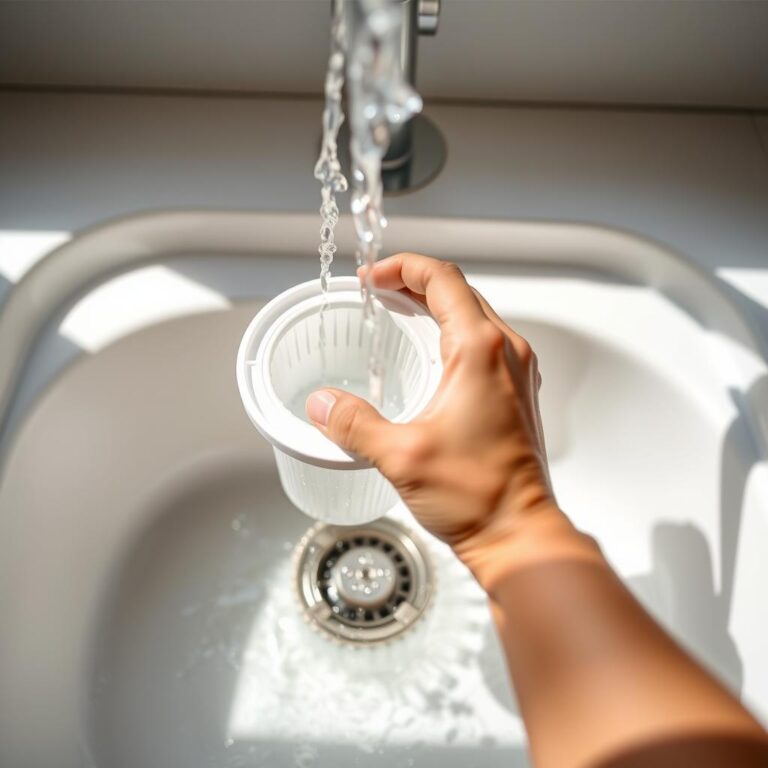
- Drainage errors: Your washer can’t pump water out effectively. Check for kinked hoses, clogged drain filters, or pump obstructions.
- Water supply errors: The machine isn’t receiving enough water. Inspect inlet hoses, water valves, and make sure your home’s water supply is turned on.
- Unbalanced load errors: Heavy or unevenly distributed items prevent the drum from spinning properly. Redistributing the load usually solves this.
- Motor and control board errors: These are more serious and typically require professional washing machine repair.
If your washer won’t start at all, check out our guide on common reasons your washing machine won’t start for additional troubleshooting steps.
Refrigerator Error Codes
Refrigerator error codes often relate to temperature regulation and defrost systems:
- Temperature sensor errors: A faulty thermistor can cause your fridge to run too warm or too cold.
- Defrost system errors: Problems with the defrost heater, timer, or thermostat can lead to ice buildup and poor cooling.
- Fan motor errors: If the evaporator or condenser fan isn’t working, your fridge can’t circulate cold air properly.
- Compressor errors: These are the most serious and expensive to repair. A compressor error often means the heart of your refrigerator is failing.
- Ice maker errors: Codes related to water inlet valves, ice maker motors, or temperature sensors in the freezer compartment.
For more on refrigerator issues, take a look at our article about the 10 warning signs your refrigerator is about to fail.
Dishwasher Error Codes
Dishwasher codes frequently relate to water management:
- Water inlet errors: The dishwasher can’t fill with enough water. Check the supply valve and inlet hose.
- Drainage errors: Water isn’t draining properly after a cycle. The filter, drain hose, or pump may be obstructed.
- Heating errors: The water isn’t reaching the proper temperature for effective cleaning.
- Leak detection errors: Built-in sensors have detected water where it shouldn’t be — often in the base pan.
Dryer Error Codes
Dryer codes typically involve heat and airflow:
- Thermistor/temperature errors: The dryer can’t accurately read or maintain the correct temperature.
- Exhaust system errors: Restricted airflow through the vent system. This is a serious safety concern — blocked dryer vents are a leading cause of house fires.
- Motor errors: The drum motor is struggling or has failed.
- Moisture sensor errors: The sensors that determine when clothes are dry aren’t functioning properly.
Keep your dryer safe and efficient by following our 5 simple dryer maintenance tips to prevent fires.
Oven and Range Error Codes
Ovens tend to have fewer error codes, but the ones they do produce are important:
- Temperature sensor errors: The oven can’t regulate its internal temperature, leading to under- or over-cooking.
- Door lock errors: Common during or after the self-cleaning cycle when the door lock mechanism malfunctions.
- Control board errors: The oven’s brain is having trouble communicating with other components.
- Keypad errors: Buttons or touchpad inputs aren’t registering correctly.
For more oven troubleshooting tips, visit our post on common oven problems and when to call a professional.
How to Build Your Own Error Codes Reference
Creating a personalized error codes list is simpler than you might think. Here’s how to get started:
Step 1: Gather Your Appliance Information
For each major appliance in your home, record the brand, model number, and serial number. You’ll usually find this on a sticker or plate on the appliance — inside the door frame, on the back panel, or behind a kick plate. Store this information in one central location, whether it’s a physical folder or a note on your phone.
Step 2: Download or Print the Error Codes List
Most manufacturers provide error code lists in their user manuals. If you’ve lost the manual, you can almost always find a digital version on the manufacturer’s website by searching for your specific model number. Print these out or save them as PDFs for quick access.
Step 3: Create a Quick-Reference Chart
For the most common codes, create a simplified chart that includes the code, what it means, and basic troubleshooting steps. Keep this somewhere accessible — on your refrigerator, in a kitchen drawer, or saved on your phone.
Step 4: Log Errors as They Occur
Every time an error code appears, note the date, time, code, and what was happening when the error occurred. Over time, this log becomes invaluable for identifying patterns and helping technicians diagnose persistent issues.
When to Call a Professional
While error codes empower you to handle many minor issues on your own, certain situations call for professional help. You should contact a qualified appliance repair technician when:
- The error code relates to electrical components, gas connections, or sealed refrigerant systems.
- You’ve tried the recommended troubleshooting steps and the code persists.
- The same error code keeps recurring, suggesting a deeper underlying problem.
- Your appliance is still under warranty — DIY repairs could void your coverage.
- You’re uncomfortable or unsure about any repair step. Safety always comes first.
If you’re in the Greater Vancouver area and need help diagnosing a stubborn error code, the team at Tech Angels Appliance Repair is here to help. Our certified technicians are trained to work with all major brands and can quickly interpret error codes to get your appliances running smoothly again.
Error Codes and Smart Appliances
The latest generation of smart appliances has taken error code technology to a whole new level. Wi-Fi-connected refrigerators, washers, dryers, and dishwashers can now send error notifications directly to your smartphone through manufacturer apps. Some even provide step-by-step troubleshooting guides right in the app, or allow you to share diagnostic information directly with a service technician.
While this technology is incredibly convenient, it also introduces new complexities. Smart appliances can generate more nuanced error codes, and connectivity issues can sometimes create false errors. If your smart appliance is acting up, make sure to check that the Wi-Fi connection is stable before assuming a hardware problem.
Proactive Maintenance: The Best Way to Avoid Error Codes
Of course, the best error code is one you never see. Regular maintenance dramatically reduces the likelihood of appliance breakdowns. Here are some universal maintenance tips:
- Clean filters regularly: This applies to dishwashers, dryers, range hoods, and refrigerator coils.
- Inspect hoses and connections: Check washing machine hoses, dishwasher supply lines, and refrigerator water lines for wear, cracks, or leaks.
- Don’t overload: Overloading your washer, dryer, or dishwasher puts extra stress on motors, bearings, and other components.
- Keep appliances level: An unlevel washing machine or refrigerator can cause vibrations, noise, and premature wear.
- Schedule professional maintenance: An annual check-up from a qualified technician can catch small issues before they trigger error codes — or worse.
Learn more about keeping your appliances in peak condition by reading our article on how appliance repair enhances home safety.
Final Thoughts
Appliance error codes might seem intimidating at first, but they’re genuinely one of the most useful tools available to modern homeowners. By maintaining an organized error codes list for each appliance in your home, you’ll be able to troubleshoot problems faster, communicate more effectively with repair professionals, and potentially save hundreds of dollars on unnecessary service calls.
Take a few minutes this weekend to gather your appliance model numbers, download the relevant error code lists, and set up a simple tracking system. Your future self — standing in front of a flashing appliance display at the worst possible moment — will thank you.
And remember, when an error code points to something beyond a quick DIY fix, don’t hesitate to reach out to the professionals. Tech Angels Appliance Repair serves the Greater Vancouver area with fast, reliable service for all major appliance brands. Give us a call at (604) 265-3565 — we’re happy to help decode any error your appliance throws at you.