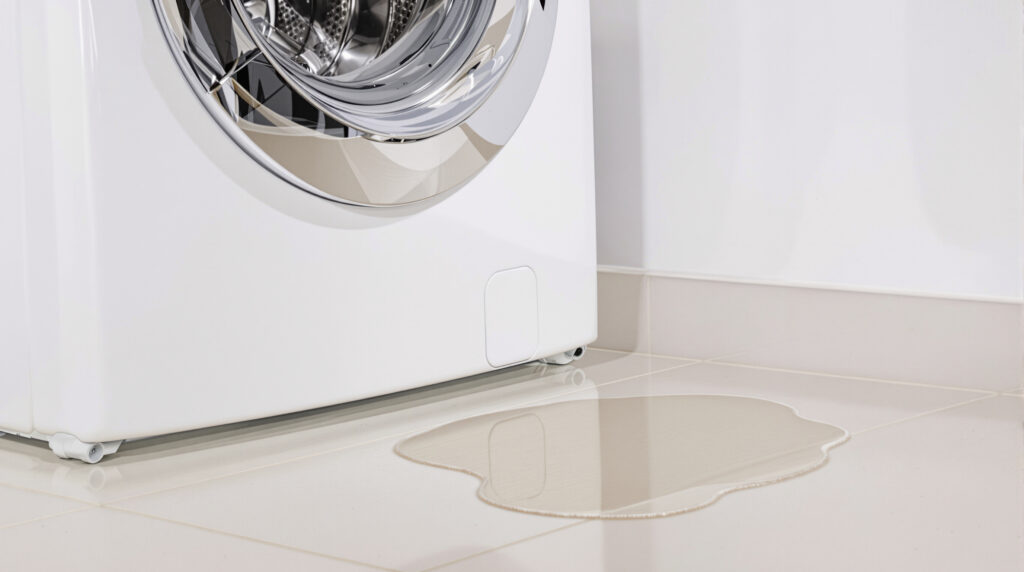
A washing machine that leaks from the bottom is every homeowner’s nightmare. You’re about to start laundry, and suddenly you notice water pooling underneath your machine. Water damage to your floors, walls, and surrounding cabinetry can quickly become expensive. The immediate panic of discovering that your washing machine leaks from the bottom often makes people freeze—but knowing what to do in those first few minutes can prevent disaster. This guide walks you through how to respond when your washing machine leaks, what’s likely causing the problem, and when to call a professional for help.
Understanding why your washing machine leaks from the bottom is the key to fixing it properly. Unlike leaks that occur from the back or sides of the machine, a leak originating from the bottom typically indicates a problem with the internal drain system, a rupture in a water line, or a failing seal. Some issues are simple enough to fix yourself, while others require professional diagnosis and repair. Let’s explore the common causes and solutions for bottom leaks.
Immediate Steps When Your Washing Machine Leaks
Stop the Leak First
If your washing machine leaks actively, your first priority is to stop water from continuing to pour. Move quickly to shut off the water supply valves behind the machine. There should be two valves—one for hot water and one for cold water. Turn both clockwise to close them. If the machine is currently running, open the lid (or press pause on front-load models) to stop the cycle. Some models may have a drain or emergency water release valve; consult your manual if you’re unsure how to access it.
Remove Standing Water
Use towels, a wet vacuum, or a mop to remove standing water around the machine. The longer water sits on your floor, the greater the risk of damage to subfloors, cabinetry, and adjacent appliances. Once the immediate water is gone, keep the area ventilated and dry to prevent mold growth. If significant water has accumulated, you may need to use a dehumidifier or open windows to dry the area thoroughly.
Do Not Use the Machine
Until you’ve identified and fixed the problem, do not run another wash cycle. Using the machine while it’s leaking will only cause more water damage and potentially worsen the underlying issue. If you need to do laundry urgently, use a laundromat or borrow a neighbor’s machine temporarily.
Diagnosing Why Your Washing Machine Leaks From the Bottom
Check the Drain Hose
The drain hose is responsible for removing water from the wash tub during the rinse and spin cycles. If this hose is cracked, punctured, or improperly connected, water will leak onto your floor. Get behind the machine and inspect the entire length of the drain hose for visible damage. Look for cracks, holes, or areas where the hose might be pinched. If the hose is damaged, it needs to be replaced—patching it is only a temporary solution that will eventually fail.
Check how the drain hose connects at both ends. At the machine end, it should be firmly attached with a hose clamp. At the other end, it should be securely inserted into your home’s drain or a standpipe. A loose connection is easy to fix by tightening the hose clamp or reattaching the hose more firmly.
Inspect the Pump and Seals
Your washing machine has a pump that forces water out through the drain hose. If the pump is leaking, or if the seals around the pump are worn, water will leak from the bottom of the machine. This is a more serious issue than a bad hose because it requires internal repair. Signs of pump problems include water leaking steadily even when the machine isn’t running, or leaks that continue throughout the wash cycle.
Look for a Cracked or Punctured Tub
The wash tub itself can develop cracks or holes over time, especially in older machines. Foreign objects—like a nail, sharp wire, or piece of broken plastic—can puncture the tub. When the tub has a hole, water leaks directly onto your floor, particularly during the wash cycle when the tub is full. Small cracks might only leak during the spin cycle when water is being forced out. Inspect the bottom and sides of the tub for visible damage if you can access it.
Check Inlet Hose Connections
While inlet hoses (which bring water into the machine) typically leak from the back, sometimes water can travel underneath the machine to leak from the bottom. Check both hot and cold water inlet hoses for cracks or loose connections. If an inlet hose is damaged or loose, water can pool inside the machine cabinet and eventually leak from the bottom.
Examine the Filter
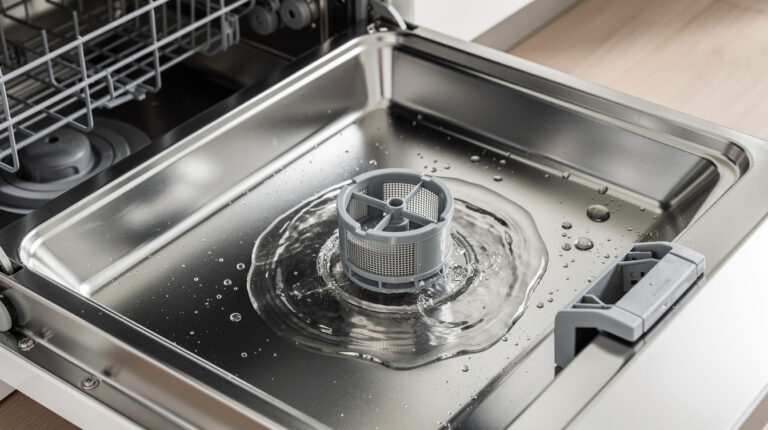
Many washing machines have a debris filter designed to catch small items that might otherwise damage the pump. If this filter becomes clogged or if its housing develops a crack, water can leak. The filter is usually located at the bottom front of the machine. Access it through a small removable panel and clean or replace it as needed.
Common Causes and Quick Fixes
Loose Drain Hose Connection
If your washing machine leaks from the bottom and the hose appears intact, a loose connection is often the culprit. Tighten the hose clamp with a screwdriver, turning clockwise until snug. Don’t over-tighten, as this can damage the hose. Test by running a short wash cycle and observing whether water still leaks. This simple fix solves many leaking problems.
Clogged Drain Filter
A clogged filter restricts water flow, causing backups that leak from the bottom of the machine. Most modern washing machines have a drain filter that you can access. Locate the filter access panel (usually at the bottom front), unscrew the filter, and clean out debris. Replace the filter if it appears cracked or damaged. This maintenance task takes just a few minutes and often resolves leaks completely.
Kinked or Twisted Drain Hose
If the drain hose is pinched behind the machine or twisted in a way that restricts water flow, pressure builds up inside the machine and can force water to leak from seals and weak points. Check behind the machine and straighten any kinked sections. Ensure the hose has a gentle downward slope toward the drain—never uphill—to allow gravity to assist drainage.
When to Call a Professional for Washing Machine Leaks
Some leaks require professional diagnosis and repair:
- Damaged pump seals: Water leaking even when the machine isn’t running typically indicates pump seal failure, requiring professional repair
- Cracked or punctured tub: A damaged tub usually requires tub replacement, which is a major repair best handled by professionals
- Failed internal connections: Water leaking from sealed internal connections requires disassembly of the machine
- Complex hose routing issues: If the drain hose configuration is unusual or if problems persist after simple fixes, professional assessment is warranted
- Water leaking from multiple locations: When your washing machine leaks from multiple areas simultaneously, internal damage is likely
If you’re in Vancouver, Burnaby, Coquitlam, North Vancouver, or the surrounding areas and your washing machine continues leaking after you’ve checked the obvious issues, Tech Angels offers professional washing machine repair services. Our technicians can quickly diagnose the exact cause and repair or replace whatever components are failing.
Prevention: Avoiding Future Leaks
Once you’ve fixed your washing machine leak, keep these maintenance tips in mind to prevent future problems:
- Inspect hoses annually for cracks or bulges
- Replace inlet hoses every 5-7 years as preventative maintenance
- Clean the drain filter monthly if your machine has one
- Ensure the machine is level—unlevel machines experience additional stress on seals and hoses
- Don’t overload the machine, which can strain the pump
- Keep the area behind the machine clear so hoses aren’t accidentally kinked
- Check water valve connections annually to ensure they remain tight
Regular maintenance will significantly reduce the likelihood of leaks. For more guidance on washing machine care, check out our comprehensive guide on how to maintain your washing machine and our article on signs your washing machine needs repair.
Act Quickly to Prevent Water Damage
A washing machine that leaks from the bottom needs prompt attention. Water damage to flooring and cabinetry can become extremely expensive if left unchecked. By quickly identifying the source of the leak and addressing it—whether it’s a simple hose tightening or a professional repair—you’ll protect your home and get back to normal laundry routines.
If you’ve determined the leak requires professional repair, don’t delay. The sooner you address it, the less damage occurs. Call Tech Angels at (604) 265-3565 or schedule a service appointment online today. We’re here to help get your washing machine running reliably again.
Identifying the Source of Your Washing Machine Leak
The first step in fixing a washing machine leak is pinpointing exactly where the water is coming from. Leaks can originate from several different areas, and the location tells you a lot about what’s causing the problem. Before troubleshooting, place towels around the machine to contain the water and prevent slipping hazards.
Front vs. Back Leaks
Leaks from the front of the washing machine typically indicate problems with the door seal, dispenser drawer, or pump. Water should never come out while the machine is running or during normal operation. Leaks from the back usually signal issues with water inlet hoses, outlet hoses, or internal valves. Understanding which direction the leak is coming from helps you narrow down the cause significantly.
Timing of the Leak
Does the leak happen during the fill cycle, wash cycle, rinse cycle, or drain cycle? The timing provides critical information. If water leaks during the fill cycle before any clothes are in the drum, the problem likely involves inlet valves or hoses. If it leaks during the wash cycle with the drum spinning, the issue might be with the drum seal or the tub itself. Leaks during the drain cycle often point to drain hose or pump problems.
Common Causes and Corresponding Solutions
Cracked or Damaged Door Seals
The rubber gasket around your washing machine door creates a watertight seal when closed. Over time, this rubber deteriorates from exposure to heat, moisture, and detergent. Small cracks or deterioration in the seal allow water to escape during the wash cycle. Fortunately, replacing the door seal is one of the most straightforward repairs you can do yourself.
To replace the seal, open the door and inspect the rubber gasket carefully. If you see visible cracks, tears, or if the rubber feels hard or brittle, it’s time for replacement. Door seals typically cost $50-150 depending on your machine’s brand and model. Replacement takes 15-30 minutes with basic tools. Consult your machine’s manual or search online for your specific model’s replacement instructions.
Clogged or Damaged Drain Hose
The drain hose removes water from your washing machine at the end of the wash cycle. If this hose becomes kinked, clogged, or damaged, water backs up and leaks out around the machine’s base. Check if the hose is properly connected to both the washing machine and your home’s drain system. Many leaks occur simply because the hose has slipped loose or is bent at an awkward angle.
Straighten any kinks in the hose and ensure it’s positioned with a slight downward slope toward the drain. If the hose is cracked or punctured, it needs replacement—patching usually creates new leaks within weeks. A replacement drain hose costs $15-30 and is a very DIY-friendly replacement.
Faulty Water Inlet Valves
Water inlet valves control the flow of hot and cold water into your washing machine. When these valves fail, water continues flowing even when it shouldn’t, causing leaks. If you notice water leaking before the cycle even starts, or if water doesn’t stop flowing when it should, faulty inlet valves are likely the culprit.
Replacing inlet valves requires turning off the water supply, disconnecting hoses, and removing the valve assembly. This is a moderate DIY project that takes 30-60 minutes depending on your machine’s design. If you’re not comfortable working with plumbing connections, this is a good time to call a professional. Inlet valves typically cost $40-80 per valve, and machines usually have two (one for hot water, one for cold).
Pump Problems and Leaks
The pump removes water from the tub during the drain cycle. A failing pump can cause water to leak from the bottom of the machine or fail to drain completely. If you notice standing water in the tub after a cycle completes, the pump might be the problem. Listen for unusual grinding sounds, which often indicate pump failure.
Pump replacement is more complex and usually requires professional help. However, before assuming pump failure, check for a clogged drain filter or kinked drain hose first—these are more common and easier to fix.
Preventing Future Washing Machine Leaks
Regular Maintenance Schedule
Many washing machine leaks are preventable with proper maintenance. Run a cleaning cycle monthly using a commercial washing machine cleaner. This removes detergent buildup and mold that can deteriorate seals faster. In areas with hard water, like Vancouver, mineral deposits accelerate seal degradation, making regular cleaning especially important.
Proper Detergent Usage
Using too much detergent is a common mistake that accelerates seal wear and creates excessive suds. High-efficiency machines require special low-suds detergent. Using regular laundry detergent in an HE machine creates excess suds that can overwhelm the drainage system and cause leaks. Always check your machine’s manual for detergent recommendations.
Hose Inspection Routine
Every six months, inspect your washing machine hoses for cracks, bulges, or soft spots. Replace hoses every 5 years or if you notice any deterioration. Modern braided steel hoses are more durable than older rubber hoses and are worth the investment. It’s far cheaper to replace hoses preventively than to deal with water damage from a burst hose.
When Professional Help is Necessary
Some washing machine leak issues require professional intervention. If you’ve checked the door seal, drain hose, and water connections and still can’t identify the source, internal drum or tub damage might be occurring. Small cracks in the tub or drum can’t be repaired and require drum or tub replacement, which is a major repair.
Tech Angels, serving the Vancouver and surrounding areas, can perform a complete diagnostic on your leaking washing machine. Our technicians have specialized equipment to identify internal leaks and can repair or replace components as needed. We can often fix washing machine leaks for $150-400 depending on the cause, which is usually much less than replacement cost.
If your washing machine is older than 8-10 years and requires significant repairs, it might be more economical to replace it with a new, more efficient model. We can help you weigh the repair vs. replacement decision based on your specific situation.
Related Articles
Explore more appliance care tips from the Tech Angels blog: