Understanding Washing Machine Bearings and Why They Matter
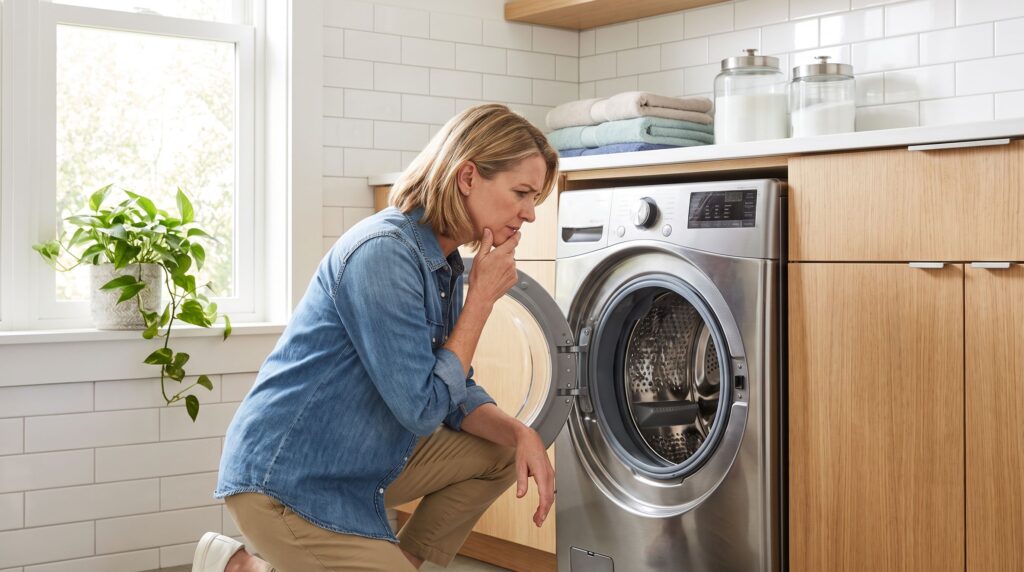
If your washing machine is making strange noises or you have noticed water pooling beneath it, you might be dealing with failing washing machine bearings. These small but crucial components support your drum’s rotation, and when they wear out, it can mean anything from annoying sounds to complete machine failure. In Vancouver, homeowners often do not realize how important bearing maintenance is until their machine breaks down unexpectedly during the middle of a busy week.
Bearings are essentially ball-shaped metal components that allow your drum to spin smoothly and efficiently. Over time, with constant use and exposure to water, these bearings can deteriorate. Understanding the early warning signs can save you thousands of dollars in repairs or replacement costs. Many Vancouver homeowners have found themselves facing unexpected repair bills when they could have addressed bearing problems early on.
The average household washes clothes multiple times per week, which means your washing machine is constantly working. Each cycle puts stress on the bearing system, gradually wearing down these essential components. When you understand what to look for, you can catch problems before they become catastrophic failures that require complete machine replacement.
Grinding and Rumbling Noises: The First Warning Sign
One of the most common indicators of failing washing machine bearings is an unusual grinding or rumbling noise during the spin cycle. This sound is distinctly different from normal wash cycle sounds. If you notice a loud, metallic grinding that grows progressively worse with each load, your bearings are likely deteriorating.
The grinding happens because metal ball bearings are wearing down against their races. As the protective lubrication breaks down, metal-on-metal contact creates friction and noise. If you hear this sound, do not ignore it. The longer you run your machine with bad bearings, the more damage spreads to surrounding components like the drum shaft and tub seals.
What makes this sound particularly concerning is that it signals advanced wear. By the time you hear grinding, the bearings have already experienced significant deterioration. This means acting quickly is essential to prevent additional damage that could make repair costs skyrocket. Some customers report hearing grinding sounds for weeks before calling for service, only to discover thousands of dollars in additional damage has occurred.
What Does the Noise Sound Like?
Most homeowners describe the sound as similar to:
- Gravel tumbling inside the drum during spin cycles
- A helicopter blade spinning at high speed
- Marbles rolling inside metal containers
- A loud squeal or screech that changes pitch during operation
- A rhythmic rattling that increases with spin speed
If any of these descriptions match what you are hearing, it is time to investigate further. The sooner you address bearing issues, the better your chances of saving other parts of your machine. Recording the sound with your smartphone and sharing it with a technician can help them diagnose the problem more quickly.
Drum Wobble and Visible Movement
Another clear sign of failing washing machine bearings is a visibly wobbly drum. If you open your washing machine door mid-cycle and notice the drum is not spinning smoothly or appears to be hitting the sides of the tub, your bearings have likely worn beyond safe limits. This visible movement is one of the most obvious indicators that professional service is needed.
A properly functioning drum should spin perfectly centered within the outer tub. When bearings fail, they can no longer maintain this alignment. The drum may shift side to side or move up and down, sometimes even touching the outer tub wall. This is not only noisy but can cause further damage to both the drum and the tub, creating additional repair costs.
The physics behind this problem is straightforward. Bearings are designed to keep the drum centered as it rotates at high speed. When they wear out, they cannot maintain that precision. The drum becomes loose and starts making contact with parts it should never touch. Each contact point causes more wear and damage, creating a cascading failure pattern.
To check for wobble, run your machine through a cycle and listen carefully. Some machines allow you to open the door during certain cycles. If the drum movement seems uneven or the machine experiences unusual vibration, bearing failure is likely the culprit. You might also notice that the machine feels unbalanced or seems to pull clothes more on one side than the other.
Water Leaks Originating from Below the Machine
Failing washing machine bearings often cause water to leak from underneath your machine. This happens because as bearings deteriorate, they can perforate the inner drum or allow seals to fail. Water that should stay inside the machine escapes down into the bearing assembly and eventually leaks out the bottom. This is one of the most problematic symptoms because it can damage your flooring, create mold issues, and indicate structural failure of the drum.
This type of leak is particularly problematic because it can damage your flooring and create mold or mildew issues in your home. If you notice water pooling beneath your washing machine, especially during or immediately after the spin cycle, it is time to call a professional. Ignoring water leaks can lead to water damage in your laundry room, foundation issues, and mold that affects your home’s air quality.
Many Vancouver homeowners have experienced water damage from leaking washing machines. The financial impact goes beyond just repairing the machine. You may need to replace flooring, deal with moisture damage, and address mold remediation. Taking action immediately when you notice a leak can prevent these secondary costs from accumulating.
Distinguishing Bearing Leaks from Other Issues
Not all leaks mean bad bearings. However, if you notice these specific indicators, bearing failure is likely:
- Water leaking specifically during the spin cycle when drum is rotating
- Leaks that appear to come from the center-bottom of the machine
- Combined presence of grinding noises and drum wobble along with leaks
- Persistent leaks despite checking hoses and drain connections
- Visible rust or deterioration in bearing areas when accessible
Then failing bearings are likely the problem. Tech Angels technicians in Vancouver can diagnose bearing issues quickly and accurately. We have seen hundreds of cases where customers thought their leak was a simple hose problem, only to discover advanced bearing failure.
Excessive Vibration During Operation
When your washing machine vibrates excessively during the spin cycle, it is often a sign of bearing problems. A machine with functioning bearings should operate relatively smoothly, with minimal vibration even during the high-speed spin phase. Excessive vibration is your machine’s way of telling you something is seriously wrong with the drum support system.
Failing bearings cannot properly balance the drum’s rotation, causing it to wobble. This creates vibration that transfers throughout the machine and even to your floor. If your washing machine seems to walk across your laundry room or shakes violently during spin cycles, get it inspected. The vibration can be so severe that it damages surrounding cabinets or flooring.
Excessive vibration does not just indicate a problem—it actually accelerates damage. The constant movement strains other components and can cause additional issues. What started as worn bearings can quickly become a problem affecting your drum, suspension system, and even the machine’s frame. The vibration can also cause the machine to stop mid-cycle or trigger safety shutoffs that interrupt your laundry routine.
Front-Load vs. Top-Load Bearing Issues
Both front-load and top-load washing machines use bearings, but they are configured differently and may show different failure patterns. Understanding your machine type helps you anticipate potential problems.
Front-Load Washers
Front-load machines typically have bearings located at the rear of the drum. These bearing failures are quite common because the constant tumbling motion and moisture exposure puts significant stress on them. Front-loaders often require bearing replacement between 5-8 years of use, depending on water quality and usage frequency.
Vancouver residents using front-loaders should pay special attention to maintenance, as our water’s mineral content can accelerate bearing wear. The minerals in our local water supply accumulate on bearing surfaces, reducing lubrication effectiveness and speeding up deterioration. Regular maintenance with appropriate cleaning cycles can extend bearing life.
Top-Load Washers
Top-load machines have a different bearing configuration, often with bearings supporting the vertical drum shaft. While the failure patterns differ slightly, bearing problems are equally serious. Top-load machines might show different symptoms, like the drum refusing to spin or spin inconsistently.
The good news is that top-load bearing issues sometimes develop more gradually, giving you a slightly longer window to address them before major damage occurs. You might notice performance degradation over several months rather than sudden failure.
Bearing Replacement Costs and What to Expect
Understanding the financial aspect of bearing failure helps you make informed decisions. Bearing replacement costs vary significantly based on your machine’s make and model, age, and the extent of additional damage.
Cost Breakdown
- Parts cost: 150 to 400 dollars for replacement bearing assemblies and related seals
- Labor cost: 200 to 500 dollars depending on complexity and accessibility
- Total typical repair: 350 to 900 dollars for standard machines
- Premium or specialty machines: potentially 1200 to 1800 dollars
High-end or specialty machines may cost significantly more. In some cases, if your machine is older or has other failing components, the repair cost might approach 50-60 percent of a new machine’s price. This is where the repair versus replace decision becomes important and requires careful analysis.
Preventing Additional Damage = Saving Money
Catching bearing problems early prevents secondary damage that multiplies repair costs. A machine that has been running on failing bearings for weeks might have damage to:
- The drum itself with permanent wear patterns
- The outer tub with scored or dented surfaces
- Suspension springs and dampers that are strained
- Motor bearings that have been overworked
- Seals and gaskets throughout the system
What could have been a 500 dollar bearing repair becomes a 1500 to 2000 dollar nightmare. Tech Angels customers who address bearing issues early always save money in the long run. We recommend prompt action as soon as warning signs appear.
When to Repair vs. When to Replace
Making the repair or replace decision depends on several factors beyond just the bearing replacement cost. This is an important decision that deserves careful consideration.
Consider Repair If:
- Your machine is less than 7 years old and otherwise reliable
- The bearing is the only major issue present
- Total repair cost is under 40 percent of a new machine
- You have no other recurring problems with the machine
- The machine’s model is reliable overall with good reviews
- You have been happy with the machine’s performance
Consider Replacement If:
- Your machine is over 10 years old and has history of problems
- There are multiple failing components needing repair
- Total repair cost exceeds 50-60 percent of replacement cost
- You have a history of repeated breakdowns
- Your machine’s brand has known reliability issues
- You want modern features like variable speed or smart controls
Tech Angels technicians can evaluate your specific situation and provide honest recommendations. We are not just looking for repair work—we want to help you make the decision that is best for your household and your budget.
Maintenance Tips to Extend Bearing Life
While bearings will eventually wear out, proper maintenance can significantly extend their lifespan and delay expensive repairs. Smart maintenance practices are one of the best investments you can make in your appliances.
Regular Maintenance Practices
- Clean the detergent dispenser: Buildup can cause excess suds and stress on bearings
- Do not overload: Excessive weight strains the bearing system significantly
- Use appropriate detergent: Too much soap increases stress on all components
- Run cleaning cycles: Many machines have self-cleaning modes that reduce buildup
- Check water quality: Hard water can accelerate bearing wear, consider a water softener
- Avoid excessive heat: Hot water deteriorates bearing lubrication faster than cold
- Leave door open between uses: Allows moisture to evaporate and prevents mold
These simple steps will not prevent bearing failure indefinitely, but they can add years to your machine’s life. Many of our customers have extended their machine lifespan by 3-5 years through consistent maintenance practices.
Professional Bearing Inspection and Diagnosis
If you suspect bearing problems, professional diagnosis is crucial. Tech Angels technicians have the tools and expertise to accurately identify bearing issues before they spiral into major damage. We use specialized equipment to test bearing integrity and predict remaining lifespan.
During an inspection, we will:
- Listen for characteristic bearing failure sounds using specialized stethoscopes
- Check for water leaks and trace their source precisely
- Assess drum alignment and movement during test cycles
- Evaluate overall machine condition and other potential issues
- Provide honest repair or replace recommendations based on your specific situation
Our Vancouver service area includes all neighborhoods, and we can typically schedule appointments within 24-48 hours. Do not let bearing problems linger—the longer you wait, the more expensive the fix becomes. Early intervention is always the most cost-effective approach.
Getting Help in Vancouver
If you are experiencing grinding noises, drum wobble, water leaks, or excessive vibration from your washing machine, contact Tech Angels today. We serve all of Vancouver and surrounding areas with same-day and next-day service appointments available. Our technicians specialize in diagnosing and repairing all major appliances, and we have helped hundreds of Vancouver families get their washing machines running smoothly again. We will give you honest advice about whether your machine needs bearing replacement or if a full replacement is the better choice for your situation. Call us now for a professional diagnosis.
Related Articles
Explore more appliance care tips from the Tech Angels blog: