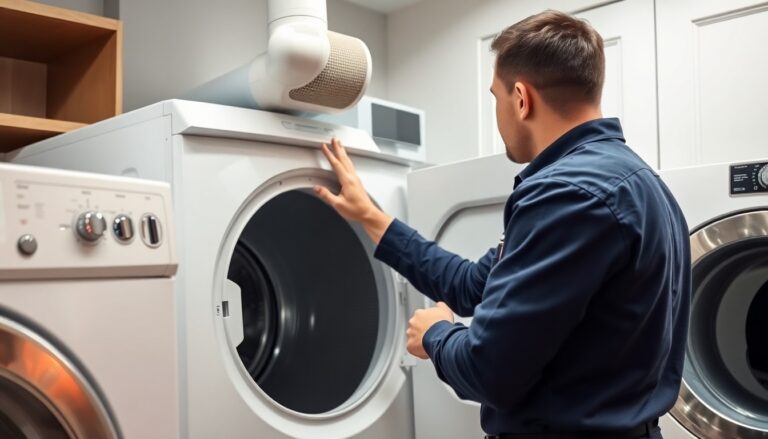
Why Summer Is the Best Time to Maintain Your Appliances
Summer in Vancouver is a beautiful thing. The sun is out, the days are long, and the last thing you want to deal with is a broken appliance. That is exactly why summer is the perfect time to give your household appliances a little attention. A quick maintenance check now can prevent a frustrating breakdown during the busiest time of the year.
Think about it: your refrigerator is working harder to keep up with the warmer temperatures. Your washing machine is handling extra loads from beach towels, outdoor clothes, and kids’ summer gear. Your dishwasher is running overtime after backyard barbecues. Every major appliance in your home is under increased demand during the summer months.
This checklist will walk you through simple maintenance tasks for each of your major appliances. Most of these take just a few minutes and require no special tools. By spending a little time now, you can avoid costly emergency repairs later and keep everything running efficiently all season long.
Refrigerator Summer Maintenance
Your refrigerator works harder in the summer than any other time of year. Higher ambient temperatures mean the compressor has to run more frequently to maintain the set temperature. Here is how to help it keep up:
Clean the Condenser Coils
The condenser coils are located either on the back of your refrigerator or underneath it behind a kick plate. These coils release heat from the refrigeration process, and when they are coated with dust, pet hair, and debris, your fridge has to work much harder to cool down. Pull your fridge away from the wall and vacuum the coils with a brush attachment, or use a specialized condenser coil brush. This single task can make a noticeable difference in your refrigerator’s performance and energy consumption.
Check the Door Seals
Run the dollar bill test on your refrigerator and freezer door seals. Close the door on a dollar bill and try to pull it out. If it slides out easily, the seal is not tight and your fridge is leaking cold air. Clean the gaskets with warm soapy water and apply a thin layer of petroleum jelly to keep them flexible. Considering professional refrigerator repair if the seals are cracked or worn through is a smart move before summer heat puts extra strain on your unit.
Set the Right Temperature
Your refrigerator should be set between 1 and 4 degrees Celsius, and your freezer at minus 18 degrees Celsius. Use an appliance thermometer to verify these temperatures. In summer, you may need to adjust the settings slightly to compensate for the warmer environment, but avoid setting the temperature too low, as this wastes energy and can freeze items in the fridge section.
Clear the Vents
Make sure the air vents inside your refrigerator and freezer are not blocked by food items. These vents circulate cold air throughout the compartments. Blocking them creates warm spots and makes the compressor work harder.
Check the Drain Pan and Defrost Drain
The drain pan underneath your refrigerator collects condensation. In summer, higher humidity means more condensation, which can lead to odors or even mold if the pan is not clean. Pull it out, wash it with warm soapy water, and replace it. Also check that the defrost drain inside the fridge is clear and not clogged with food particles or ice.
Washing Machine Summer Maintenance
Summer means more laundry. Between beach towels, outdoor activity clothes, and the general increase in wardrobe changes, your washing machine gets a serious workout. Here is how to keep it in top shape:
Clean the Drum and Gasket
Run an empty hot water cycle with two cups of white vinegar or a washing machine cleaner tablet once a month. This removes soap residue, mildew, and bacteria that build up inside the drum. For front-load washers, wipe down the rubber door gasket after every use to prevent mold growth. The folds of that gasket trap moisture and are a common source of musty washing machine odors.
Inspect the Hoses
Check both the hot and cold water supply hoses for bulges, cracks, or signs of wear. These hoses are under constant water pressure, and a burst hose can cause serious water damage in minutes. If your hoses are more than five years old or show any signs of deterioration, replace them with braided stainless steel hoses, which are much more resistant to bursting.
Clean the Filter
Many washing machines have a filter or debris trap that catches coins, hair ties, and other small items. Check your owner’s manual for the location of the filter and clean it out. A clogged filter can restrict water flow and affect washing performance.
Level the Machine
A washing machine that is not level will vibrate excessively during the spin cycle, which can damage the drum bearings and other internal components over time. Place a level on top of the machine and adjust the leveling feet until it is perfectly balanced. All four feet should be firmly on the floor with no wobble.
Leave the Door Open Between Loads
This is especially important for front-load washers. Leaving the door slightly ajar between loads allows the drum and gasket to dry out, preventing mold and mildew growth. Vancouver’s summer humidity can make this worse, so make it a habit.
Dryer Summer Maintenance
Even though you might use your dryer slightly less in summer thanks to the option of line drying, it still needs regular maintenance. A well-maintained dryer is safer and more efficient. Here is what to focus on for your dryer:
Clean the Lint Trap Before Every Load
This is basic dryer maintenance, but it is worth emphasizing. A clean lint trap improves airflow, reduces drying time, and lowers the risk of a dryer fire. Peel off the lint after every single load, no exceptions.
Deep Clean the Lint Trap Monthly
Even if you clean the lint after every load, residue from dryer sheets and fabric softener can build up on the screen. Once a month, wash the lint trap with warm water and a soft brush to remove any film. Let it dry completely before putting it back in.
Clean the Dryer Vent
Disconnect the dryer vent hose from the back of the machine and use a vent brush to clean out lint buildup. Also go outside and check the exterior vent flap. Make sure it opens freely and is not blocked by lint, debris, or even bird nests. A clogged dryer vent is a leading cause of house fires, and summer is a great time to tackle this important safety task.
Check the Exterior Vent While It Is Running
Turn on your dryer and go outside to check the vent exhaust. You should feel a strong stream of warm air coming out. If the airflow is weak, there is a blockage somewhere in the vent line that needs to be addressed.
Vacuum Behind and Underneath
Pull your dryer away from the wall and vacuum behind and underneath it. Lint accumulates in these areas and can be a fire hazard. While the dryer is pulled out, also inspect the vent hose for kinks, damage, or crushing.
Dishwasher Summer Maintenance
Summer entertaining means your dishwasher is likely running more frequently than usual. Keep it performing its best with these maintenance steps:
Clean the Filter
Most modern dishwashers have a removable filter at the bottom of the tub. Remove it, rinse it under running water, and use a soft brush to remove any food debris. A dirty filter reduces cleaning performance and can cause odors. Check your owner’s manual if you are not sure how to remove the filter on your model.
Run a Cleaning Cycle
Once a month, run an empty cycle on the hottest setting with a cup of white vinegar placed in a dishwasher-safe container on the top rack. This removes grease, limescale, and odor-causing buildup from the interior. Follow it up by sprinkling baking soda on the bottom of the tub and running a short hot cycle for extra freshening.
Inspect the Spray Arms
Remove the spray arms and check the small holes for clogs. Food particles, mineral deposits, and bits of broken dishes can block these holes and reduce cleaning performance. Use a toothpick or thin wire to clear any blockages, then rinse the spray arms under running water.
Check the Door Gasket
Just like your refrigerator, your dishwasher has a door gasket that can collect food debris and mold. Wipe it down with a damp cloth and mild soap. Check for cracks or signs of wear that could lead to leaks.
Inspect the Drain
Check the drain area at the bottom of the dishwasher for any debris that could cause drainage problems. Remove any food particles, broken glass, or other obstructions. Good drainage is essential for clean dishes and preventing water damage.
Oven and Range Summer Maintenance
You might use your oven less in summer thanks to outdoor grilling, which makes it the perfect time for a thorough cleaning and inspection:
Deep Clean the Oven Interior
Summer is an ideal time to give your oven a deep clean because you can open windows for ventilation, whether you use the self-clean function or a manual cleaning method. Remove the racks and soak them in warm soapy water. Wipe down the interior with a paste of baking soda and water, let it sit for several hours, then wipe clean with a damp cloth and a splash of vinegar.
Check the Door Seal
The oven door seal keeps heat inside where it belongs. Inspect it for tears, gaps, or hardened sections. A damaged oven door seal wastes energy and can make your oven heat unevenly.
Test the Burners
If you have an electric range, turn on each burner and make sure it heats evenly. Look for any spots that glow brighter or dimmer than others, which could indicate a failing element. For smooth-top ranges, check the surface for cracks that could allow moisture to reach the electrical components underneath.
Clean the Range Hood and Filter
Your range hood filter traps grease and cooking vapors. Remove it and soak it in hot water with dish soap and baking soda for 15 minutes, then scrub and rinse. A clean filter improves ventilation and reduces cooking odors. If you have a ducted range hood, make sure the exterior vent is clear.
General Appliance Tips for Vancouver Summers
Beyond the appliance-specific maintenance tasks, here are some general tips that apply across the board:
Know When to Reset
Many modern appliances have electronic control boards that can occasionally glitch, especially during power fluctuations that are common in summer storms. Knowing how to reset your appliances can save you a service call. Often, simply unplugging the appliance for a minute and plugging it back in resolves minor electronic issues.
Consider Appliance Age
If you are spending more and more on repairs, it might be time to think about replacement. Understanding how long your appliances should last can help you decide whether it makes sense to keep repairing or invest in a new unit. Our guide on repair versus replace decisions can help you make the most cost-effective choice.
Keep Appliances Away from Direct Sunlight
If any of your appliances are positioned near windows that get direct afternoon sun, consider using blinds or curtains during the hottest part of the day. This is especially important for refrigerators, which have to work harder when exposed to direct heat.
Ensure Proper Ventilation
All appliances need adequate airflow around them to operate efficiently. Make sure your refrigerator has at least two to three inches of clearance on all sides and above. Check that your dryer vent path is clear and as short as possible. Ensure your dishwasher’s air gap or high drain loop is functioning properly.
Check Your Water Supply
Summer is a good time to inspect the water supply connections to your refrigerator (for the ice maker and water dispenser), washing machine, and dishwasher. Look for drips, corrosion, or mineral buildup at the connections. Tighten any loose fittings and replace washers if you notice even small drips.
Create a Seasonal Maintenance Schedule
The best way to stay on top of appliance maintenance is to create a simple schedule. Here is a quick reference you can use:
Monthly Tasks
- Clean washing machine drum and gasket
- Deep clean dryer lint trap
- Clean dishwasher filter
- Run dishwasher cleaning cycle
- Wipe down refrigerator door gaskets
Quarterly Tasks
- Vacuum refrigerator condenser coils
- Inspect washing machine hoses
- Check dishwasher spray arms
- Clean range hood filter
- Test all oven burners
Annual Tasks
- Professional dryer vent cleaning
- Deep clean oven interior
- Replace washing machine hoses if over five years old
- Inspect all appliance power cords and plugs
- Check appliance leveling and adjust as needed
When Maintenance Is Not Enough
Regular maintenance goes a long way toward keeping your appliances running reliably, but sometimes problems develop that go beyond what a simple cleaning can fix. Strange noises, error codes, water leaks, or intermittent performance issues are all signs that something more serious may be going on.
When you run into an issue that maintenance cannot solve, the team at Tech Angels is here to help. We service all major appliance brands across Vancouver and can quickly diagnose and fix problems before they become bigger and more expensive. Whether it is a refrigerator that is not cooling, a washer that will not spin, or a dryer that is not heating, getting the issue addressed early almost always saves money in the long run.
Enjoy your Vancouver summer knowing that your appliances are ready to handle whatever the season throws at them. A little maintenance now pays off in reliability, efficiency, and peace of mind all summer long.