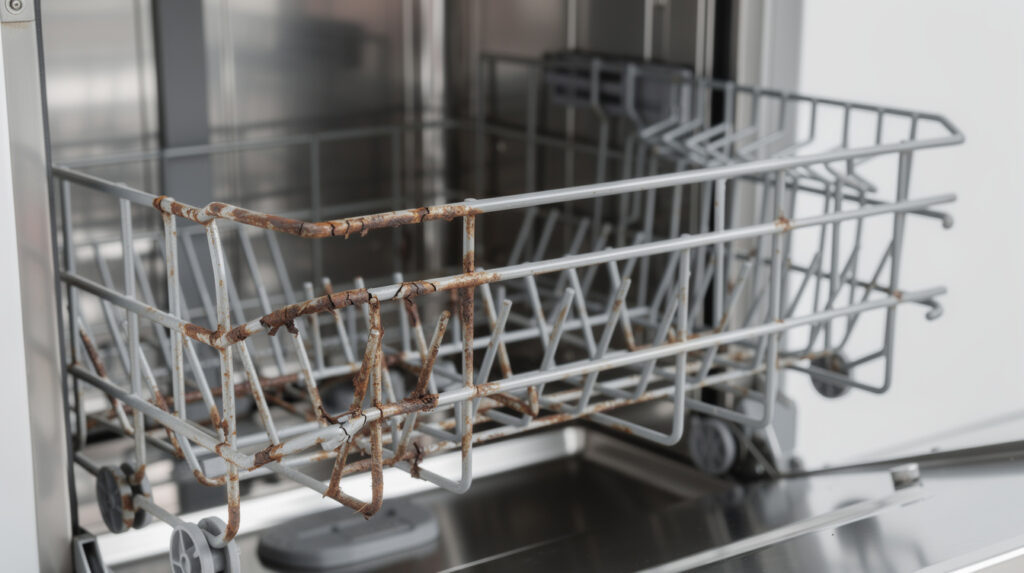
What Causes Dishwasher Rack Rust in the First Place?
If you have ever pulled out your dishwasher rack and noticed reddish-brown spots, flaking coating, or rough patches where the smooth vinyl covering used to be, you are dealing with dishwasher rack rust. It is an incredibly common problem, and it tends to get worse quickly if you do not address it. Those rusted tines and bars can stain your dishes, scratch your glassware, and even cause rust particles to clog your dishwasher’s pump and spray arms.
The good news is that preventing rack rust — and repairing it when it starts — is straightforward and inexpensive. In this guide, we will explain why it happens, how to fix it, and what steps you can take to keep your dishwasher racks in great condition for years to come.
The Anatomy of a Dishwasher Rack
Dishwasher racks are made of steel wire coated with a layer of vinyl or rubber. This coating protects the metal underneath from the hot water, detergent, and steam that the rack is exposed to during every wash cycle. When that protective coating is intact, the steel underneath stays rust-free. But the moment the coating is compromised — even a small chip or crack — water reaches the bare metal, and rust begins to form.
Common Causes of Coating Damage
- Normal wear and tear: Over time, the constant loading and unloading of dishes, pots, and utensils wears down the vinyl coating, especially on the tips of the tines where items are placed and removed.
- Sharp or heavy items: Knives, forks, metal baking sheets, and cast iron cookware can chip the coating when placed aggressively or when they shift during the wash cycle.
- Harsh detergents: Some dishwasher detergents are more abrasive than others. Powder detergents, in particular, can be rougher on the rack coating than liquid or pod formulations.
- High water temperature: While hot water is necessary for cleaning, consistently very high temperatures can cause the vinyl coating to become brittle over time, making it more prone to cracking.
- Age: Like all components, the rack coating simply degrades with years of use. A rack that has been through thousands of wash cycles will inevitably show wear.
Why You Should Not Ignore Dishwasher Rack Rust
It might be tempting to live with a few rusty spots on your dishwasher rack, especially if the dishwasher is otherwise working fine. But there are several good reasons to address the problem promptly.
Rust Stains on Your Dishes
Rust from the rack can transfer to your dishes, glasses, and utensils during the wash cycle. You might notice orange or brown stains on white plates, or a metallic residue on your glassware. This is not just unsightly — it can be difficult to remove, and nobody wants to eat off dishes that look dirty even after they have been washed.
Damage to the Dishwasher Itself
As rust progresses, small flakes of metal can break off the rack and enter the dishwasher’s drain system. These particles can clog the filter, damage the pump impeller, or block the spray arm nozzles. Repairing or replacing these components is far more expensive than fixing the rack early on.
Scratched Glassware and Cookware
Exposed metal tines without their smooth vinyl coating are rough and abrasive. Delicate glassware, non-stick cookware, and fine china can be scratched or damaged when resting on rusted, bare-metal rack tines.
Reduced Rack Lifespan
Rust spreads. What starts as a small chip in the coating can expand rapidly as water repeatedly contacts the exposed metal. Within a few months, a rack with a couple of rusty spots can deteriorate to the point where it needs to be replaced entirely. A new dishwasher rack typically costs between $50 and $150, depending on the brand and model — money you can save with timely maintenance.
How to Repair Rusty Dishwasher Racks
If your rack already has rust spots, the good news is that repair kits are widely available and easy to use. Here is how to fix the damage before it spreads.
What You Will Need
- A dishwasher rack repair kit (available at hardware stores and online — typically $10 to $20). These kits include vinyl paint or coating and replacement tine tips.
- Fine-grit sandpaper (220 grit or higher)
- White vinegar or a rust remover product
- Clean cloths or paper towels
- Rubbing alcohol
Step 1: Remove the Rack
Slide the rack out of the dishwasher completely. Most racks lift out easily once you disengage the stop clips on the tracks. Working on the rack outside the dishwasher gives you much better access to all the tines and bars.
Step 2: Clean and Remove Existing Rust
Use fine-grit sandpaper to gently sand away the rust from the affected areas. Sand until you see clean, bare metal underneath — do not leave any rust behind, as it will continue to spread under the new coating. For stubborn rust, apply white vinegar or a commercial rust remover and let it sit for 15 to 20 minutes before sanding.
Step 3: Clean the Sanded Areas
Wipe the sanded spots with rubbing alcohol to remove any dust, oil, or residue. The surface needs to be completely clean and dry for the new coating to adhere properly.
Step 4: Apply the Vinyl Coating
Using the applicator from your repair kit, apply a thin, even layer of vinyl sealant or paint over the sanded areas. Make sure to cover beyond the edges of the damaged area to create a good seal with the existing coating. Most products require you to apply two or three thin coats, allowing each coat to dry for the time specified on the product label — usually about two hours between coats.
Step 5: Replace Damaged Tine Tips
If the tips of any tines are badly rusted or the coating has worn away completely, use the replacement tine tips included in the repair kit. These are small vinyl caps that slip over the end of each tine. Sand and clean the tine tip first, then push the cap on firmly. Some caps require a drop of the vinyl sealant inside for extra adhesion.
Step 6: Let It Cure
After applying the final coat or installing tine tips, let the rack cure for at least 24 hours before putting it back in the dishwasher and running a cycle. This allows the coating to fully harden and bond to the metal.
Preventing Rack Rust: Daily Habits That Make a Difference
Prevention is always easier and cheaper than repair. By adjusting a few habits in how you load and use your dishwasher, you can significantly extend the life of your racks.
Load Dishes Carefully
The number one cause of coating damage is rough loading. Instead of dropping dishes and utensils into the rack, place them gently. Avoid sliding heavy items like cast iron skillets or ceramic baking dishes across the rack — lift them in and out.
Keep Sharp Items Away From the Rack Surface
Knives and other sharp utensils should be placed in the silverware basket with the blade facing down, not wedged between the rack tines where they can slice through the coating. Better yet, hand-wash sharp knives — it is gentler on both the knives and the dishwasher.
Use the Right Detergent
Liquid dishwasher detergents and pods tend to be gentler on rack coatings than powder detergents. If you have been using a powder formula and notice coating wear, switching to a liquid or pod may slow the degradation. Also, avoid using more detergent than recommended — excess detergent does not clean better and can be more abrasive on the rack.
Do Not Overload the Dishwasher
Cramming too many items into the dishwasher forces dishes and cookware into tight contact with the rack tines, increasing the chance of chipping. It also reduces cleaning effectiveness, which might mean running additional cycles — more wear on the rack for every load. For tips on getting the best results from each wash, check out our article on dishwasher drying tips and tricks.
Inspect the Racks Regularly
Make it a habit to visually inspect the rack every month or so. Look for any spots where the coating has chipped or worn away, especially on the tine tips and along the front and back edges of the rack where loading is heaviest. Catching a small chip early and applying a dab of vinyl sealant takes five minutes and can prevent a much larger repair job later.
Avoid Abrasive Cleaning Inside the Dishwasher
When cleaning the interior of your dishwasher, avoid using steel wool, abrasive sponges, or harsh chemical cleaners near the racks. A soft cloth with warm, soapy water or a vinegar rinse is all you need.
When to Replace Instead of Repair
There comes a point when repairing the rack is no longer practical and replacement makes more sense. Here are the signs that it is time for a new rack:
- Widespread rust: If more than 25 to 30 percent of the tines are rusted or the coating has worn away in large sections, patching individual spots will be a losing battle.
- Structural damage: If tines are bent, broken, or missing entirely, the rack cannot support dishes properly and may damage items during the wash cycle.
- The rack sags or wobbles: A warped rack does not roll smoothly on its tracks and may not fit properly in the dishwasher, causing leaks or mechanical issues.
- Repeated rust recurrence: If you have repaired the same spots multiple times and the rust keeps coming back, the metal underneath may be too deteriorated for the vinyl coating to adhere.
If you are dealing with white film on your glasses after running the dishwasher, it might be worth checking whether rust particles are contributing to residue issues alongside hard water or detergent problems.
Finding the Right Replacement Rack
Dishwasher racks are specific to the make and model of your dishwasher. To find the correct replacement, check the model number on the label inside the dishwasher door, then search for the part online or contact the manufacturer. Aftermarket racks are available for many popular models and can be more affordable than OEM parts, but make sure they are compatible with your dishwasher’s track system and spray arm configuration.
How Rack Maintenance Fits Into Overall Dishwasher Care
Taking care of your dishwasher racks is one piece of a larger maintenance picture. Your dishwasher has several components that benefit from regular attention, and keeping everything in good condition extends the overall life of the appliance.
Clean the Filter Regularly
Most modern dishwashers have a removable filter at the bottom of the tub. Food particles, grease, and — if the rack is rusting — metal flakes can accumulate in this filter. Cleaning it every two to four weeks keeps the dishwasher draining properly and prevents odours.
Check the Spray Arms
The spray arms have small nozzles that can become clogged with mineral deposits, food debris, or rust particles. Remove the spray arms periodically and clean the nozzles with a toothpick or thin wire.
Inspect the Door Gasket
The rubber seal around the dishwasher door can accumulate grime and develop mold. Wipe it down monthly with a damp cloth and a bit of vinegar to keep it clean and pliable.
Run a Cleaning Cycle
Once a month, run an empty cycle with a cup of white vinegar placed in a dishwasher-safe container on the top rack. This helps remove mineral buildup, grease, and odours from the interior of the dishwasher.
Thinking about the bigger picture, knowing how long your appliances should last can help you make informed decisions about when to invest in repairs versus when it is time to start shopping for a replacement.
The Cost of Prevention vs. Replacement
Let us put the numbers in perspective. A dishwasher rack repair kit costs $10 to $20 and can address multiple rust spots. A replacement rack costs $50 to $150. A new dishwasher costs $500 to $1,500 or more. By spending a few dollars and a few minutes on prevention and early repairs, you can avoid the much larger expenses down the road.
If your dishwasher rack is in bad shape and you are concerned about the overall condition of the appliance, the team at Tech Angels can inspect your dishwasher and help you decide whether a rack replacement or a more comprehensive repair makes sense. Our technicians work with all major dishwasher brands and can source the right parts for your model.
Quick Reference: Dishwasher Rack Maintenance Checklist
- Weekly: Load dishes gently. Keep sharp items in the silverware basket. Do not overload.
- Monthly: Visually inspect racks for chips, cracks, or rust spots. Address any coating damage immediately with vinyl sealant.
- Every three months: Give the racks a thorough cleaning with warm, soapy water. Check tine tips for wear.
- As needed: Replace tine tips that are badly worn or missing. Use a repair kit for any active rust spots.
- Annually: Evaluate the overall condition of both racks and decide if replacement is needed.
Final Thoughts
Dishwasher rack rust is one of those problems that seems minor at first but can snowball into something much more expensive if ignored. The steel underneath the vinyl coating is vulnerable the moment it is exposed, and once rust takes hold, it spreads quickly in the hot, wet environment inside your dishwasher.
By loading your dishwasher carefully, inspecting the racks regularly, and addressing chips and rust spots as soon as they appear, you can keep your racks in excellent condition and extend the life of your dishwasher by years. And if the damage has already progressed beyond what a DIY repair can handle, do not hesitate to reach out to a professional for advice on the best path forward.