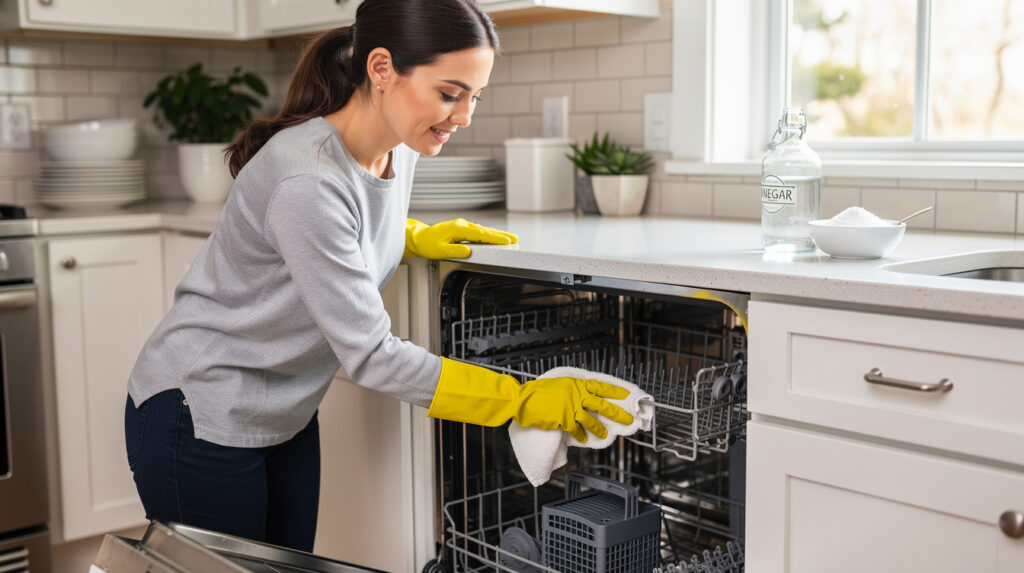
A foul odor coming from your dishwasher is one of those household problems that catches you off guard—especially when you open the door and get hit with a blast of musty, rotten smell. If your dishwasher smells bad, you’re definitely not alone. This is one of the most common complaints we hear from homeowners across Vancouver, Burnaby, and the surrounding areas. The good news is that understanding why your dishwasher smells bad is the first step toward fixing the problem, and in many cases, you can eliminate the odor without calling in a repair specialist.
The smell coming from your dishwasher isn’t just unpleasant—it’s also a sign that something isn’t working the way it should be. Food particles, grease, and soap buildup can accumulate inside your machine, creating the perfect environment for bacteria and mold to thrive. When you ignore a smelly dishwasher, the problem only gets worse, and you risk spreading odors to your clean dishes. Let’s explore the common causes of dishwasher odor and the most effective solutions to get your appliance smelling fresh again.
The Science Behind Dishwasher Smells
Understanding why your dishwasher smells bad requires a bit of knowledge about what happens inside the machine during a wash cycle. Your dishwasher is designed to spray hot water and detergent to clean dishes, but it’s also a moist, warm environment—ideal conditions for bacterial growth and mold development.
The primary culprit behind bad dishwasher odors is typically a buildup of food debris trapped in the filter basket, spray arms, and interior walls. Each time you run the dishwasher, tiny particles of food escape the scraping process and get caught in crevices. Over time, these particles decompose and create that unmistakable rotten smell. Additionally, grease can coat the interior, trapping bacteria and creating a breeding ground for unpleasant odors.
Soap residue also plays a role. Modern dishwashers use less water than older models, which means detergent doesn’t rinse away as thoroughly. This residue can combine with food particles and grease to form a biofilm—a slimy coating that harbors odor-causing bacteria. If your dishwasher smells bad even after running a cycle, biofilm buildup is often the reason.
Common Causes of Dishwasher Odor
Food Debris and Residue
The most obvious cause of a smelly dishwasher is leftover food. While your dishwasher is equipped with a filter to catch large particles, small bits of food can still escape and accumulate in hard-to-reach areas. This is especially true if you’re not rinsing dishes before loading them into the machine. Over time, this organic matter ferments and creates that sour, rotten smell.
To prevent this, make it a habit to scrape off larger food scraps into the trash before loading your dishes. You don’t need to rinse dishes thoroughly—modern detergents are designed to work on food residue—but removing large chunks makes a significant difference.
Clogged or Dirty Filter
Most dishwashers have a filter basket at the bottom that catches food particles and debris. If this filter becomes clogged with food, grease, and mineral deposits, it restricts water flow and traps organic matter, creating an ideal environment for odor-causing bacteria. A clogged filter is one of the most common reasons your dishwasher smells bad.
Cleaning the filter regularly is essential. Most filters can be removed by twisting or unclipping the basket at the bottom of the machine. Rinse it under hot water, scrub away any stuck-on debris with a soft brush, and replace it. Do this once a week or more frequently if you use your dishwasher daily.
Stagnant Water Trapped Inside
Sometimes water gets trapped inside your dishwasher during the drain cycle, especially if the drain hose is kinked or clogged. This stagnant water sits in the machine between cycles and becomes a perfect breeding ground for bacteria and mold, which is why your dishwasher smells bad. The drain pump may also have buildup that prevents water from draining completely.
Check the drain hose connections at the back of your dishwasher to ensure nothing is kinked or pinched. If water is pooling at the bottom of the tub, the drain system may need professional attention.
Mold and Mildew Growth
The rubber seals and gaskets around your dishwasher door are prone to mold and mildew growth because they stay moist between cycles. When mold grows in these areas, it releases spores that create a musty smell. Your dishwasher smells bad not because of food decay, but because of fungal growth that’s developing in plain sight along the door seal.
Wipe down the rubber seals with a damp cloth after each load, especially if you live in a humid climate like coastal British Columbia. White vinegar is particularly effective at killing mold spores.
How to Eliminate Dishwasher Odor: Step-by-Step Solutions
The Vinegar Deep Clean Method
White vinegar is one of the most effective and natural solutions for eliminating dishwasher odor. The acidity in vinegar cuts through grease, dissolves mineral deposits, kills bacteria, and neutralizes bad smells all at once. Here’s how to use it:
- Remove the filter basket and clean it thoroughly under hot water
- Place a bowl filled with white vinegar (about 2 cups) on the upper rack of your empty dishwasher
- Run the dishwasher on the hottest water setting for a full cycle
- After the cycle completes, sprinkle baking soda on the bottom of the tub and run another hot water cycle
- Leave the door open for several hours to allow air to circulate
This combination of vinegar and baking soda is incredibly effective at neutralizing odors and shouldn’t damage any part of your dishwasher. Most people notice a significant improvement after just one treatment.
Cleaning the Spray Arms and Nozzles
Food particles and mineral deposits can clog the tiny nozzles on your dishwasher’s spray arms, reducing water pressure and creating dead zones where water doesn’t reach. These areas become hotspots for bacterial growth. To clean them:
- Locate the spray arms (usually there’s one on the bottom and one on the top)
- Remove them by twisting or unclipping (consult your manual for specific instructions)
- Use a toothpick or small wire to carefully clear each nozzle
- Soak the arms in hot vinegar for 15-20 minutes
- Rinse thoroughly and reinstall
This task takes only a few minutes but can dramatically improve how your dishwasher performs and eliminate the source of bad odors.
Drain Hose Inspection and Cleaning
The drain hose is where water and debris flow out of your dishwasher. If it becomes clogged, water backs up into the tub, creating stagnant conditions. Check behind your dishwasher where the drain hose connects to your sink drain or garbage disposal. Make sure it’s not kinked, pinched, or coated with grease. If it’s dirty, you may be able to flush it with hot water from a garden hose (after disconnecting it safely).
Running a Maintenance Cycle
Most modern dishwashers have a self-cleaning or maintenance cycle. Check your manual to see if your machine has this feature. If it does, run it once monthly to keep the interior clean and odor-free. These cycles are specifically designed to flush out debris and keep internal components functioning properly.
Preventing Dishwasher Odor in the Future
Once you’ve eliminated the current odor, prevention is key. Here are practical habits that will keep your dishwasher smelling fresh:
- Clean the filter basket at least once a week
- Wipe the rubber door seals monthly to prevent mold growth
- Run a vinegar cycle once a month as preventative maintenance
- Leave the door cracked open between cycles to allow moisture to evaporate
- Don’t overload the dishwasher, which restricts water circulation
- Scrape large food pieces off dishes before loading
- Use the rinse cycle if you’re not running the dishwasher immediately
These simple habits take just a few minutes per month and will keep your dishwasher running efficiently without unpleasant odors.
When to Call a Professional
If you’ve tried these solutions and your dishwasher still smells bad, there may be a deeper issue. Problems with the drain pump, internal blockages, or failing components require professional diagnosis. If you’re in Vancouver, Burnaby, Coquitlam, or the surrounding areas, Tech Angels offers professional dishwasher repair services that can quickly identify and fix the underlying cause.
Additionally, if you’re experiencing other dishwasher problems alongside the odor—such as poor drying performance (check out our guide on dishwasher drying tricks) or drainage issues—a professional technician can address everything in one visit.
Your Fresh-Smelling Dishwasher Awaits
A smelly dishwasher is a fixable problem. In most cases, simple maintenance and regular cleaning with vinegar and baking soda will eliminate the odor completely. By understanding what causes bad smells in your dishwasher and implementing preventive measures, you can keep your appliance fresh and hygienic for years to come.
Remember that your dishwasher works hard every day to clean your dishes. Giving it a little regular attention—just like any other appliance in your home—ensures it continues to perform at its best. If you ever need professional help, don’t hesitate to reach out. Call Tech Angels at (604) 265-3565 or visit us online to schedule a service appointment.
Professional Maintenance Tips for Dishwashers
While regular DIY maintenance is important, professional service can help you avoid costly repairs down the road. Tech Angels, our trusted local appliance experts serving the Vancouver and surrounding areas, recommends scheduling a professional inspection annually to ensure your dishwasher is running efficiently and safely.
Professional technicians can perform deep cleaning of internal components that aren’t accessible with standard cleaning methods. They can identify early signs of wear or damage before they become serious problems. If you notice persistent odors even after thorough cleaning, a professional inspection might reveal issues like a damaged filter seal or mold growth in the drain system.
Enzyme-Based Cleaners for Tough Buildup
Beyond baking soda and vinegar, enzyme-based dishwasher cleaners can be incredibly effective at breaking down stubborn food residue and grease. These cleaners use natural enzymes to digest organic material without harsh chemicals. Run a cycle with an enzyme cleaner monthly for preventive maintenance, especially if you frequently have leftover food on dishes before loading.
Regular Filter Replacement Schedule
Many homeowners don’t realize that dishwasher filters need periodic replacement, not just cleaning. Depending on your model, filters may last anywhere from 1-3 years. Check your manufacturer’s recommendations and plan to replace your filter accordingly. A worn filter allows more debris to accumulate throughout the machine, increasing odor problems.
Advanced Troubleshooting for Persistent Smells
If you’ve tried all the standard solutions and your dishwasher still smells bad, there might be a deeper issue at play. Here are some advanced troubleshooting steps to help identify the problem.
Check the Spray Arms
The spray arms are critical components that distribute water throughout the wash cycle. If they’re clogged or damaged, water distribution becomes uneven, leaving pockets of stagnant water that breed bacteria and odors. Remove the spray arms and inspect the holes carefully. Use a small wire or toothpick to clear any blockages, then rinse thoroughly.
Inspect the Door Seals
The rubber seals around your dishwasher door trap moisture and food particles. Over time, these areas become breeding grounds for mold and mildew. Clean the seals weekly with a damp cloth, and check for cracks or deterioration. If the seals are damaged, moisture will leak out during cycles, and odors will persist no matter how clean the interior is.
Clean the Drain Hose
The drain hose removes water from your dishwasher during the drain cycle. If this hose becomes clogged with grease or food particles, standing water accumulates, creating powerful odors. Some homeowners report that their worst dishwasher smells actually come from a blocked drain hose rather than the interior. Disconnect the hose (turn off the water supply first) and use a plumbing snake or high-pressure water to clear blockages.
Vancouver-Area Solutions and Local Resources
If you’re in the Vancouver, Burnaby, or surrounding areas and your dishwasher continues to have odor issues despite your best efforts, professional help is just a call away. Tech Angels specializes in diagnosing and fixing appliance problems that homeowners can’t solve alone. Our technicians have experience with all major brands and models, and we can often resolve dishwasher smells with targeted repairs or component replacements.
Common professional repairs for persistent odor issues include drain line cleaning, pump replacement, and filter system repairs. In some cases, if your dishwasher is older and the internal components are heavily corroded, replacement might be more economical than repair. Our experts can help you evaluate whether it’s time to fix or replace your appliance.
When to Replace vs. Repair Your Dishwasher
Most dishwashers last 7-10 years with proper maintenance. If your dishwasher is nearing the end of its life and you’re experiencing persistent odor issues, it might be a sign that internal components are failing. Symptoms that indicate replacement might be necessary include:
- Rust or corrosion visible inside the tub
- Odors that don’t respond to any cleaning method
- Frequent leaks or drainage problems
- Cracks in the interior plastic or metal surfaces
Modern dishwashers are more energy-efficient and water-efficient than older models, so upgrading might actually save you money on utility bills in the long run. If you’re unsure whether repair or replacement is the right choice, Tech Angels can help assess your situation and recommend the most cost-effective solution.
Related Articles
Explore more appliance care tips from the Tech Angels blog: