Understanding Why Your Dryer Leaves Clothes Wrinkled
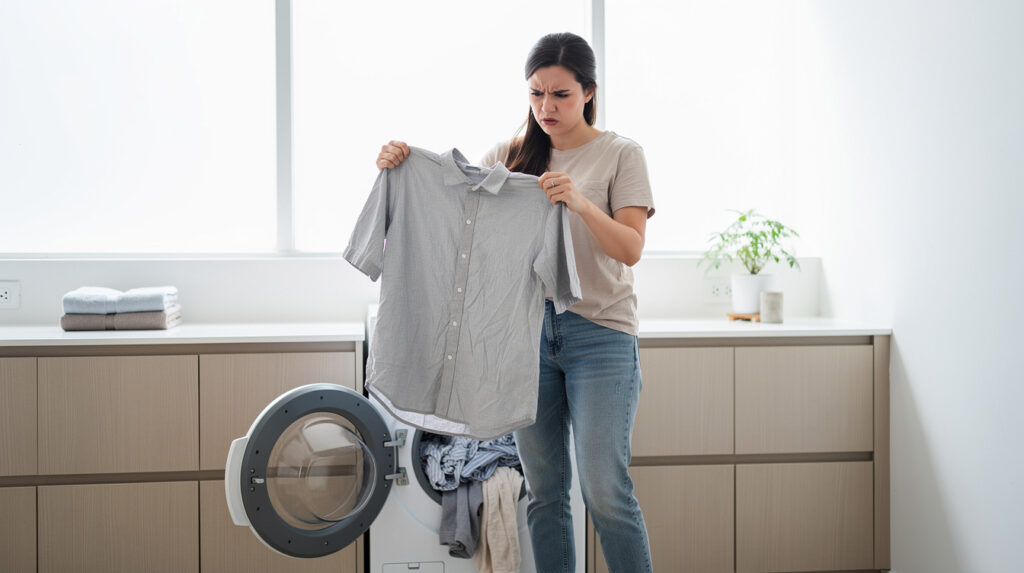
There is nothing worse than pulling clothes from the dryer only to find them full of wrinkles, nearly as wrinkled as when they went in. You would think a dryer that tumbles clothes in hot air would leave them smooth and ready to wear, but many Vancouver homeowners struggle with this exact problem. The frustration leads many people to assume their dryer is broken when, in reality, several fixable factors might be causing wrinkled laundry that makes your household chores more difficult and time-consuming.
Understanding why your dryer leaves clothes wrinkled is the first step toward solving the problem. Sometimes it is a machine issue, sometimes it is a usage issue, and sometimes it is actually a combination of both. Let us explore the most common causes so you can get your clothes coming out of the dryer smooth and ready to wear without additional ironing.
The average household spends significant time managing wrinkles after laundry. If your dryer is leaving clothes wrinkled, you are spending extra time ironing clothes that should be wrinkle-free. This is frustrating, energy-intensive, and indicates something needs to be addressed with your drying process or equipment.
Overloading the Dryer: The Most Common Cause
The number one reason your dryer leaves clothes wrinkled is overloading. When you cram too many clothes into the dryer drum, they cannot tumble freely. Instead of being tossed and exposed to heat evenly, clothes bunch up in wrinkled masses that never get properly dried or wrinkle-released. Overloading is the single most common mistake that Vancouver households make with their dryers.
Every dryer has a capacity limit. Filling the drum beyond roughly 75 percent capacity significantly reduces its effectiveness at drying and wrinkle prevention. The clothes in the center of the mass stay cool and damp while outer clothes potentially over-dry. Neither situation is good for wrinkles or fabric preservation. Your dryer is designed to work with a specific volume of fabric to function properly.
The physics is straightforward—a dryer works by circulating hot air around and through clothes. When clothes are packed too tightly, air cannot circulate effectively. Some areas stay damp while others become over-dried and more prone to wrinkling. The drum also cannot tumble clothes properly when they are packed too tightly together.
How Much Is Too Much?
A good rule of thumb is to fill your dryer to about two-thirds capacity maximum. You should be able to place your hand in the drum and feel significant empty space even after loading. If you have to push clothes down to close the door, you have overloaded it significantly.
It might require two dryer cycles instead of one, but you will get significantly better results with smaller loads. Smaller, lighter loads dry faster, tumble more freely, and come out far less wrinkled. Vancouver families with busy schedules often pack dryers too full to speed up laundry day, but this strategy backfires with wrinkled results that require additional work.
Incorrect Heat Settings: Understanding Your Dryer’s Options
Using the wrong heat setting is another major cause of wrinkled clothes. Many people do not realize that dryer heat settings dramatically affect wrinkle formation and fabric condition. The relationship between heat and wrinkles is more complex than many people understand.
High Heat vs. Medium Heat vs. Low Heat
High heat: Dries clothes fastest but can cause over-drying and set wrinkles permanently into fabrics. High heat also damages delicate fabrics and shortens appliance lifespan by stressing components. Most clothing benefits from lower heat settings that are still effective but gentler.
Medium heat: The best all-purpose setting for most loads. It provides adequate drying while reducing over-drying and wrinkles. Most household laundry dries effectively on medium heat without the damage risks of high heat.
Low heat: Essential for delicate fabrics, but takes longer to dry clothes completely. Low heat does not set wrinkles as readily, which is why clothes dried on low heat typically look smoother. This is especially good for items prone to wrinkling like cottons and linens.
Using Your Dryer’s Sensor Function
Modern dryers include moisture sensors that automatically shut off when clothes reach appropriate moisture levels. If your dryer has this feature, use it consistently. Sensor drying prevents over-drying, reduces wrinkles, and saves energy. However, sensor settings work best on medium heat—high heat can trick sensors while clothes still contain moisture, causing incomplete drying.
Leaving Clothes in the Dryer Too Long After Drying Stops
Here is something many people do not realize: clothes get wrinkled after they are dry if you leave them sitting in the dryer. This is actually a major source of wrinkles for many households. Once clothes are dry, additional tumbling and sitting create and set wrinkles that require ironing later. Leaving dry clothes in a still dryer allows wrinkles to set as fabric cools.
The moment the drying cycle ends, you should remove clothes immediately if possible. If you cannot remove them right away, use a time-delay feature or dryer’s anti-wrinkle tumbling (available on many modern dryers). This low-heat tumbling after the drying cycle helps shake out wrinkles until you can remove clothes and fold them properly.
The Cooling-Down Period
Clothes are most prone to wrinkling while warm. The fibers are more flexible when hot, so wrinkles form easily in warm fabrics. Once clothes cool completely, wrinkles become more set and permanent. This is why removing clothes while still warm helps prevent wrinkles. If you must delay removal, at least avoid additional heat that sets wrinkles in place permanently. Set a phone reminder to move laundry immediately after cycles end.
Broken or Worn Dryer Components Causing Wrinkles
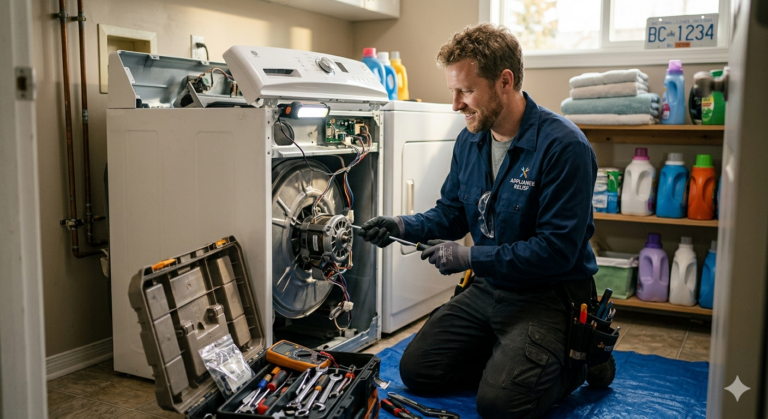
Sometimes wrinkled clothes indicate an actual appliance problem requiring professional service. Several mechanical issues can cause your dryer to leave clothes wrinkled or damp.
Worn Drum Felt Seal
Your dryer’s drum rotates on a felt seal that reduces friction and allows smooth operation. When this seal wears out, the drum cannot rotate smoothly anymore. Instead of the smooth tumbling action that should release wrinkles, clothes experience jerky, inconsistent movement. This aggravates wrinkling rather than preventing it. A worn seal can also cause increased friction that generates excessive heat.
A worn drum felt seal also causes squeaking sounds during the drying cycle that become more pronounced over time. If your dryer both squeaks and produces wrinkled clothes, the drum felt seal is likely the problem. This is a component that typically needs professional replacement.
Clogged Lint Filter Reducing Air Circulation
A clogged lint filter is the number one maintenance issue affecting dryer performance. When lint accumulates in the filter, it restricts hot air circulation significantly. Clothes dry slower and less evenly, increasing wrinkle formation. More importantly, a clogged filter can damage your dryer and create fire hazards that endanger your home.
You should clean the lint filter before every single load without exception. Yes, before every single load. This single maintenance step dramatically improves drying efficiency and reduces wrinkles substantially. Failing to clean the lint trap is the most preventable cause of dryer problems in Vancouver homes.
Blocked Venting System
Beyond the lint filter, lint can accumulate in your dryer’s vent system over time. If the exhaust vent becomes partially blocked, hot air cannot escape effectively, reducing the dryer’s ability to remove moisture. This results in damp, wrinkled clothes even after long drying cycles. A blocked vent also causes the dryer to overheat and work harder.
Professional vent cleaning should occur at least once yearly, more often if you notice drying efficiency declining. A clogged dryer vent also dramatically increases fire risk. Many house fires start in dryer vents blocked by lint accumulation. This maintenance task is critical for both safety and performance.
Heating Element Failure
If your dryer tumbles but does not produce heat, the heating element might be failing. Clothes will not dry properly, staying damp and heavily wrinkled. If your dryer runs but clothes come out cold and damp, the heating element needs professional service. This is not a user-fixable problem and requires professional diagnosis and replacement.
How Different Fabrics React to Heat and Wrinkles
Your fabrics play a significant role in how wrinkled they become. Different materials require different dryer approaches and heat settings for best results.
Natural Fibers
Cotton: Tolerates heat well and responds positively to medium heat drying. Cotton benefits from prompt removal from the dryer to prevent wrinkle setting. Cotton naturally resists some wrinkling but will wrinkle if left in the dryer after the cycle ends.
Linen: Wrinkles very easily and often performs better with low heat or air-dry cycles. Line drying or hanging-to-dry linen significantly reduces wrinkles compared to machine drying. Linen items should be removed while still slightly damp to minimize wrinkling.
Wool: Should not go in a standard dryer at all. Wool requires low-temperature or air-dry cycles to prevent shrinking and permanent damage. Wool items should be air-dried flat to maintain shape and prevent distortion.
Synthetic Blends
Polyester blends: Can tolerate medium heat but are prone to permanent wrinkles if overdried. Watch these items carefully to avoid heat damage. Polyester should usually be removed while slightly damp for best results.
Spandex blends: Require low heat to prevent damage to elastic fibers permanently. High heat can permanently degrade spandex functionality. Items with spandex should use low heat only and be removed promptly.
Delicate Items
Delicate fabrics like silk, satin, and fine knits should not go in the dryer at all. Air-dry these items or use a delicate air-only cycle if your dryer offers one. Hanging or laying these items flat while damp prevents most wrinkles naturally without heat exposure.
Using Dryer Balls and Anti-Static Solutions
Wool dryer balls are becoming increasingly popular for good reason. These tennis ball-sized spheres tumble with your clothes and help separate them during drying cycles. They are a smart addition to any drying routine.
How Dryer Balls Work
Dryer balls physically separate clothes so they do not bunch together. This improves air circulation and heat distribution significantly. Better tumbling action reduces wrinkling and often speeds up drying time. Dryer balls are reusable for years, making them cost-effective solutions compared to disposable dryer sheets.
Dryer Ball Tips
- Use 4-6 dryer balls per load for best results and maximum separation
- Essential in small dryers or when you accidentally overload
- Add essential oil drops to dryer balls for natural scent
- Can be left in the dryer permanently between loads
For Vancouver residents interested in eco-friendly solutions, wool dryer balls are infinitely better than single-use dryer sheets and reduce chemical exposure to your family significantly.
When Wrinkles Indicate a Serious Problem
While most wrinkles are annoying rather than dangerous, some situations warrant immediate professional attention from trained technicians.
Warning Signs That Your Dryer Needs Service
- Burning smell along with wrinkled clothes indicates electrical problems
- Excessively long drying times even on high heat suggests heating issues
- Clothes coming out damp regardless of cycle length and settings
- Loud grinding or squeaking noises during operation
- Visible damage inside the drum or exterior housing
- Sparks or arcing inside the dryer during operation
- Overheating during normal operation or hot exterior casing
Any of these situations indicate a mechanical problem requiring professional service. Do not ignore these signs—safety should always be your top priority in appliance operation.
Getting Perfectly Dry, Wrinkle-Free Clothes from Your Dryer
Let us summarize the best practices for preventing wrinkled clothes from your dryer and improving overall performance.
Best Practices for Smooth Laundry Results
- Reduce load size: Fill dryer to only 60-75 percent capacity maximum
- Use medium heat: Adequate for most fabrics and reduces wrinkles effectively
- Choose moisture sensor setting: If available on your dryer model
- Remove clothes immediately: As soon as the cycle ends without delay
- Clean lint filter: Before every single load without exception
- Check exhaust vent: Ensure clear airflow at least annually
- Consider dryer balls: Especially helpful for smaller dryers or heavy loads
- Fold or hang promptly: Do not let dried clothes sit in baskets
Fabric-Specific Strategies for Best Results
- Delicate items: Air-dry or use gentle or low-heat cycles only
- Wrinkle-prone fabrics: Remove while still slightly damp
- Heavy items: Use separate loads from lighter items for better results
- Mixed loads: Start with medium heat and monitor progress throughout
Professional Dryer Service When You Need It
If you have tried these solutions and your dryer still leaves clothes wrinkled, or if you are noticing warning signs like unusual noises or burning smells, Tech Angels can help quickly. Our Vancouver technicians specialize in dryer repair and maintenance. We can diagnose mechanical issues, clean venting systems, replace worn components, and get your dryer performing optimally again.
Sometimes the best solution is professional service. We will identify the exact cause of your wrinkled clothes and provide cost-effective repairs. With proper maintenance and operation, your dryer should produce smooth, dry laundry load after load. Contact Tech Angels to schedule a diagnostic appointment—we often can address problems on the same day you call.
Related Articles
Explore more appliance care tips from the Tech Angels blog: