When summer temperatures climb in Vancouver and across British Columbia, your refrigerator has to work harder than any other time of year. The warmer air in your home means the compressor cycles more frequently, energy bills creep up, and the risk of breakdowns increases. The good news is that a few simple maintenance steps can keep your fridge running smoothly all season long — saving you money and avoiding an emergency repair call during a heat wave.
In this guide, we will walk you through everything you need to know about keeping your refrigerator efficient when temperatures rise, from basic cleaning tasks to smart habits that reduce strain on the system.
How Summer Heat Affects Your Refrigerator
Your refrigerator works by removing heat from inside the cabinet and releasing it into the surrounding air. When your kitchen is already warm, the compressor has to run longer and harder to maintain the set temperature. This puts extra stress on the motor, condenser coils, and fan — all of which can wear down faster during prolonged heat spells.
During a typical summer day, your fridge may run 20 to 30 percent more than it does in cooler months. That translates directly into higher energy consumption and accelerated wear on key components. Understanding this cycle is the first step toward preventing problems before they start.
Clean the Condenser Coils
The condenser coils are where your refrigerator releases the heat it pulls from inside. Over time, dust, pet hair, and debris accumulate on these coils, acting like insulation and making it harder for the fridge to shed heat efficiently. In summer, dirty coils can be the difference between a fridge that runs normally and one that struggles to keep food cold.
To clean the coils, first unplug the refrigerator or turn off the breaker. On most models, the coils are located either behind the unit (accessible by pulling it away from the wall) or underneath behind a removable grille. Use a coil brush or vacuum attachment to gently remove the buildup. Aim to do this at least twice a year — once before summer and once before winter.
If you notice your refrigerator is running but not cooling properly, dirty condenser coils are one of the first things to check. A thorough cleaning often resolves the issue without any parts replacement.
Check and Adjust the Temperature Settings
The ideal refrigerator temperature is between 1°C and 4°C (34°F to 40°F), and the freezer should be at -18°C (0°F). During summer, resist the urge to crank the temperature down to the lowest setting. Setting it too cold forces the compressor to work overtime, wastes energy, and can actually freeze items in the fresh food section.
Instead, use a standalone appliance thermometer to verify the actual temperature inside your fridge. The built-in thermostat dial is often imprecise. Place the thermometer in the middle of the center shelf for the most accurate reading. If the temperature is consistently above 4°C, adjust the dial one notch at a time and wait 24 hours before checking again.
Inspect and Replace the Door Seal
The rubber gasket around your refrigerator door is your first line of defense against warm air infiltration. A worn, cracked, or loose seal allows warm kitchen air to seep into the cabinet continuously, forcing the compressor to work harder. During summer, even a small gap in the seal can significantly increase energy consumption.
Test your door seal with the dollar bill method: close the door on a dollar bill so it is half in and half out. If you can pull the bill out easily without resistance, the seal is not tight enough and should be replaced. Repeat this test at several points around the door, paying extra attention to the corners where seals tend to fail first.
If your fridge door seal is degrading, you may also notice unusual noises from your refrigerator as the compressor works overtime to compensate for the air leak.
Keep the Refrigerator Away from Heat Sources
Where your refrigerator sits in the kitchen matters more than most people realize. If your fridge is positioned next to the oven, dishwasher, or in direct sunlight from a window, it absorbs extra heat that makes cooling harder. During summer, these heat sources compound the already warm ambient temperature.
If you cannot relocate the fridge, consider these alternatives: use window coverings to block direct sunlight, avoid running the oven and dishwasher at the same time when possible, and make sure there is at least 5 centimeters (2 inches) of clearance on each side and behind the unit for proper airflow. Adequate ventilation around the refrigerator is essential for the condenser to dissipate heat effectively.
Avoid Overloading and Organize Strategically
A packed refrigerator restricts airflow between items, creating warm spots and forcing the compressor to work harder. On the other hand, a nearly empty fridge loses cold air quickly every time the door opens because there is less thermal mass inside to retain the chill.
The sweet spot is keeping your fridge about three-quarters full. Organize items so air can circulate freely — avoid blocking the vents that distribute cold air from the freezer to the fresh food compartment. Store frequently accessed items near the front so you can grab them quickly and close the door faster.
During summer barbecue season, it is tempting to stuff the fridge with drinks and party platters. If you know you will need extra cold storage, consider filling a cooler with ice for beverages rather than overloading the refrigerator.
Minimize Door Opening Time
Every time you open the refrigerator door, cold air rushes out and warm air rushes in. The compressor then has to work to bring the temperature back down. In summer, the temperature difference between the kitchen air and the fridge interior is greater, which means each door opening has a bigger impact.
Get into the habit of knowing what you need before you open the door. Avoid standing in front of an open fridge deciding what to eat. When putting groceries away, group items on the counter first and load them all at once rather than making multiple trips.
Ensure Proper Ventilation Behind the Unit
Your refrigerator needs space to breathe. The condenser fan pulls air across the coils to dissipate heat, and if the space behind or underneath the unit is cramped, that hot air gets trapped and recycled. This is especially problematic in summer when the air is already warm.
Pull the refrigerator out and check that nothing has fallen behind it — grocery bags, paper towels, and other items can block airflow without you realizing it. Make sure the condenser fan is spinning freely and not obstructed by debris. A fan that cannot move air efficiently is a common cause of overheating.
Check the Evaporator Fan and Defrost System
The evaporator fan circulates cold air throughout the refrigerator and freezer compartments. If this fan fails or slows down, you will notice uneven cooling — the freezer might stay cold while the fresh food section warms up. Listen for the fan when you open the freezer door. On most models, it should start running within a few seconds of the door closing.
The automatic defrost system also plays a critical role in summer efficiency. If the defrost heater, timer, or thermostat malfunctions, frost builds up on the evaporator coils and blocks airflow. You might see ice forming on the back wall of the freezer or notice that food is not staying as cold as it should. If you suspect a defrost issue, check out our guide on common refrigerator mistakes that lead to costly repairs.
Monitor Your Energy Usage
If your electricity bill spikes noticeably during summer, your refrigerator could be a major contributor. Modern smart meters and plug-in energy monitors make it easy to track exactly how much power your fridge is drawing. A typical refrigerator uses between 100 and 400 watts, but an inefficient unit or one with maintenance issues can use significantly more.
If your refrigerator is more than 10 to 15 years old and consuming excessive energy, it may be time to weigh the cost of ongoing repairs against investing in a newer, more efficient model. Energy-efficient refrigerators can reduce electricity consumption by 40 percent or more compared to older units.
Keep the Interior Clean
A clean refrigerator interior is not just about hygiene — it also affects performance. Spills and food residue can block drain holes, leading to water buildup and ice formation. Expired items take up space that could be used for proper air circulation.
At least once a month during summer, remove everything from the fridge, wipe down all shelves and drawers with a mixture of warm water and baking soda, and check for any expired or forgotten items. Pay special attention to the drain hole, usually located at the bottom of the back wall inside the fresh food section. If it is clogged, use a pipe cleaner or a small amount of warm water to clear it.
When to Call a Professional
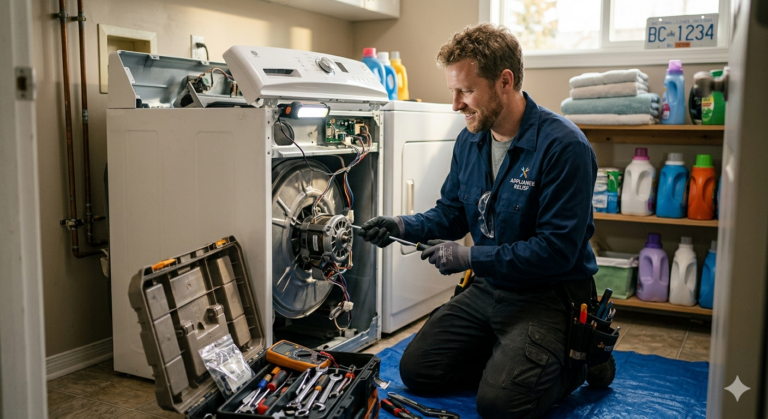
Some refrigerator issues are beyond the scope of basic maintenance. If you have cleaned the coils, checked the seals, verified the temperature settings, and your fridge is still struggling to keep food cold during summer, it may be time to call in a professional technician.
Signs that warrant a professional diagnosis include a compressor that runs continuously without cycling off, unusual clicking or buzzing sounds, water pooling under the unit, or frost building up rapidly in the freezer. These symptoms often indicate a failing compressor, a refrigerant leak, or a defective control board — all of which require specialized tools and expertise to repair safely.
At Tech Angels, we repair all major refrigerator brands across Vancouver and the Lower Mainland. Whether your fridge just needs a new seal or has a more complex issue, our technicians can diagnose the problem quickly and get your appliance back to peak performance before the summer heat takes a toll on your food.
Quick Summer Refrigerator Tips
- Clean condenser coils at the start of summer and again in fall
- Keep the temperature between 1°C and 4°C — do not set it colder than necessary
- Test the door seal with the dollar bill method and replace if worn
- Maintain 5 cm clearance on all sides for proper ventilation
- Keep the fridge about three-quarters full for optimal efficiency
- Minimize door opening time, especially during heat waves
- Use a standalone thermometer to verify actual interior temperature
- Listen for the evaporator fan and watch for frost buildup
- Consider an energy monitor to track consumption
- Schedule professional maintenance if basic steps do not improve performance
Taking a little time now to prepare your refrigerator for summer can save you from a costly breakdown when you need cold storage the most. Most of these tasks take less than 30 minutes and require no special tools. And if you do run into a problem that is beyond a quick fix, do not wait — addressing it early is always cheaper than letting it get worse.
Prepare for Power Outages During Summer Storms
Summer in Vancouver can bring unexpected storms and power outages, and knowing what to do can protect the food in your refrigerator. A fully stocked fridge will keep food safely cold for about four hours during a power outage, as long as the door stays closed. A full freezer will maintain its temperature for approximately 48 hours if it remains sealed.
Before storm season arrives, freeze several water bottles and keep them in any available freezer space. They serve double duty — helping the freezer maintain temperature during an outage and providing cold drinking water as they thaw. If the power goes out, resist the urge to check on your food repeatedly. Every time you open the door, you let in warm air and reduce the safe storage time significantly.
If you experience a power outage lasting more than four hours, check the temperature of perishable items before consuming them. Any refrigerated food that has been above 4°C for more than two hours should be discarded to avoid foodborne illness. Having a battery-powered thermometer inside the fridge makes this assessment quick and easy.